Law Panelists Note Progress in Racehorse Drug Reform
Panelists said public perception is based on biased representation by press and industry organizations.

Panelists said public perception is based on biased representation by press and industry organizations.

Of the 703 voters, 484 (69%) indicated they never have their horses’ joints injected
The Rescuing Racers Initiative aids in the rescue and rehabilitation of retired racehorses.

The Jockey Club recommended that all U.S. racing jurisdictions pledge to adopt a uniform medication program.
The genetic integrity of North American-bred horses doesn’t seem to have been affected by race-day medication.

The Jockey Club will provide funds to some racing jurisdictions to step up out-of-competition drug testing.

Itsmyluckyday, who suffered a fractured Ilium in June, is recovering well, trainer Eddie Plesa Jr. said.
Results from the 2012 Kentucky Equine Survey show that one in three horses are used for trail riding.

Research shows that many radiographic findings in weanlings can change–usually for the better–within a year.

Dr. Chris Sanchez of the University of Florida describes how pain affects conception rates in other species and how this research might be applied to horses.
The blood test is designed to alert veterinarians to equine health concerns before clinical signs develop.
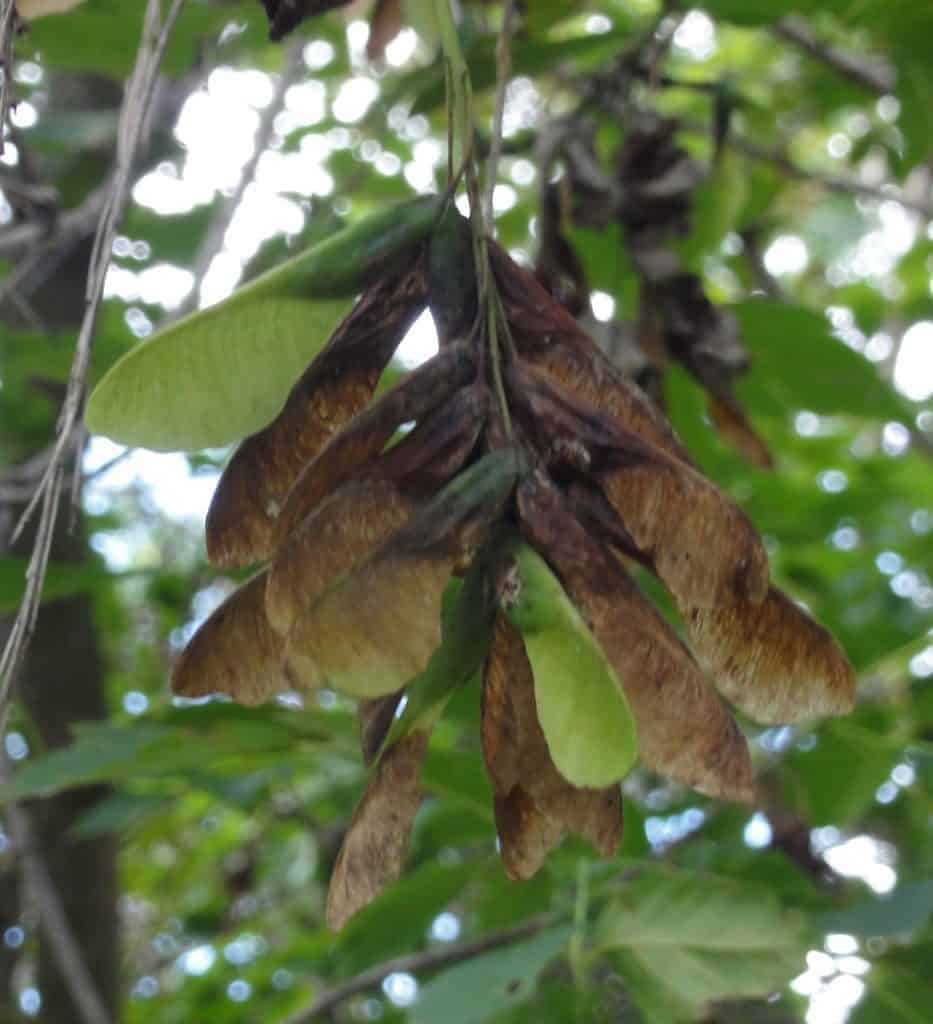
Researchers weed out the causes of deadly seasonal pasture myopathy and atypical myopathy in horses.
The BHA concluded its investigation into “Sungate,” a veterinary product which contains an anabolic steroid.
Proceeds go directly to the care and training of ex-racehorses that have been donated to CANTER Mid-Atlantic.
What could a recent Texas ruling about registering horse-clones with the AQHA mean for Thoroughbred breeders?
Eric Mitchell, editor-in-chief of The Blood-Horse, shares his thoughts on racehorse welfare issues.