Study: Most Horses Go Back to Work After Colic Surgery
In a long-term study, researchers showed that 92.5% of horses discharged had returned to work four to eight years after surgery.

In a long-term study, researchers showed that 92.5% of horses discharged had returned to work four to eight years after surgery.

Balanced nutrition and exercise can help horses with type-1 PSSM lead active, healthy lives.

Follow our exclusive health-care related articles and content about the 2017 Rolex Kentucky Three-Day Event.

Our staff and sources offer ways you can save time during feeding time.

Researchers found that many radiographic abnormalities resolve by the time weanlings return to the auction as yearlings.

Panelists presented scientific data on eventing risk management, endurance risk factors, and bone fatigue.

Vets can use MRI to help diagnose injuries, select treatments, monitor healing progress, and determine prognosis.

How young horses are fed and housed can impact how osteochondral lesions evolve, and even help them heal.
Lecture topics will include performance-limiting upper airway issues, infectious respiratory diseases, EIPH, and more.
All cases involve the use of substances banned under the FEI’s Equine Anti-Doping and Controlled Medication Regulations.
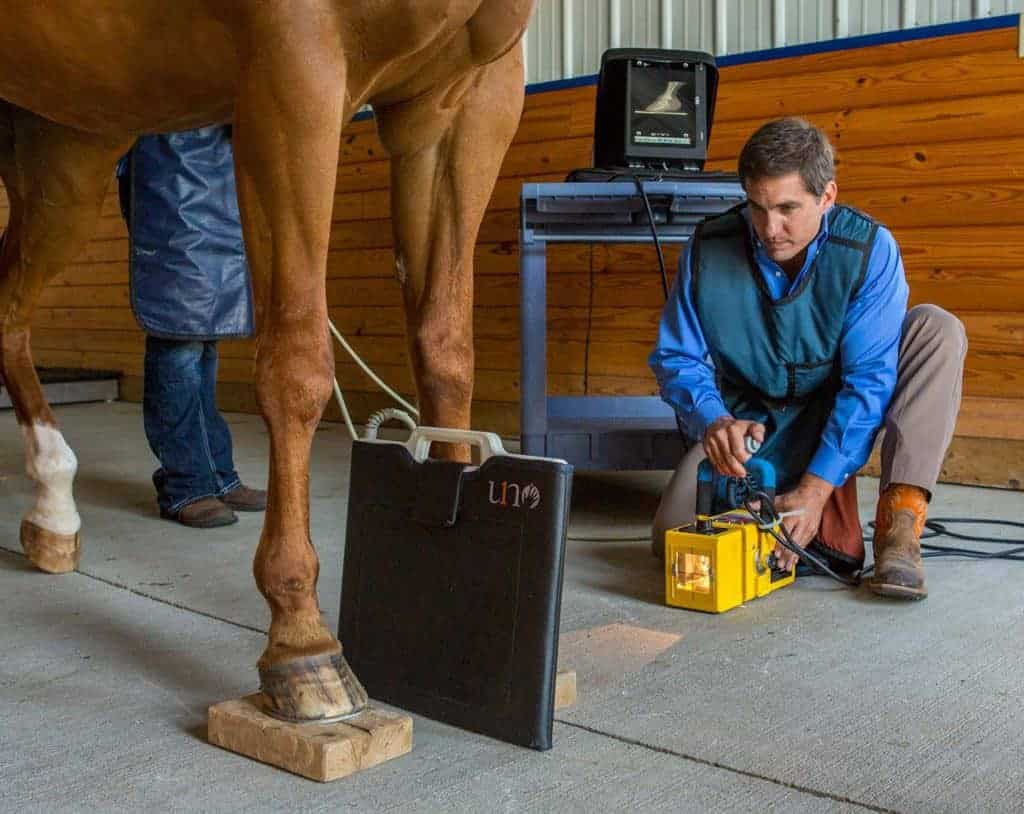
Many of the abnormalities researchers evaluated in weanling X rays improve by the time the horse was a yearling.

The two organizations will work together on risk management initiatives for eventing and endurance.

Find tips on handling bacterial pleuropneumonia, pneumothorax and hemothorax, rib fractures, and ARDS in foals.

Measures cover arrival times, veterinary treatments and records, out-of-competition drug testing, and more.
Congressman Andy Barr introduced three pieces of legislation aimed at benefiting the breeding and racing industries.
The International Forum for the Aftercare of Racehorses will hold its first conference May 17-18, in Washington, D.C.