New African Horse Sickness Diagnostic Test Developed
The new test takes just four hours to complete. Previous tests took up to two weeks.

The new test takes just four hours to complete. Previous tests took up to two weeks.

Performing a CT scan on a horse used to take nearly a dozen technicians, but the new table simplifies the process.

Follow Tess, a 16-year-old mare, step-by-step as she rehabs from a bought of PPID-related laminitis.

Researchers concluded that MRI can effectively show pituitary gland and pars intermedia size, as well as small details not readily visible on CT scans.

Obtaining an accurate diagnosis is key to managing pituitary pars intermedia dysfunction. Here are the pros and cons of PPID tests, old and new.

Learn the latest on diseases horses can get from ticks and why they continue to frustrate veterinarians and researchers.

Sonoelastography can help vets monitor healing and develop rehab programs best-suited for the horse’s recovery rate.

A custom-designed equine CT table and a commercial Big Bore scanner make it possible to image neck lesions in horses.

Researchers found that many radiographic abnormalities resolve by the time weanlings return to the auction as yearlings.

Vets can use MRI to help diagnose injuries, select treatments, monitor healing progress, and determine prognosis.
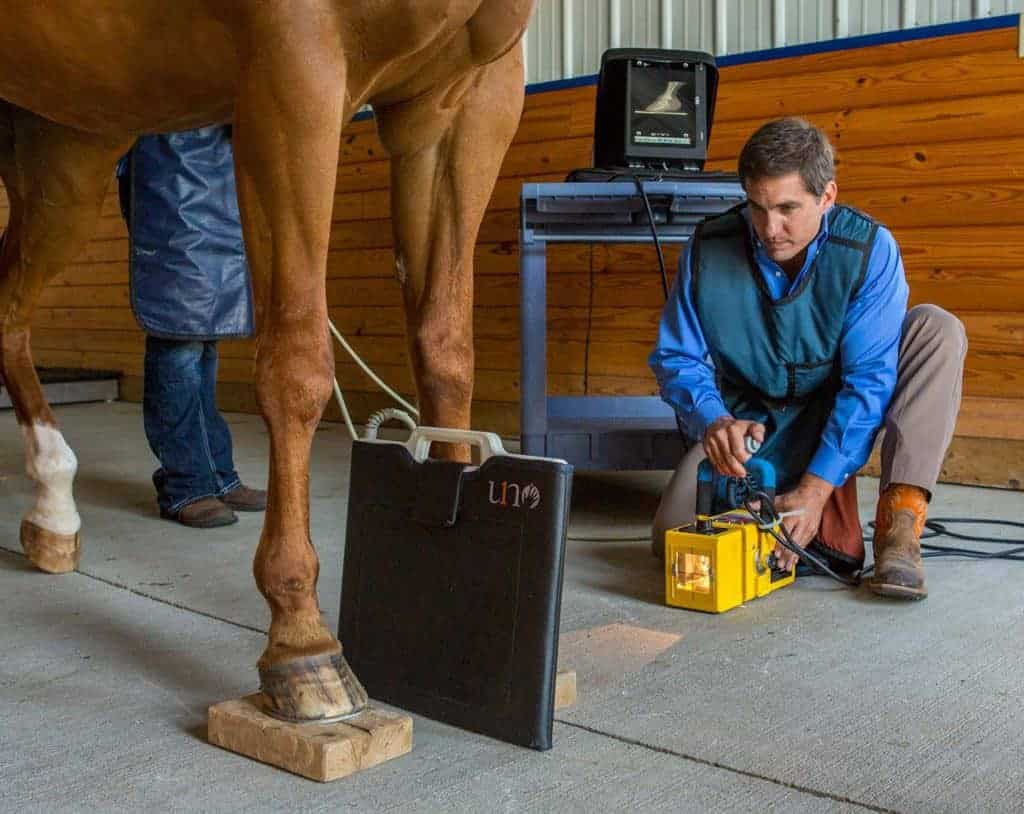
Many of the abnormalities researchers evaluated in weanling X rays improve by the time the horse was a yearling.

PET scans revealed lesions in bony and soft tissue, some of which weren’t visible on other imaging modalities.

Early diagnosis could allow vets to implement management strategies, such as restricted exercise, that promote healing.

Ultrasonography allowed researchers to detect subclinical lesions in young foals and implement treatment promptly.
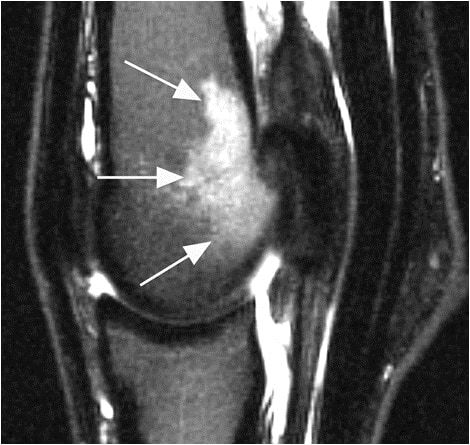
Vets use MRI to identify issues and prescribe targeted treatment to give the horse the best chance at returning to work.

Thermography is a noninvasive, safe, and cost-effective diagnostic imaging tool used in equine health care.






