UC Davis to Celebrate New Linear Accelerator with Free CE
The CE will be a part of the dedication ceremony for the new TrueBeam linear accelerator.

The CE will be a part of the dedication ceremony for the new TrueBeam linear accelerator.
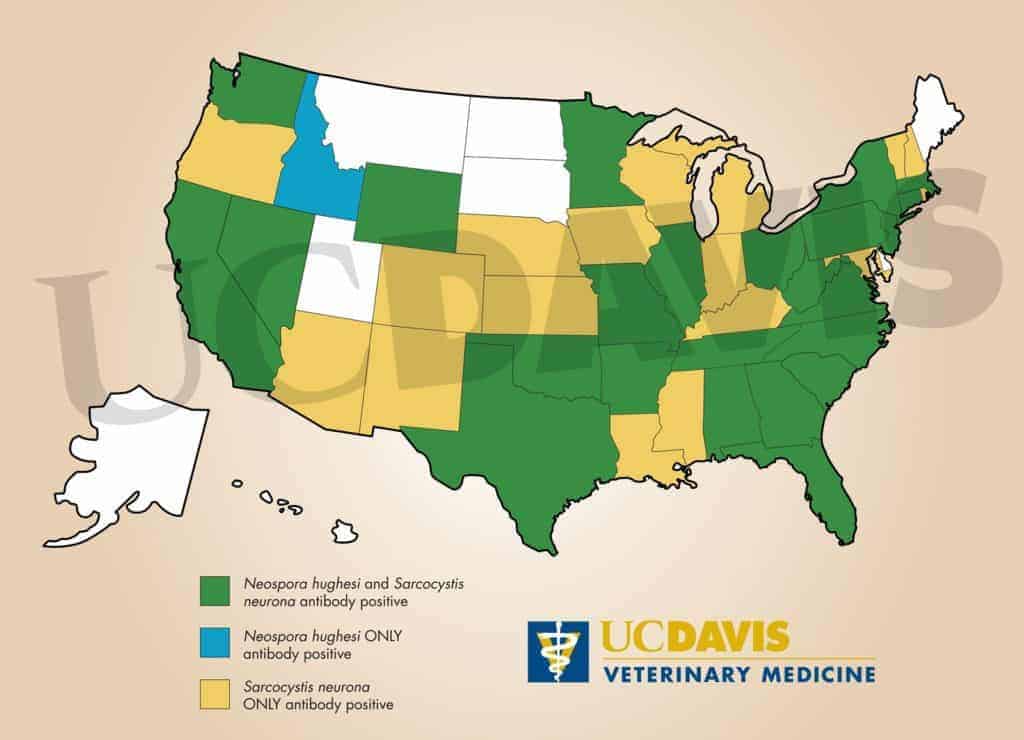
Researchers found that Neospora hughesi is being identified in horses across the United States.

Researchers believe variables such as breed and geographic location might impact horses’ blood test results.

Colors displayed by Doppler ultrasonography could help vets better follow tendonitis’ healing processes.
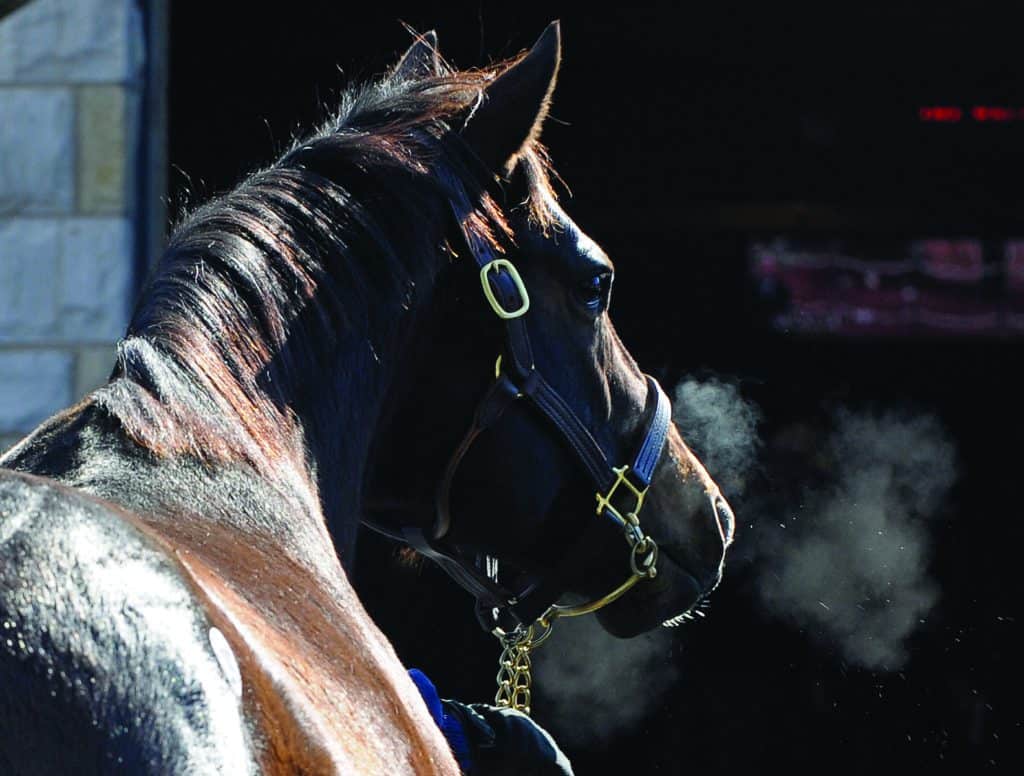
Dr. Gary Priest of Versailles, Ky., presents equine respiratory disease case studies identified via dynamic endoscopy.

Researchers used sensors to measure a horse’s movements and quantify limb movement outside a gait laboratory.
The position will fund Cheetham?s research into diagnosing and treating recurrent laryngeal paralysis.

The field protocol is designed to be low-risk, efficient, economical, and effective in identifying lesions.
The nuclear medicine unit will allow veterinarians perform state-of-the-art bone scans on horses.
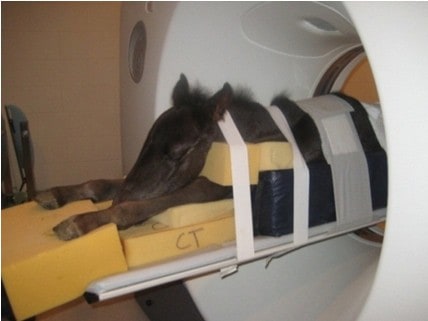
Veterinarians are taking a page from human medicine books by using CT to evaluate pulmonary disease in foals.

Moving air can have a significant effect on thermographic readings of horses’ front legs, researchers say.

Researchers tested Doppler ultrasonography to detect vasoconstriction due to endophytic alkaloid consumption.
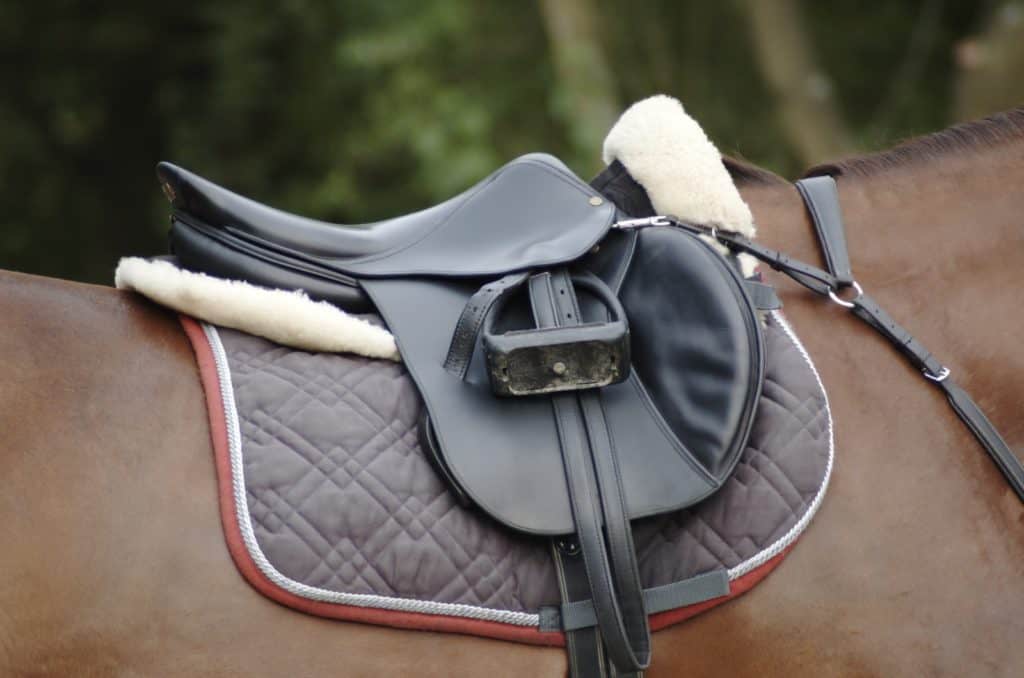
More than 50% of horses in a thermography study showed hot spots under saddles after 15 minutes of exercise.
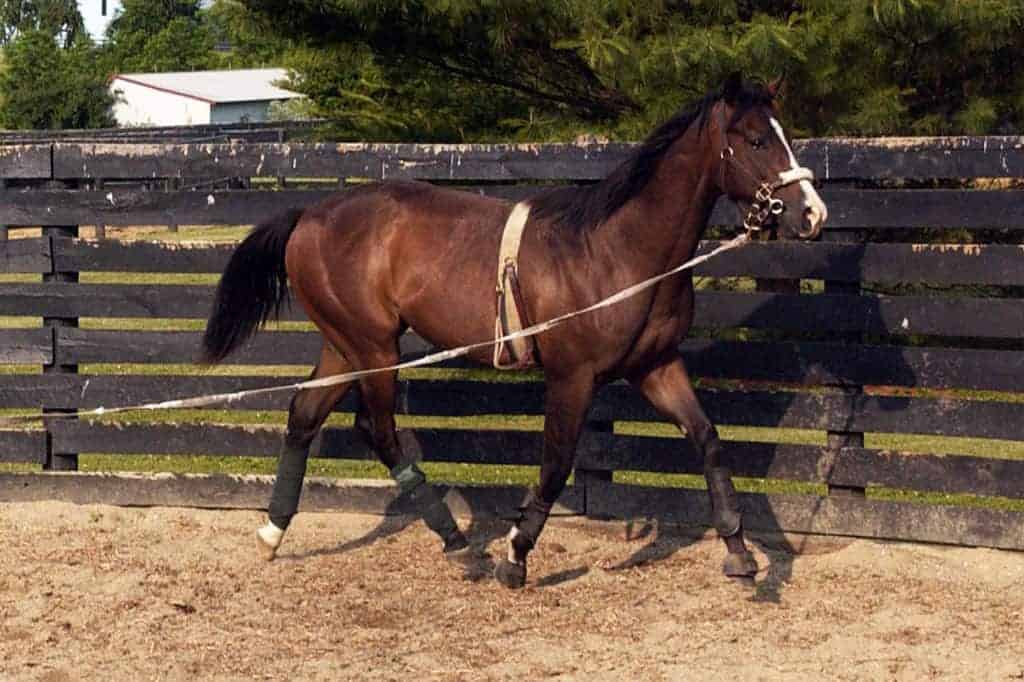
Vets evaluated the potential application of dynamic endoscopy when examining Thoroughbred yearlings.
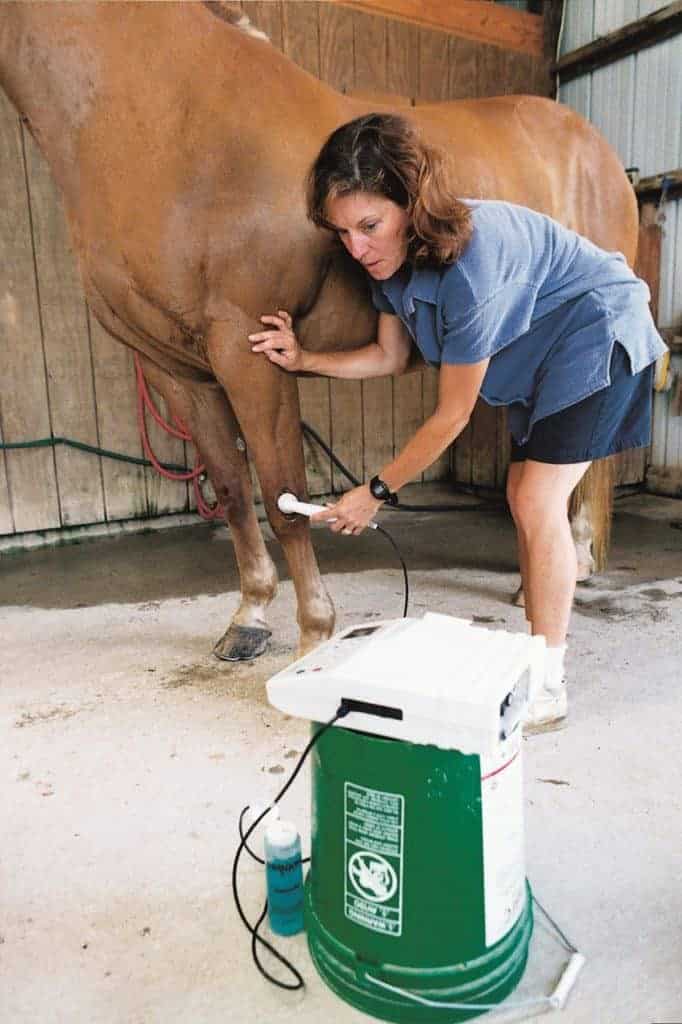
Researchers identified what ultrasound settings achieve adequate temperature increases to be therapeutic.

One vet said multiple abnormalities could contribute to hoof lameness, rather than just one problem.






