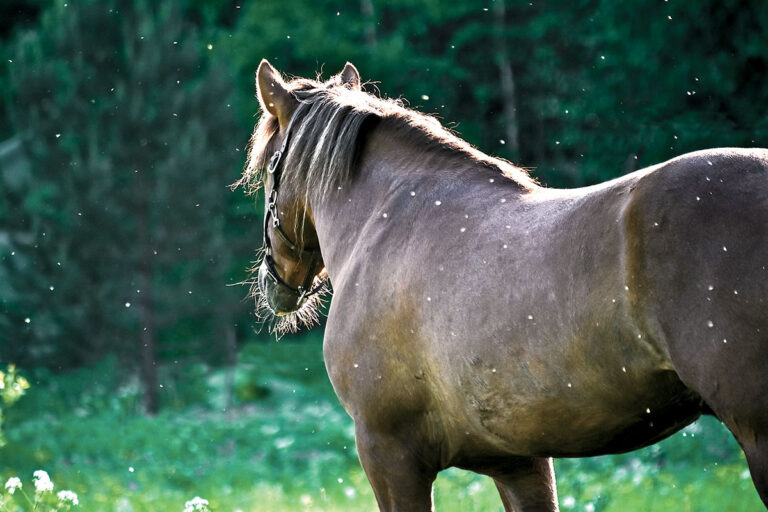
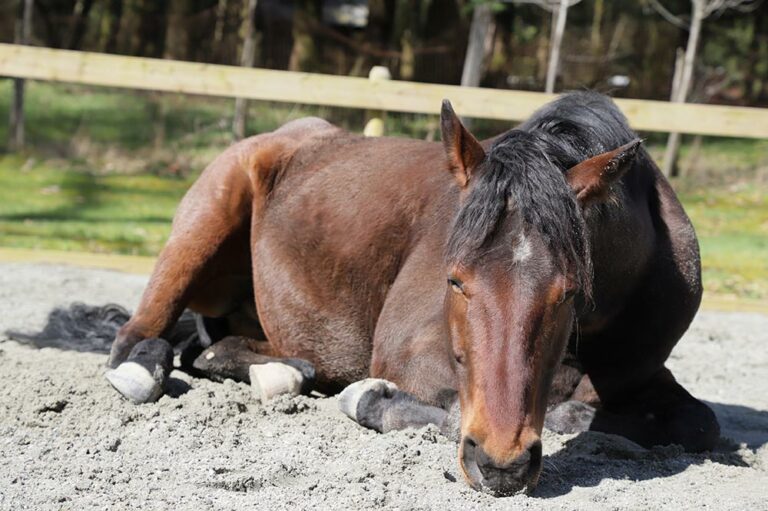
The Mysterious Fever of Unknown Origin
Fevers flag a health problem in horses, but what should you do when you can’t determine the cause? Here’s how veterinarians handle this frustrating problem.

Fevers flag a health problem in horses, but what should you do when you can’t determine the cause? Here’s how veterinarians handle this frustrating problem.

Dr. Holly Helbig and Dr. David Levine describe how they use SAA and other biomarkers to spot infection early, guide treatment, support biosecurity, and monitor horses in real time.

Genomic tools help breeders pair for performance and temperament while avoiding inherited health risks in the next generation of performance horses.
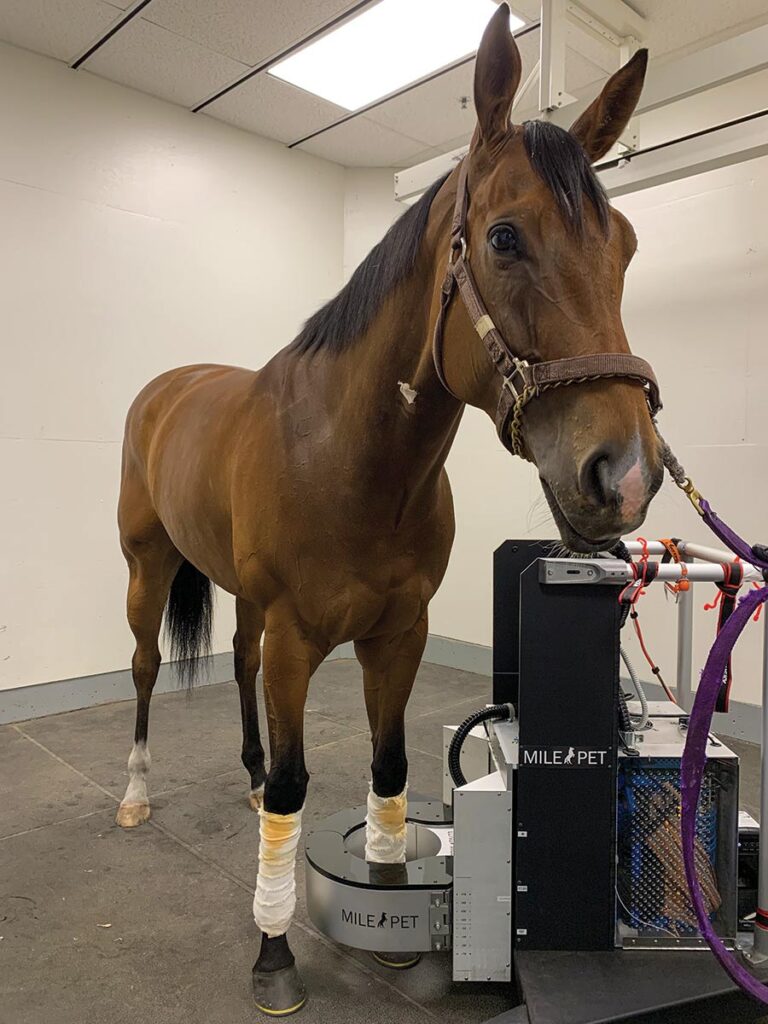
Positron emission tomography (PET) can reveal active processes other diagnostic modalities might miss. Learn more in the Winter 2025 issue of The Horse.
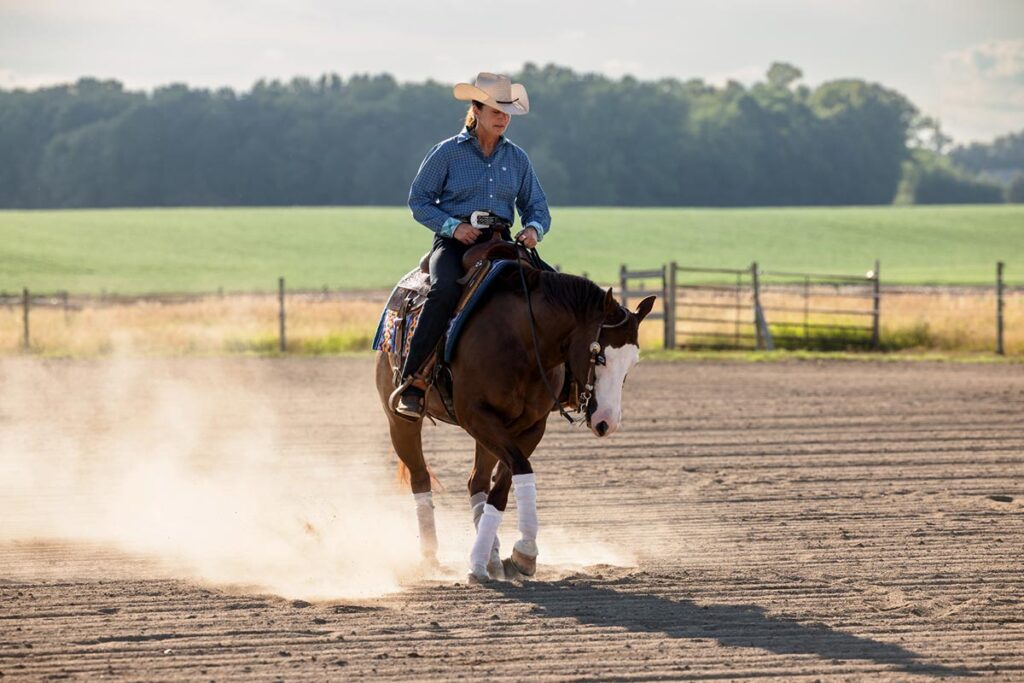
Researchers believe iPAAG could reduce synovial membrane stiffness in horses with osteoarthritis.

Learn how Class IV laser therapy supports equine rehabilitation and can improve recovery outcomes.
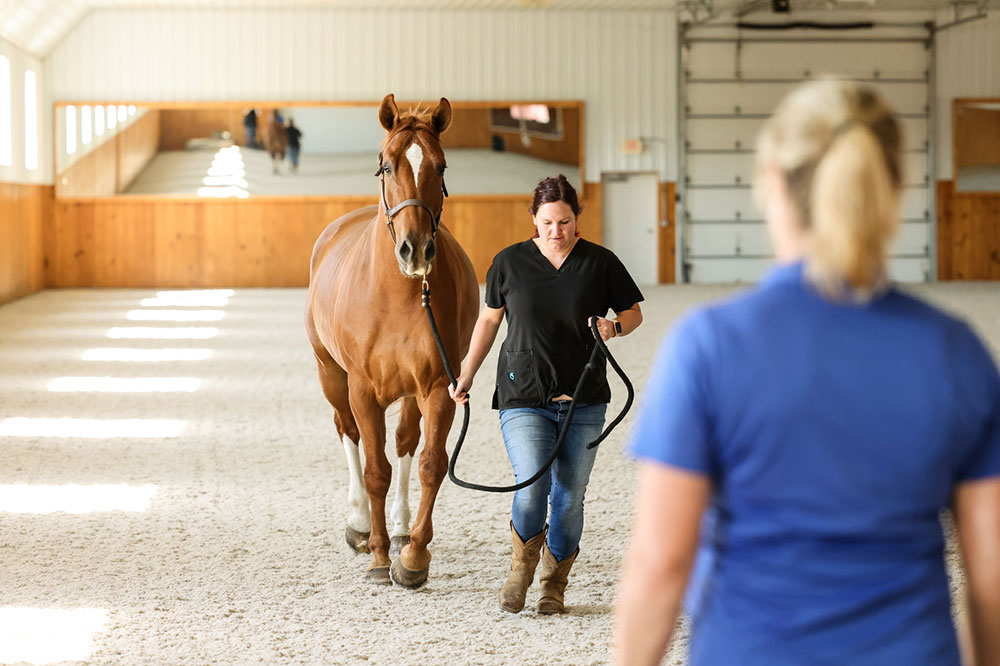
Objective tracking tools can bring data-driven precision to equine rehabilitation programs.

Dr. Jena Ward describes how veterinarians determine if a mare is fit for breeding.
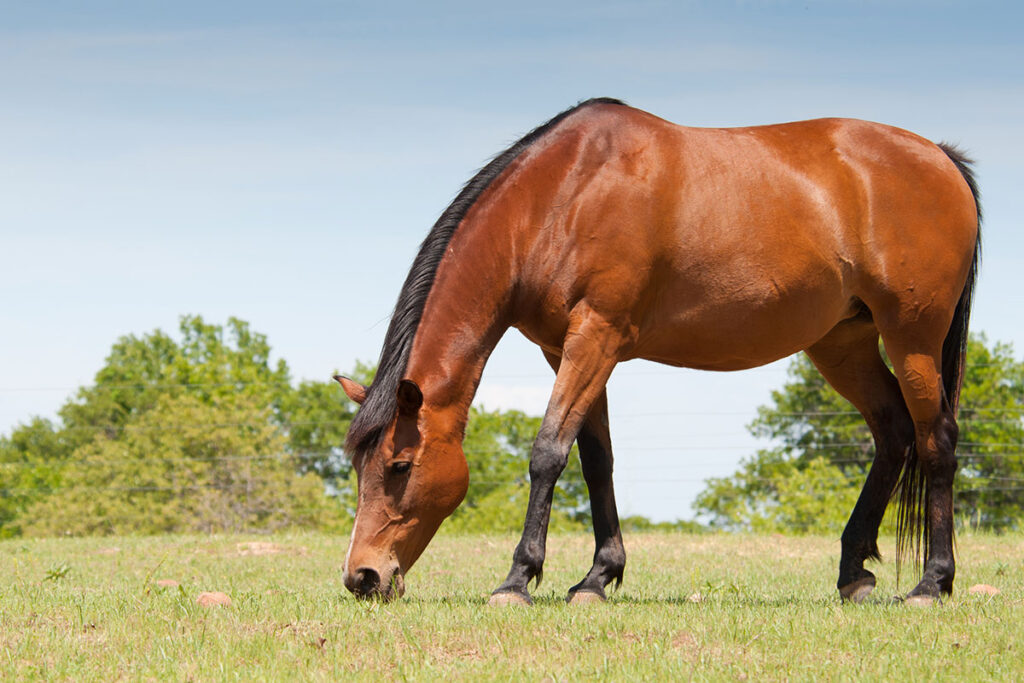
The horse’s gut microbiome could influence gastric ulcers, and while researchers have found microbial shifts with disease, their role remains uncertain.

Learn about this tendon’s complex anatomy and how veterinarians rehab it when injured.

New AAEP field guidelines give veterinarians a diagnostic flowchart for equine respiratory disease to guide sampling and test selection.
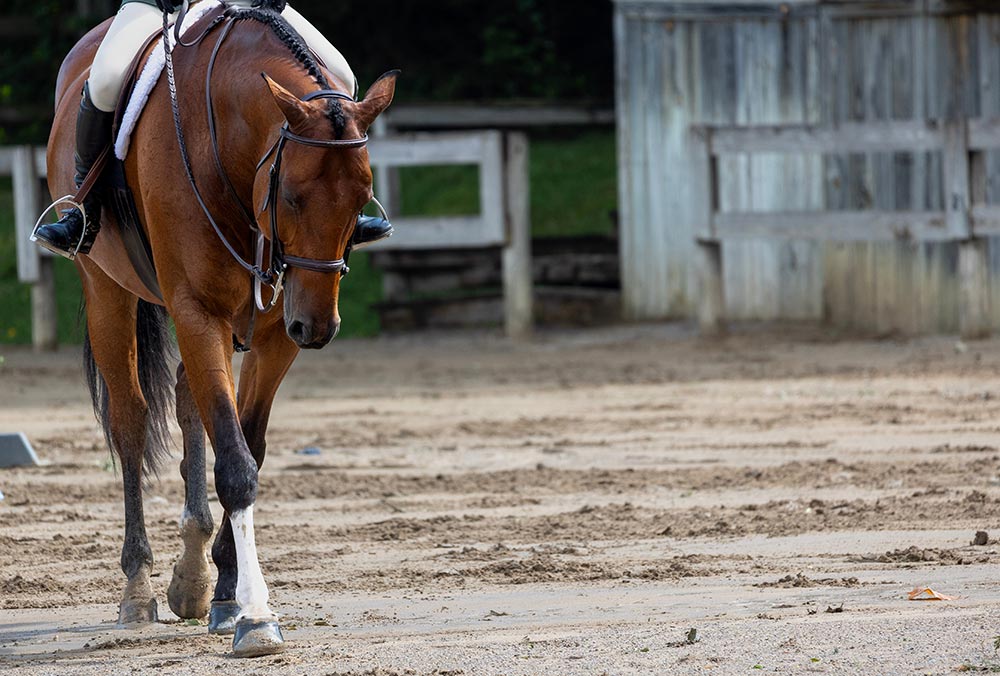
Here’s what researchers know about the role biomarkers might play in predicting and monitoring equine gastric ulcer syndrome.

Learn about 5 reasons for limb swelling in horses, from benign triggers to causes for major concern.
Equine gastric ulcer syndrome (EGUS) can only be definitively diagnosed through gastroscopy by a veterinarian. Sponsored by Endoscopy Support Services.

What are the most common neck issues in horses and how are research and technological advancements helping veterinarians diagnose them?

Five veterinary experts discuss the latest in diagnosing, treating, and preventing equine gastric ulcers in this roundtable. Sponsored by Boehringer Ingelheim.