The All-Important Equine Prepurchase Exam
What to expect when a veterinarian performs a prepurchase exam on a prospective equine partner.

What to expect when a veterinarian performs a prepurchase exam on a prospective equine partner.
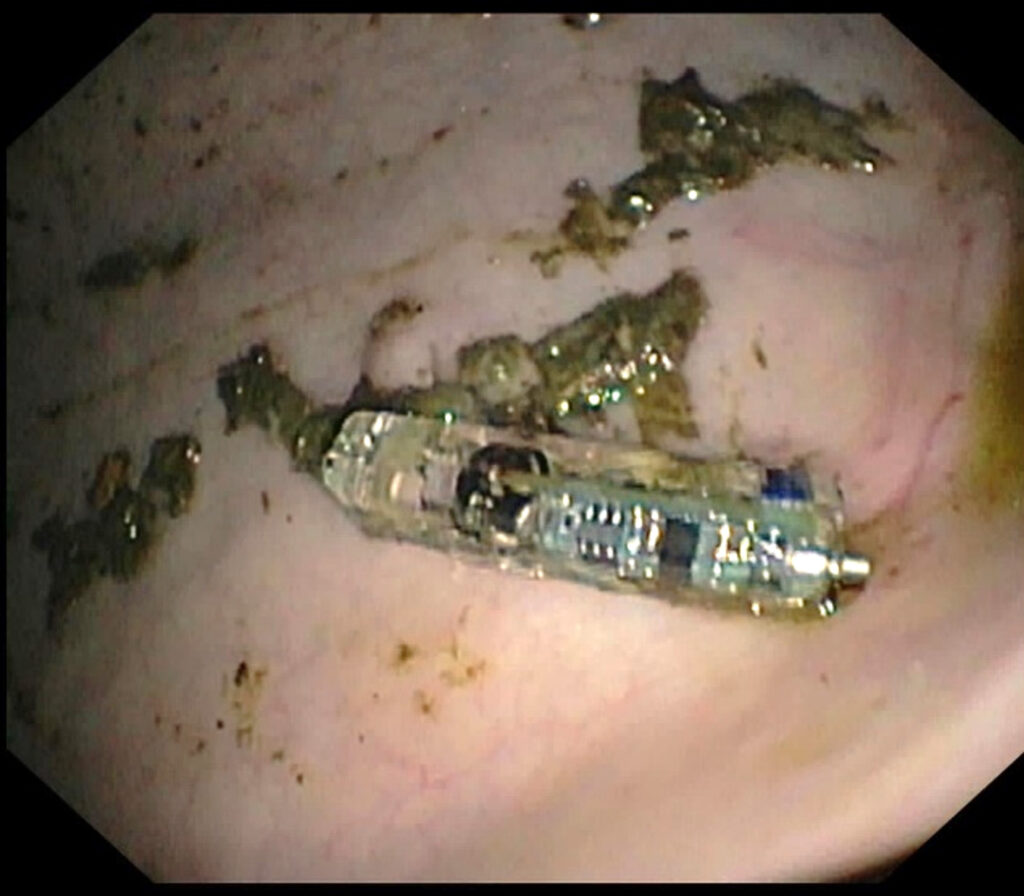
This capsule gives veterinarians and researchers a noninvasive way to track ulcer treatment progress in horses without repeated scoping.
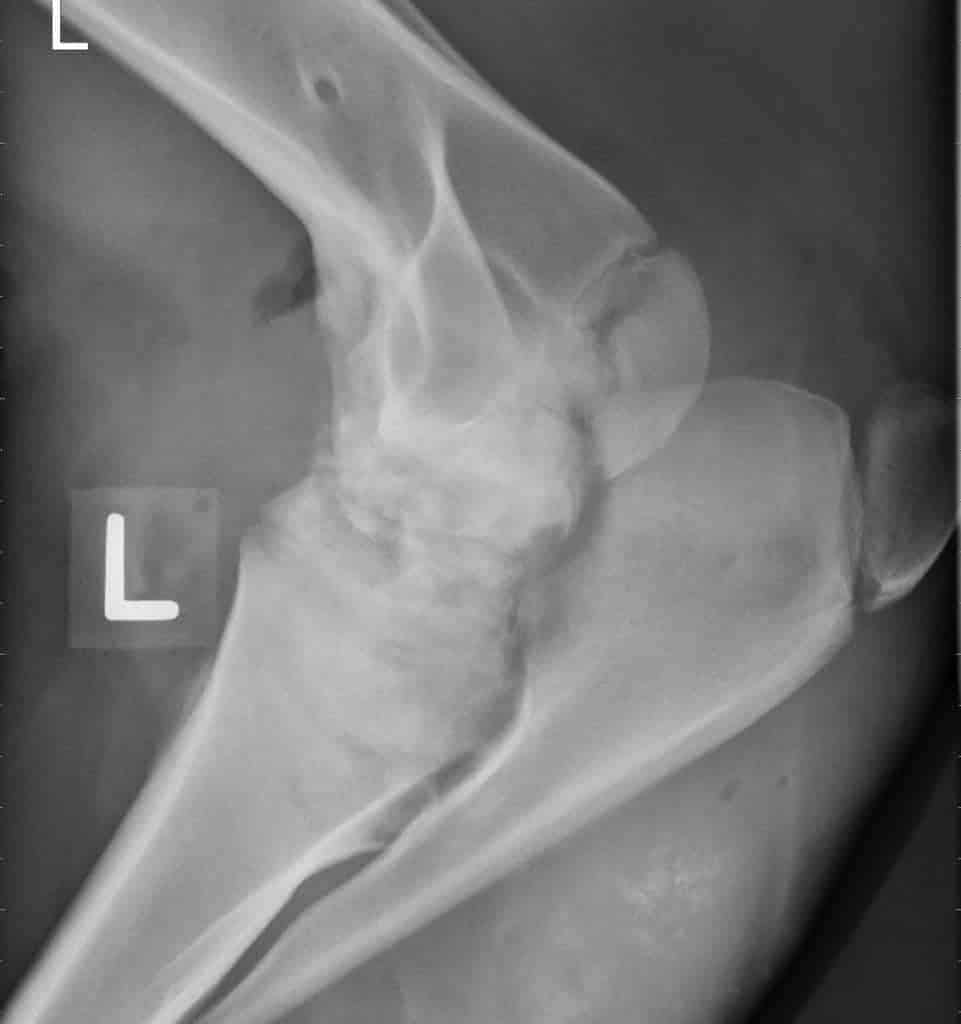
Dr. Tena Ursini describes why veterinarians need to use imaging to confirm a diagnosis of equine osteoarthritis and which modalities they usually turn to first.
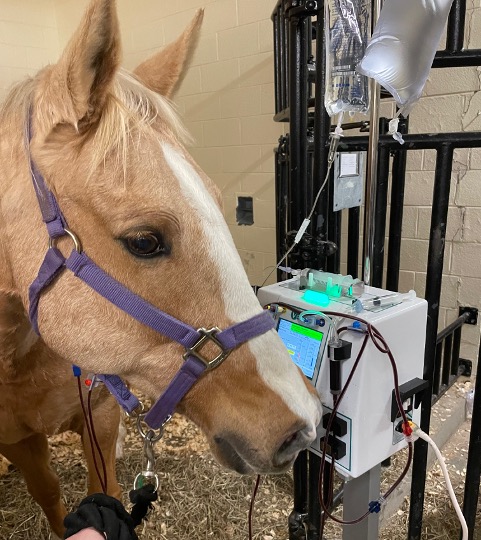
Hemoperfusion—filtering blood through a column to remove toxins—shows promise for managing sepsis in horses with pleuropneumonia, endotoxemia, and more.

Diagnostic imaging results are clearer than ever, but how they will affect a horse’s performance career isn’t always evident.

An equine sports medicine expert explains common ligament injuries that can occur in the horse’s stifle region and how veterinarians treat them.

Equine gastric ulcers often go unnoticed, especially in subclinical cases. Subtle signs can offer clues, while researchers explore biomarkers for future screening.

Learn about imaging techniques for accurately diagnosing pathologies in the equine back and neck.

Learn about the common causes of equine hind-limb lameness and how veterinarians diagnose and treat them.

The diagnostic tests veterinarians use are evolving to improve how we manage infectious diseases in horses.
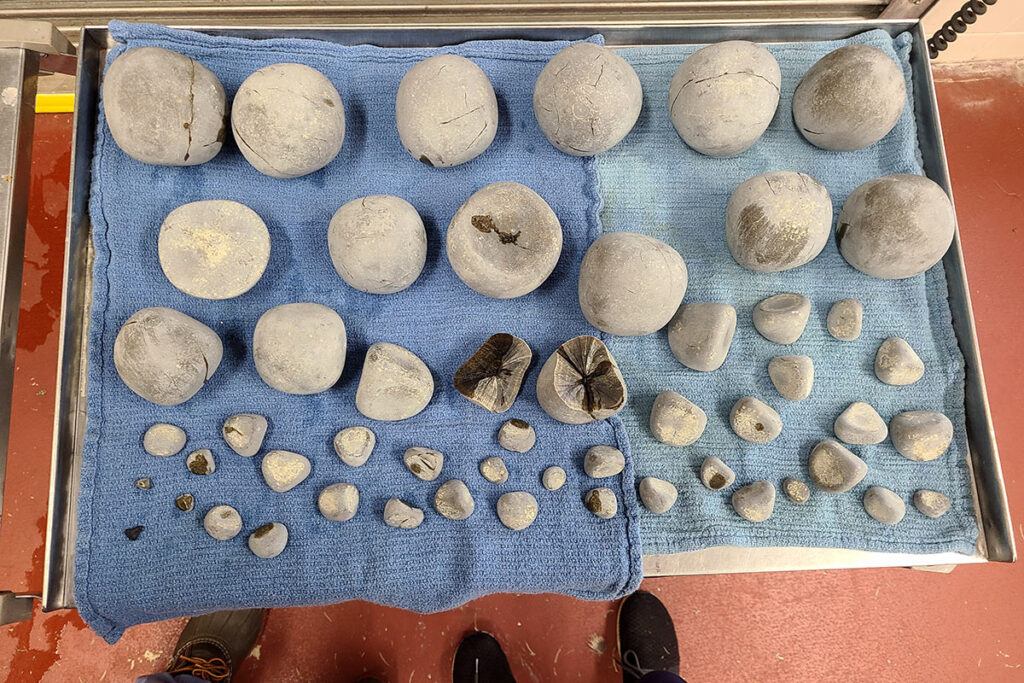
What are enteroliths and what happens if your horse has one (or several)?

Researchers have defined the significance of suspensory ligament abnormalities and their impact on racehorse performance.

Researchers described the most common abnormalities seen on imaging in nonlame show jumpers—problems that could lead to lameness in the horses’ future.

Why is milk coming out of my foal’s nose? One expert shares causes, diagnosis, and treatment for dysphagia in foals.

Dr. Katie Ellis and Dr. Howland Mansfield discuss what imaging modalities veterinarians might use to accurately diagnose joint disease in horses.

Learn how veterinarians use ultrasound to diagnose, treat, and monitor musculoskeletal injuries in horses.