Managing Pain in the Performance Horse
Two veterinarians navigate the ethical and medical intricacies of keeping sport horses sound and pain-free.

Two veterinarians navigate the ethical and medical intricacies of keeping sport horses sound and pain-free.

Consider the benefits of including veterinarians in your horse’s preventive care this spring.

Training horses to maximize their abilities comes with potential pitfalls, but consistent attention to detail can help prevent most issues.


Here’s how one veterinarian localizes lameness to the horse’s stifle, treats stifle injuries, and performs surgery when necessary.

Experts described 6 new studies that made significant impacts on equine musculoskeletal problem diagnosis and treatment in 2024.

Here’s how veterinarians manage problems such as foal diarrhea, dehydration, and milk replacement challenges on the farm.
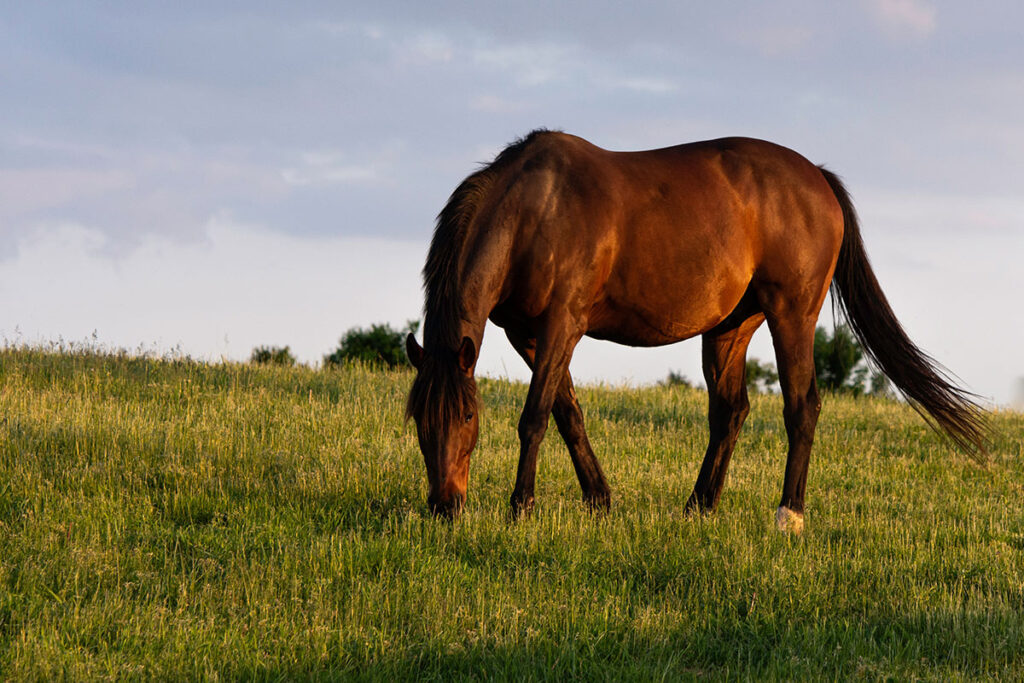
Researchers believe PPID (formerly called equine Cushing’s disease) might have negative effects on mare fertility but need more research to understand why.

Testing asymptomatic horses for EHV-1 at equestrian events is crucial for early detection and preventing potential outbreaks.

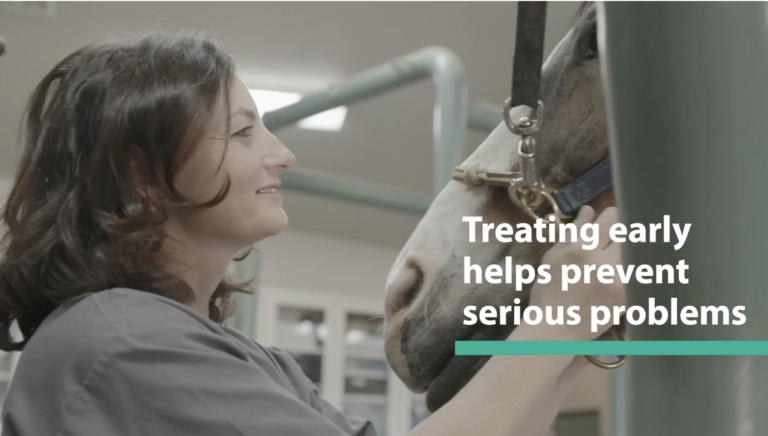
Milne lecturer Dr. Lisa Fortier advises veterinarians to evaluate a horse’s overall health before using orthobiologics and to treat injuries early for the best outcomes.

Researchers found that a schizophyllan and hyaluronan supplement might help veterinarians and owners manage EGUS.

Researchers are currently working to develop an RNA vaccine for EHV-1 and -4. Here’s what they know so far.

The guidelines provide updated insights on the transmission, diagnosis, and management of 2 viral causes of liver disease in horses.

The new vaccine in development paves the way for more effective immunization against the diarrhea-inducing virus in equine neonates.
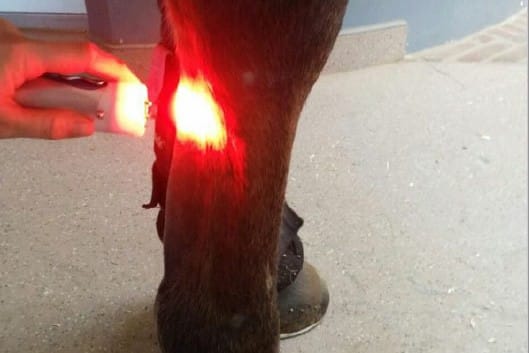
Learn more about Class IV laser treatments, the current research, and opportunities for further advancement.

Take a look at recent research on autologous blood-based products and their effects on equine joints and metabolic parameters.