Equine Innovators: West Nile Virus in Horses—Risks, Signs, and Prevention
Horses still face the threat of West Nile virus. Dr. Sally DeNotta shares how it spreads, what signs to watch for, and why vaccination and mosquito control matter every year.

Horses still face the threat of West Nile virus. Dr. Sally DeNotta shares how it spreads, what signs to watch for, and why vaccination and mosquito control matter every year.

The diagnostic tests veterinarians use are evolving to improve how we manage infectious diseases in horses.

Here’s how equine veterinary clinics institute strict biosecurity measures to contain, prevent, and control disease outbreaks.

Our sources share updates from the equine world to help you understand this exciting yet complex field of regenerative medicine.

Learn about the biologic, or regenerative, therapies that have altered the way many equine veterinarians treat problematic joints.
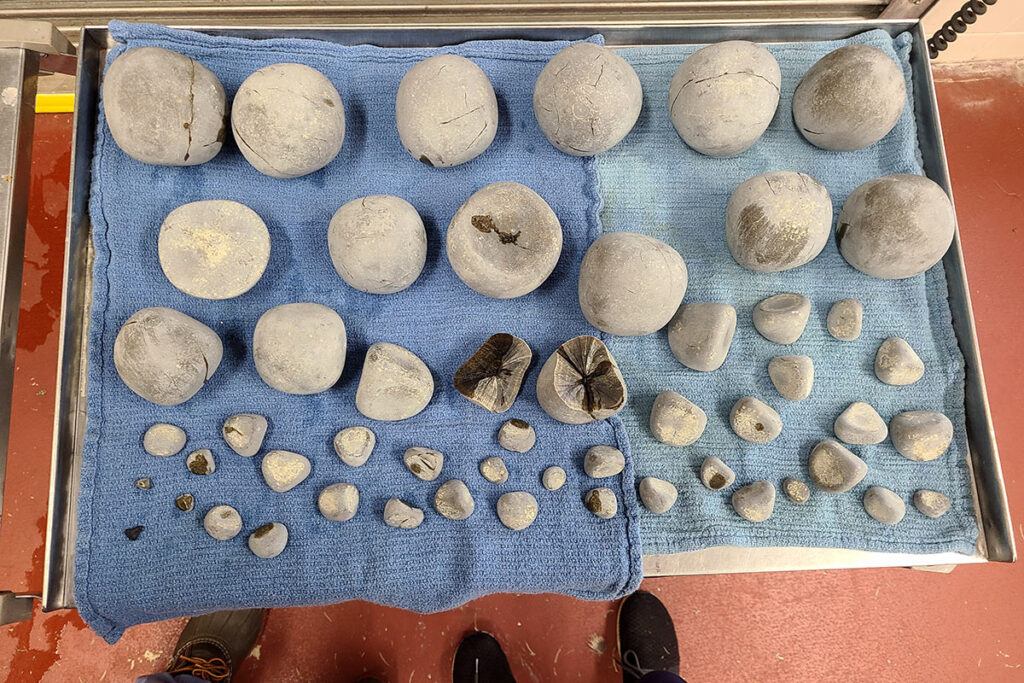
What are enteroliths and what happens if your horse has one (or several)?

Researchers have defined the significance of suspensory ligament abnormalities and their impact on racehorse performance.
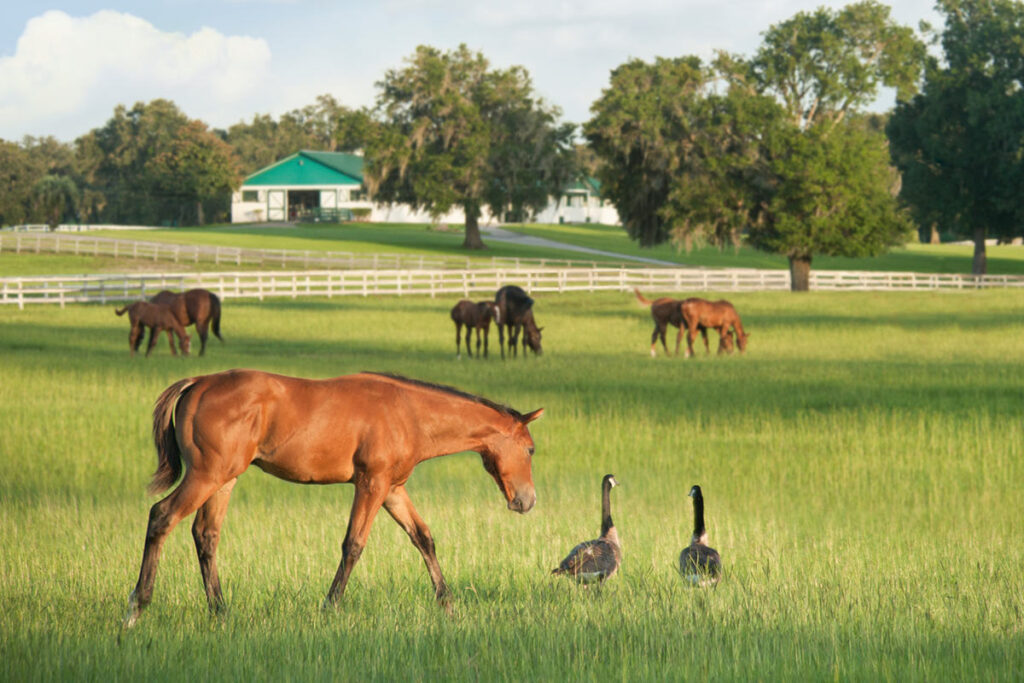
Here’s what scientists know about avian influenza and how it might affect horses.

Greater awareness and ongoing research mean fewer foals are being born with this genetic skin condition.

Veterinarians can guide horse owners in choosing supplements by assessing diet first, identifying the horse’s needs, and then recommending evidence-based ingredients.

West Nile virus, now endemic on most continents, causes deadly neurological disease in horses, with vaccination remaining the only effective prevention.

During the 2024 AAEP Kester News Hour experts shared new research on equine genetics, atrial fibrillation detection, neck pain, and updated EHV guidelines.

Researchers are exploring CBD’s potential to reduce joint pain in horses through a multiphase study on its efficacy.

Researchers described the most common abnormalities seen on imaging in nonlame show jumpers—problems that could lead to lameness in the horses’ future.

Alternative joint injections to corticosteroids can keep horses comfortable and offer a chance at healing rather than simply masking pain.

Why is milk coming out of my foal’s nose? One expert shares causes, diagnosis, and treatment for dysphagia in foals.