New World Screwworm Threat
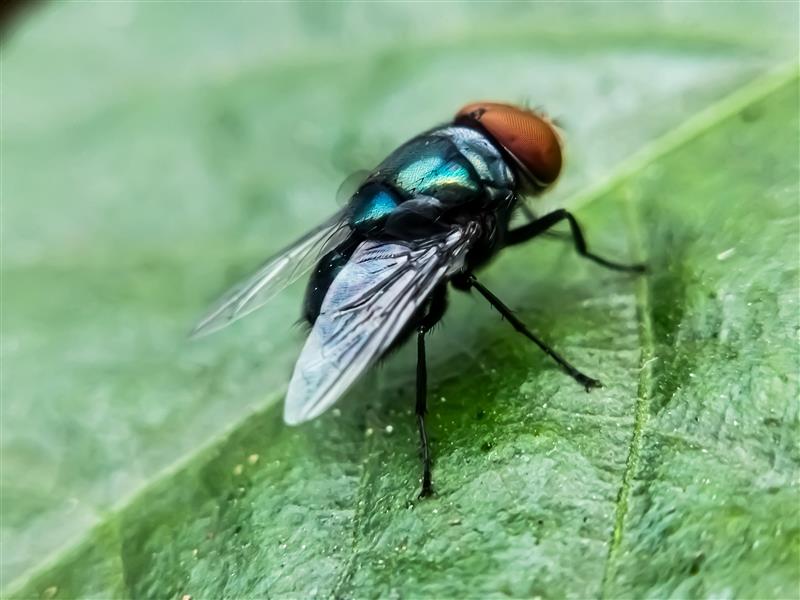
Researchers have outlined key information on the New World screwworm fly, along with methods for recognizing, treating, and ultimately eradicating infestations.

Researchers have outlined key information on the New World screwworm fly, along with methods for recognizing, treating, and ultimately eradicating infestations.

Researchers warn of rising EIA cases, with inapparent carriers and iatrogenic spread posing ongoing threats to horse health nationwide.
Researchers are exploring macrophage-based therapies to resolve inflammation and improve long-term joint health in horses.
Equine gastric ulcer syndrome (EGUS) can only be definitively diagnosed through gastroscopy by a veterinarian. Sponsored by Endoscopy Support Services.

What are the most common neck issues in horses and how are research and technological advancements helping veterinarians diagnose them?
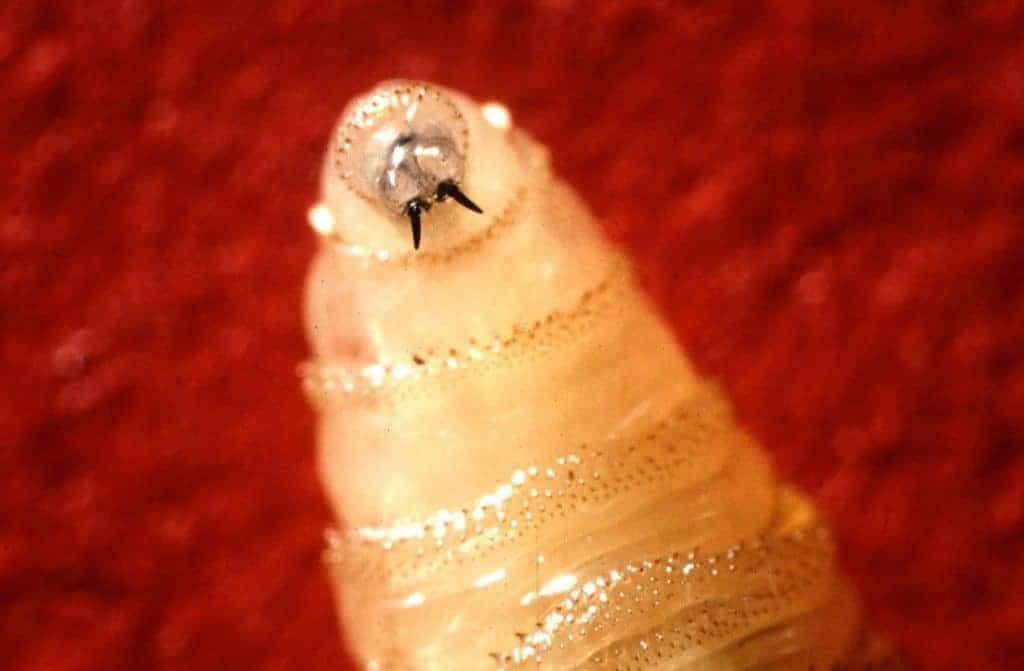
As new world screwworm threatens horses and livestock again, experts urge vigilance, rapid reporting, and prevention to stop its return to the U.S.
One expert explains what researchers know about EASD in horses and advancements they hope to make in prevention.

Five veterinary experts discuss the latest in diagnosing, treating, and preventing equine gastric ulcers in this roundtable. Sponsored by Boehringer Ingelheim.
Discover what issues can affect your horse’s back, sacroiliac joint, and pelvis and how veterinarians address them.

What to expect when a veterinarian performs a prepurchase exam on a prospective equine partner.

Researchers say long-term use of this NSAID in horses does not have clinically significant negative effects on bloodwork.

Learn how osteoarthritis can affect a horse’s comfort lying down and getting up in this Ask TheHorse Live excerpt.
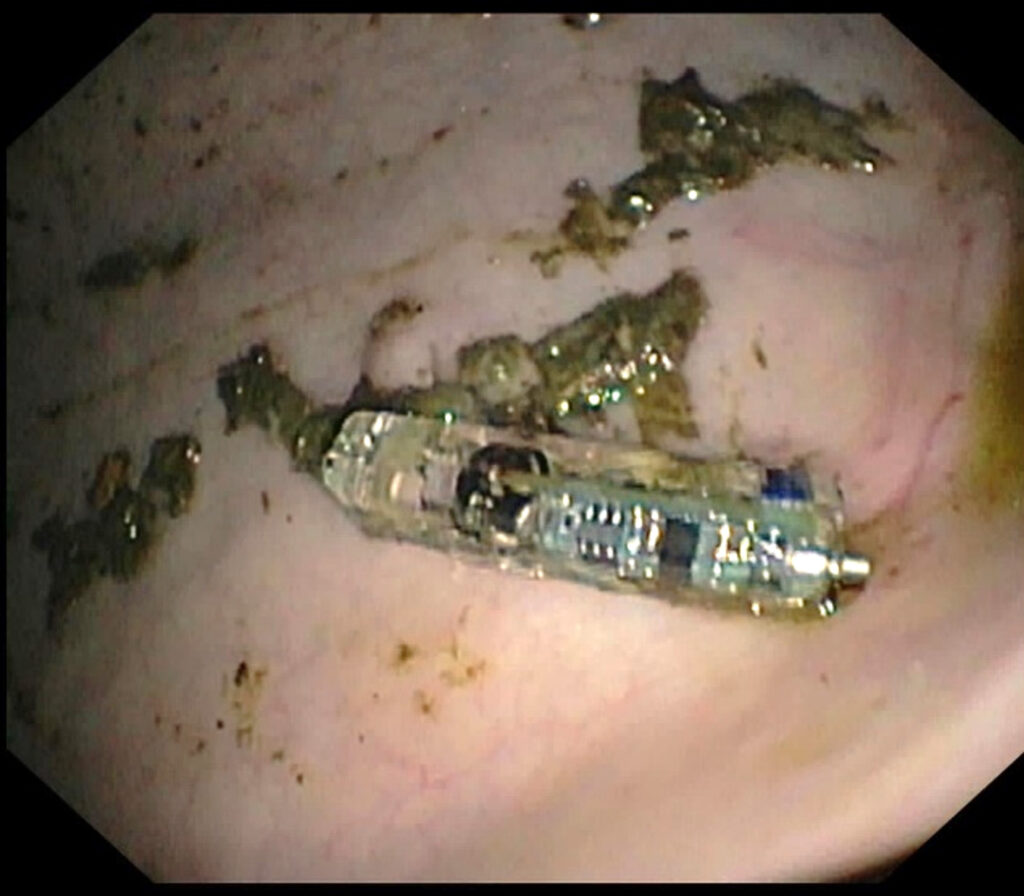
This capsule gives veterinarians and researchers a noninvasive way to track ulcer treatment progress in horses without repeated scoping.
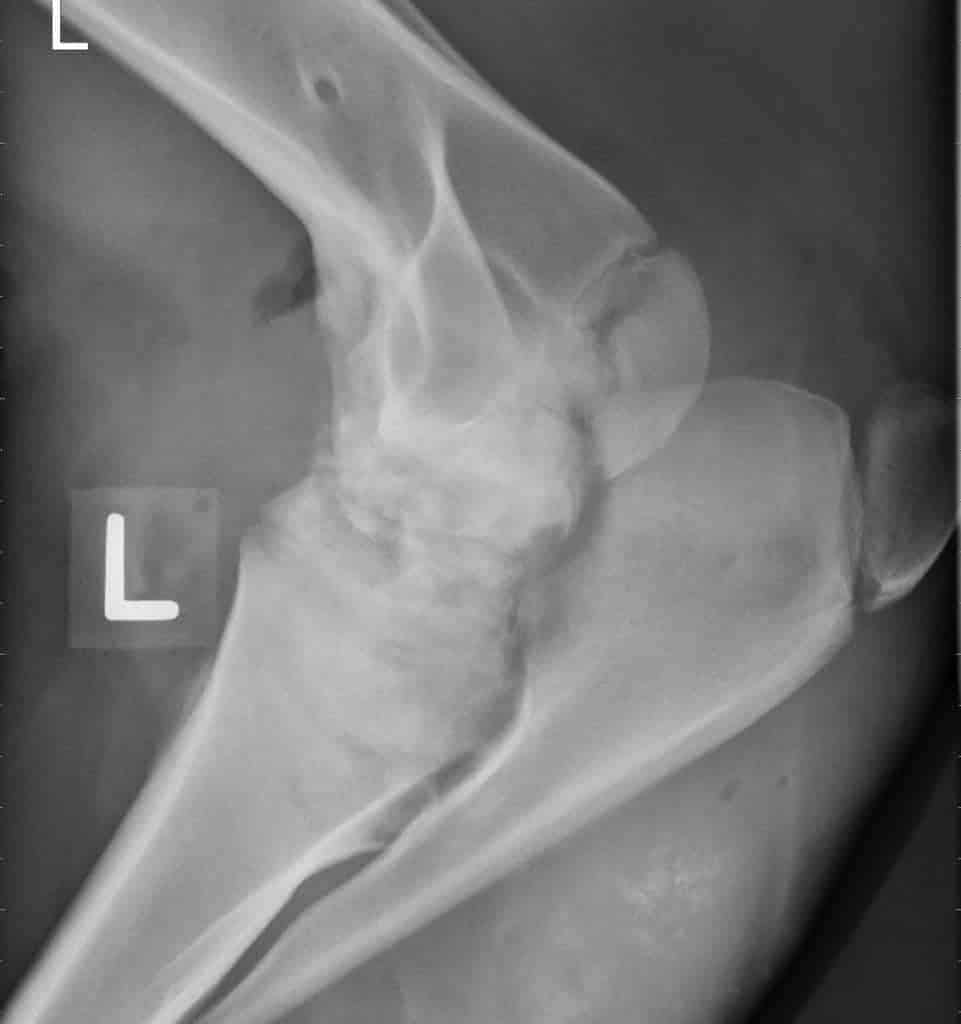
Dr. Tena Ursini describes why veterinarians need to use imaging to confirm a diagnosis of equine osteoarthritis and which modalities they usually turn to first.
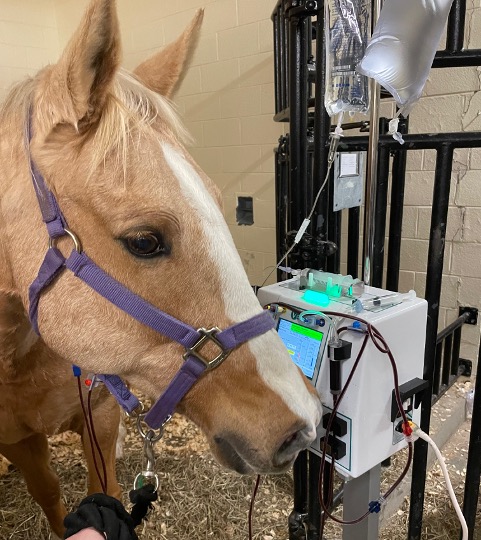
Hemoperfusion—filtering blood through a column to remove toxins—shows promise for managing sepsis in horses with pleuropneumonia, endotoxemia, and more.

Diagnostic imaging results are clearer than ever, but how they will affect a horse’s performance career isn’t always evident.