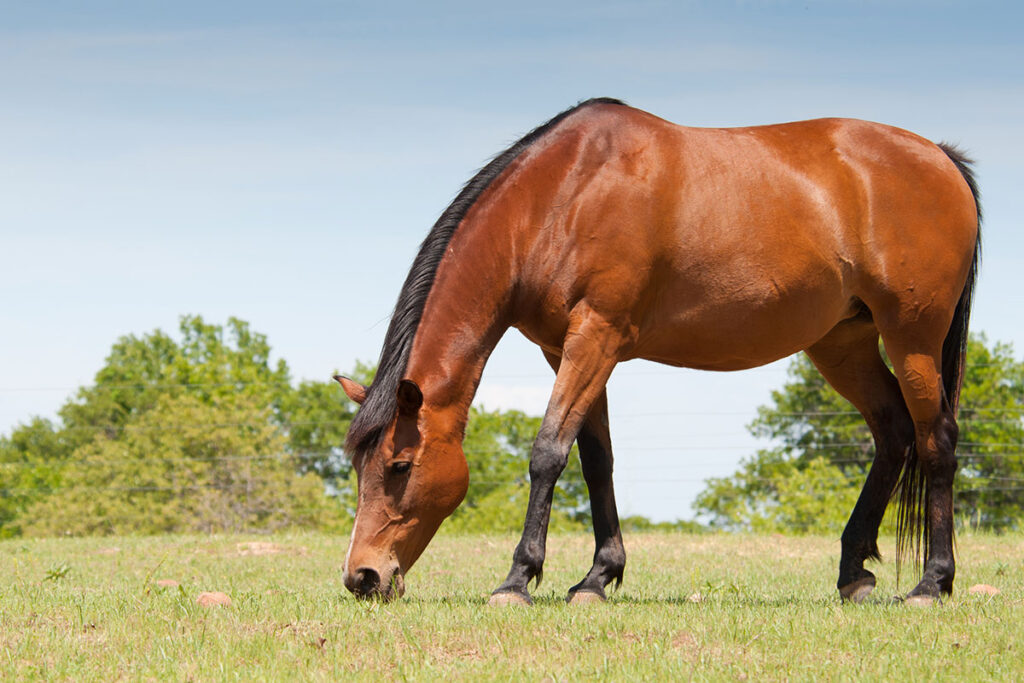
Exploring the Link Between the Equine Microbiome and Gastric Ulcers
The horse’s gut microbiome could influence gastric ulcers, and while researchers have found microbial shifts with disease, their role remains uncertain.

The horse’s gut microbiome could influence gastric ulcers, and while researchers have found microbial shifts with disease, their role remains uncertain.

Radiographic evidence reveals Western performance horses can develop fetlock bone stress similar to racehorses—likely from repetitive strain, not speed.

Find out how a colt with persistently puffy hocks but no lameness was diagnosed with and treated for a medial malleolus lesion.
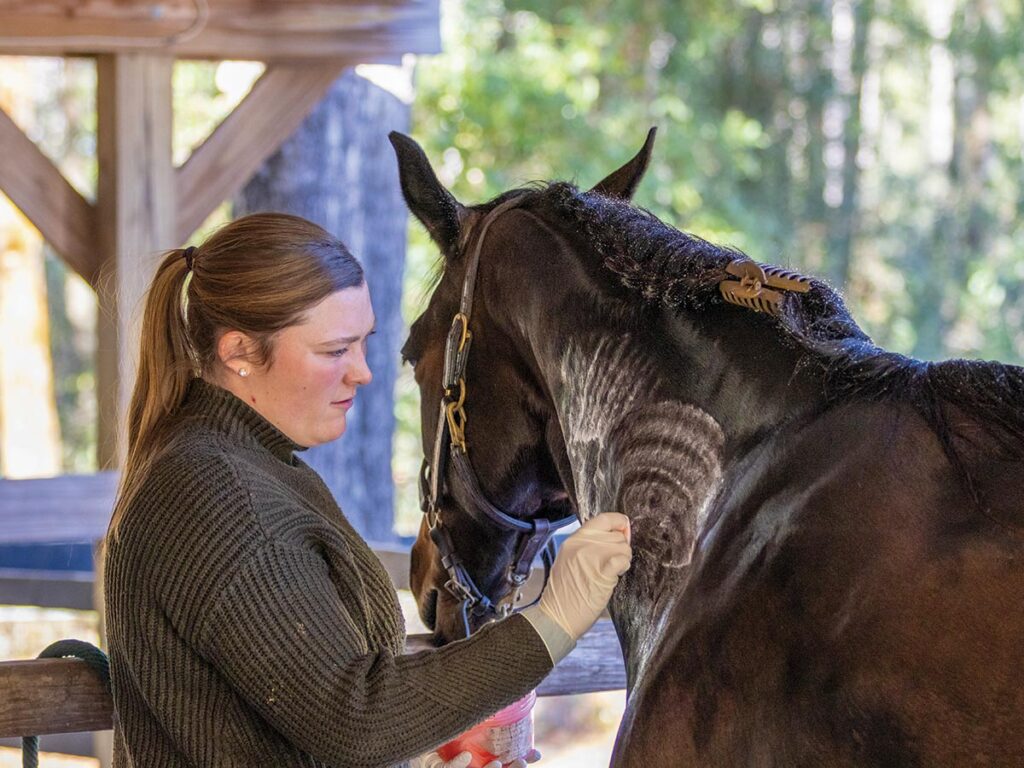
Veterinary technicians help veterinarians provide top-level care to their clients and patients. Learn more about their roles in the Fall 2025 issue of The Horse.

Learn about this tendon’s complex anatomy and how veterinarians rehab it when injured.
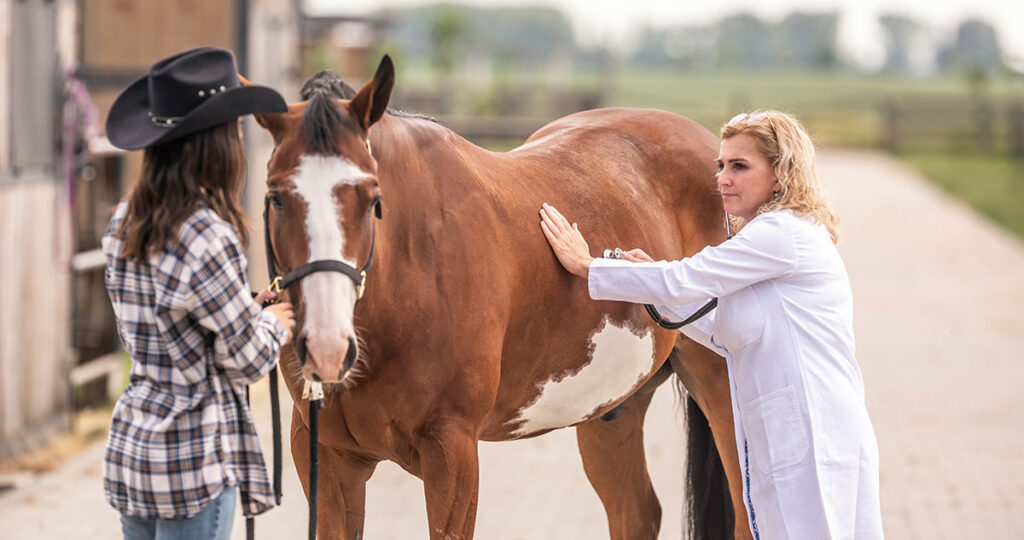
Financial planning and practical management help owners provide effective care for horses with chronic conditions or long-term injuries. Sponsored by CareCredit.

Researchers say bump kinase inhibitors show promise in treating horses with this neurologic disease.

How soon can I ride my horse after he gets trimmed or shod? How do I know if he has thin soles? Vets and farriers answer these common hoof health questions and more.

New AAEP field guidelines give veterinarians a diagnostic flowchart for equine respiratory disease to guide sampling and test selection.

How farriers trim and shoe horses for their unique biomechanics, discipline, and riding surface.

See what science has revealed about chiropractic care for horses in this article from the Fall 2025 issue of The Horse.
Equine hepatitis viruses EqHV and EqPV-H can cause chronic or acute liver disease in horses. Early diagnosis, biosecurity, and prevention are key.
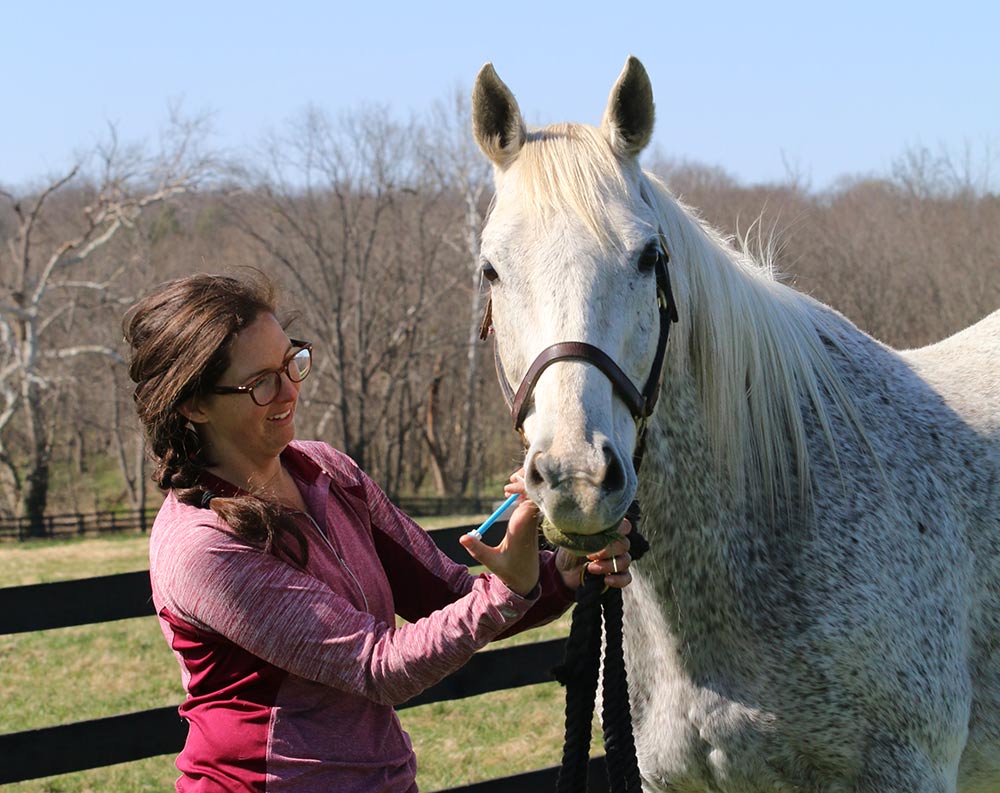
Dr. Martin Nielsen explains how testing and strategic deworming programs support effective parasite control and protect horses’ long-term health.
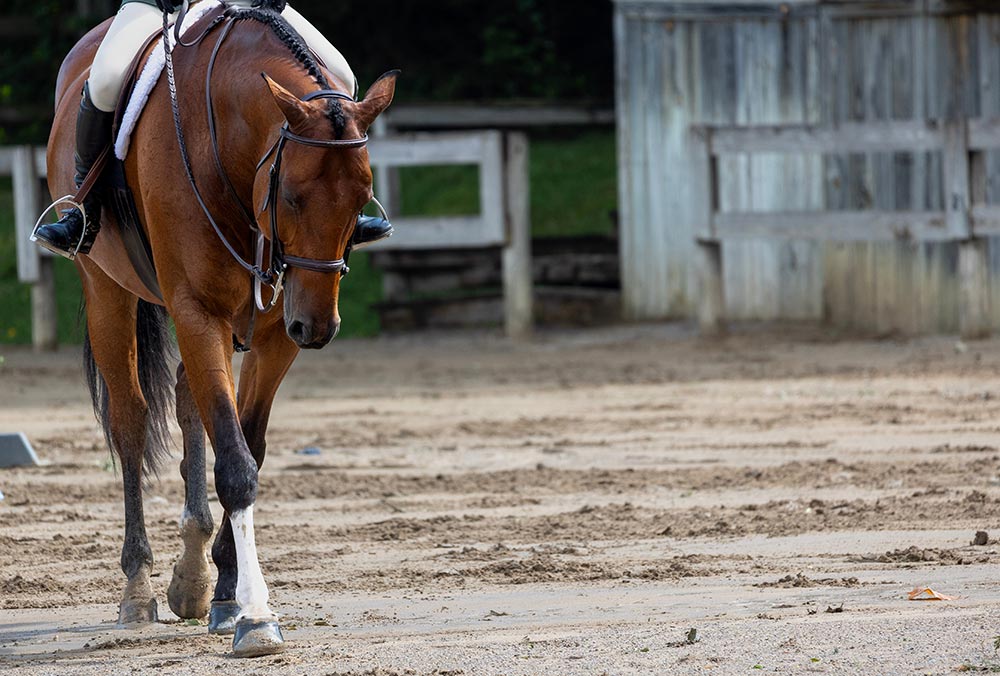
Here’s what researchers know about the role biomarkers might play in predicting and monitoring equine gastric ulcer syndrome.

Veterinarians weigh in on the do’s and don’ts of wound care, from discovery to recovery.

Learn about 5 reasons for limb swelling in horses, from benign triggers to causes for major concern.