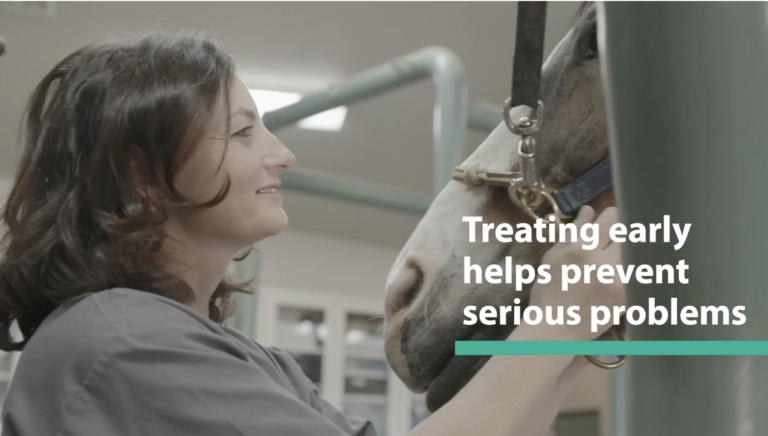
Managing Laminitis: The Horse Owner’s Role
Understand why adhering to your veterinarian’s carefully designed laminitis-care plan is critical to your horse’s welfare and well-being.

Understand why adhering to your veterinarian’s carefully designed laminitis-care plan is critical to your horse’s welfare and well-being.
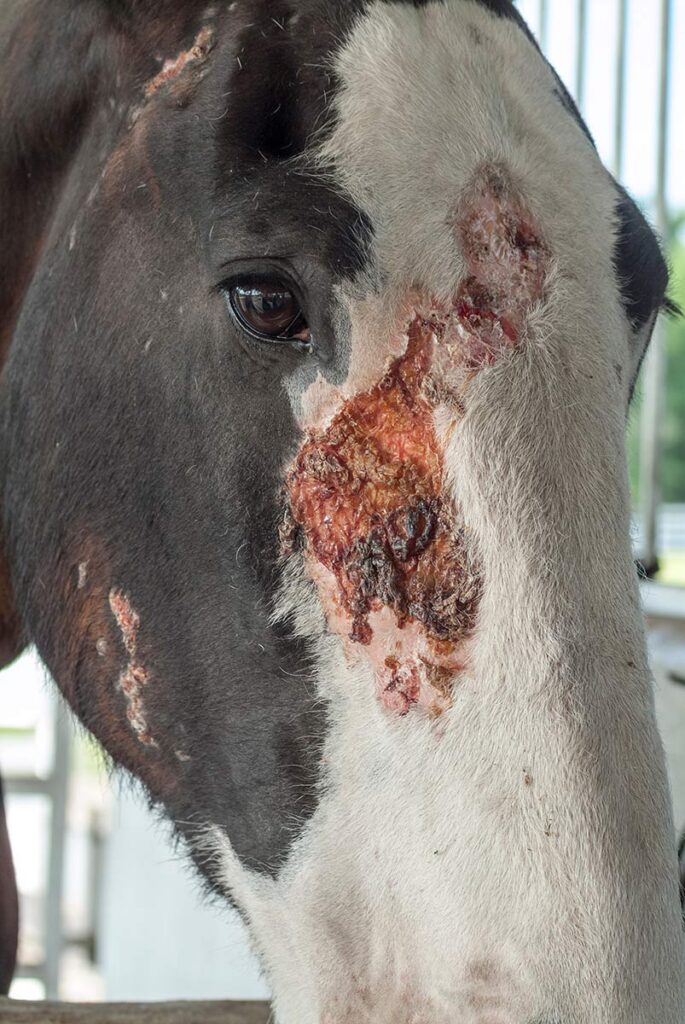
Researchers have identified natural and innovative therapies that could reduce reliance on antibiotics in horses, with global health benefits.
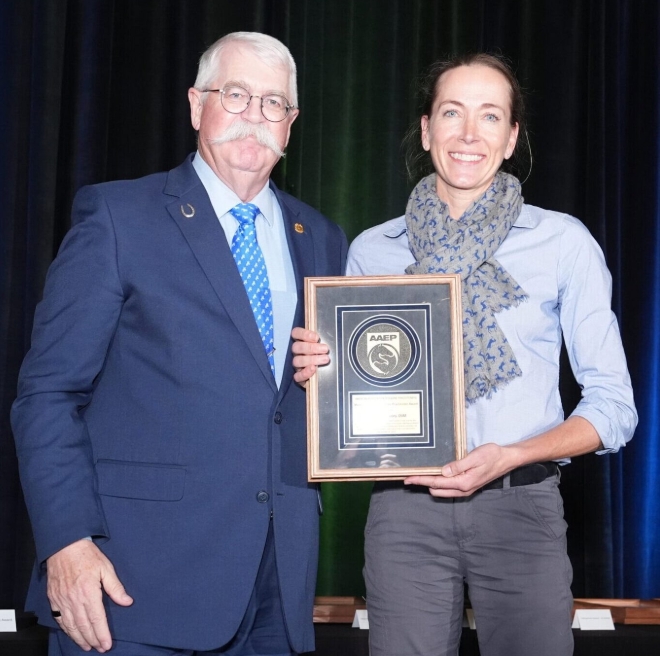
The AAEP presented its inaugural Margaret Phyllis Lose Solo Practitioner Award to Dr. Amanda McCleery, who has helped improved sustainability and life balance for equine veterinarians.
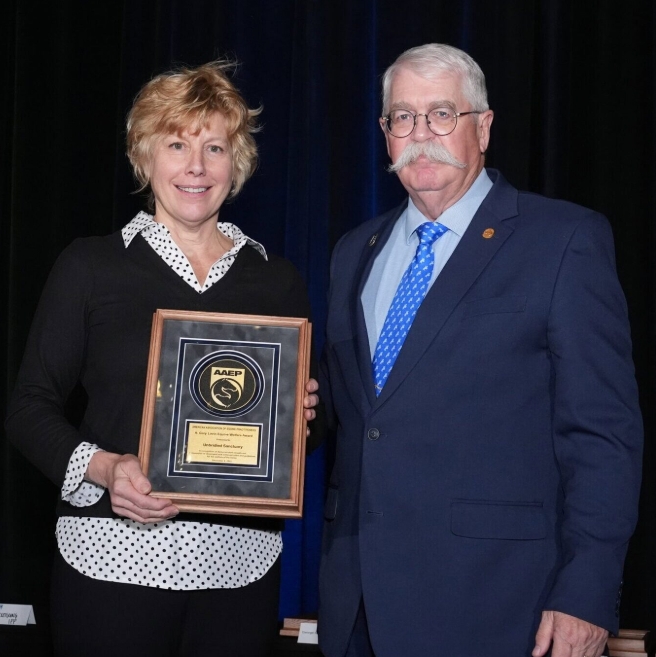
Unbridled Sanctuary, a nonprofit equine rescue and protection facility is the recent of the AAEP 2025 A. Gary Lavin Equine Welfare Award.
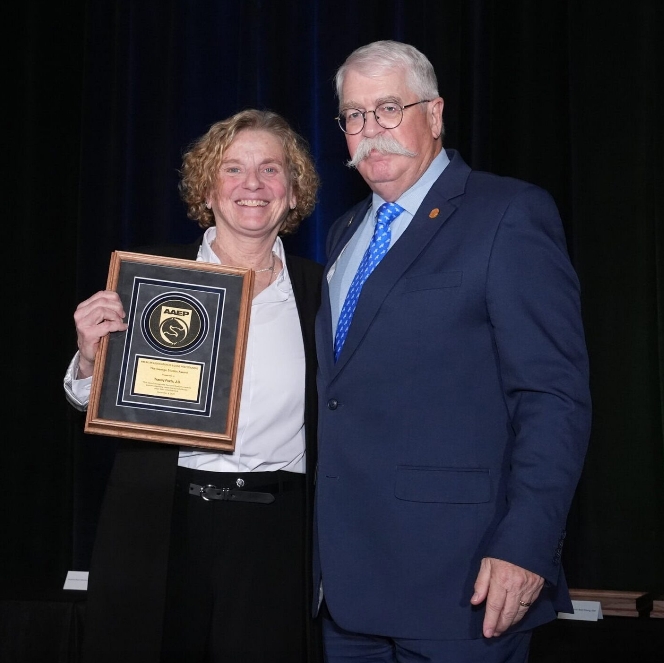
The AAEP presented its 2025 George Stubbs Award to Tracey Forfa, who helped guide the organization’s policy on compounded medications and other equine veterinary pharmaceutical issues.
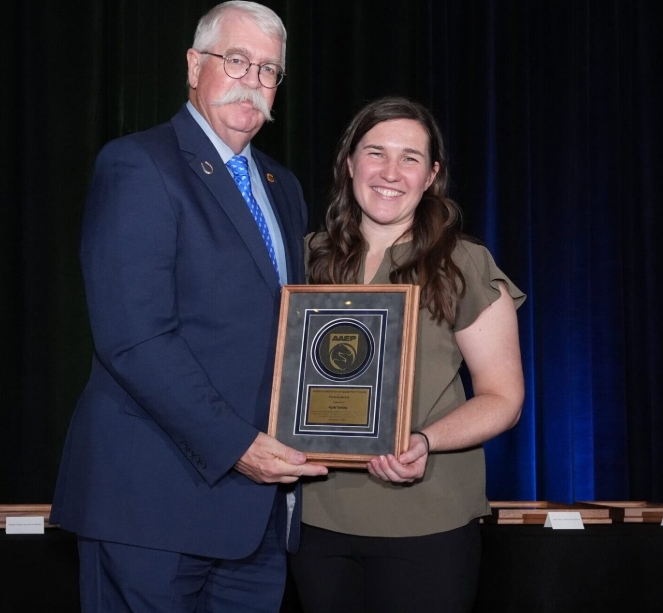
Kylie Yancey, a fourth-year veterinary student at Colorado State University received the first-ever Futurity Award from the American Association of Equine Practitioners.
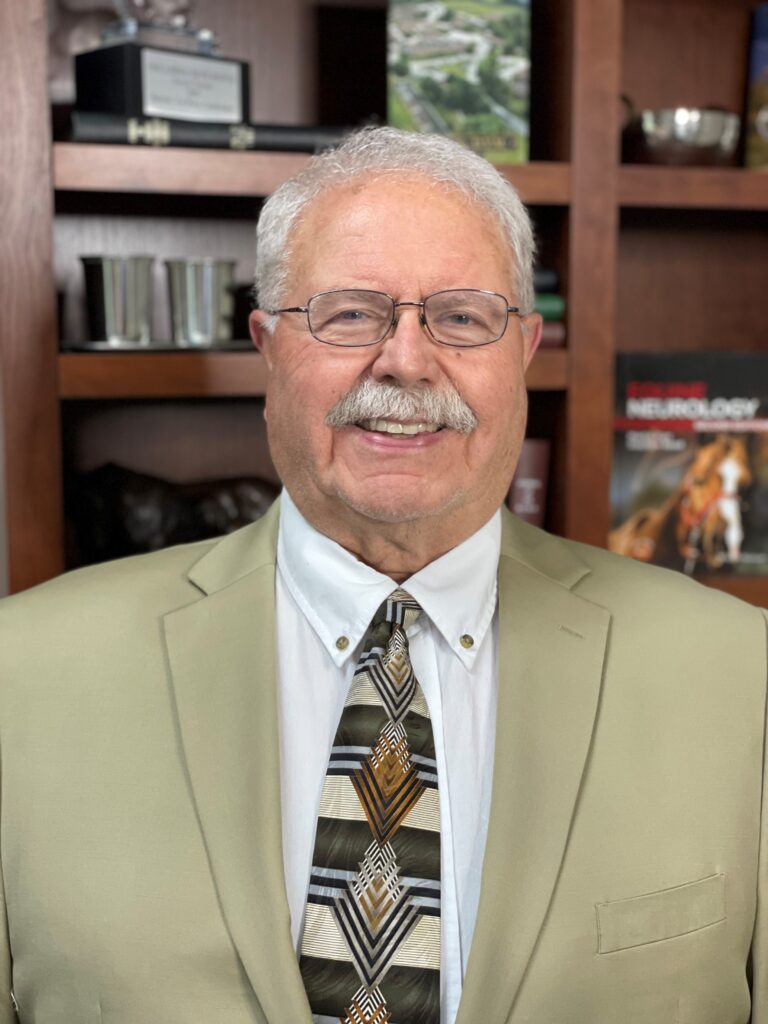
Dr. Stephen Reed received the 2025 Distinguished Educator–Mentor Award from the AAEP for his personal and consequential impact on hundreds of equine veterinarians throughout his nearly 50 years in practice.
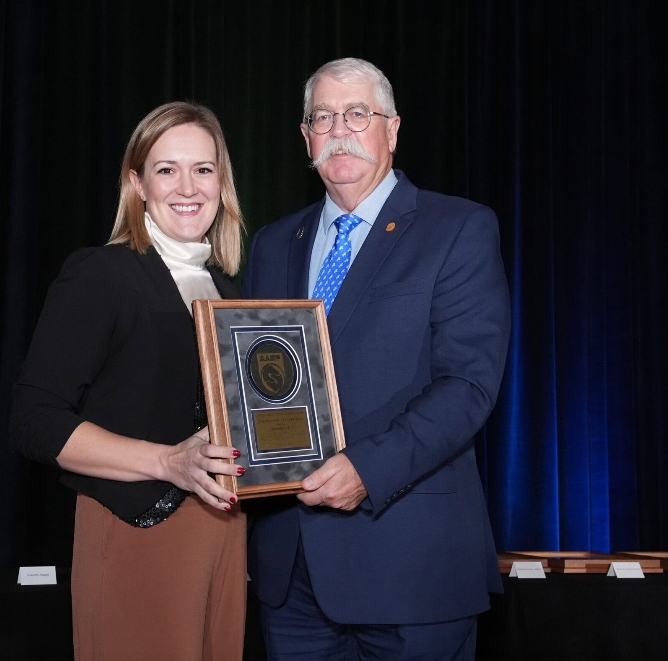
The AAEP presented its inaugural Olive Kendrick Britt Rising Star Award to Montana-based equine ambulatory relief veterinarian Dr. Jamie Clark for advancing retention efforts.

The AAEP presented its 2025 Sage Kester Lifetime Achievement Award to Dr. Tim Mair for his contributions to equine veterinary medicine through clinical practice, clinical research, scholarly publications, continuing education, teaching, and mentorship.

Dr. Wayne McIlwraith received the AAEP’s 2025 Distinguished Educator– Academic Award for his groundbreaking contributions to orthopedic surgery and joint disease that have revolutionized treatment protocols.
Dr. Ernie Martinez, II, a field care veterinarian at Hagyard Equine Medical Institute has joined the board of directors of the American Association of Equine Practitioners.

Take a closer look at what’s new in assisted equine reproduction and what that means for horses and humans.

Biometric sensors and other technologies are reshaping how we monitor horse health and performance across various disciplines.

Fevers flag a health problem in horses, but what should you do when you can’t determine the cause? Here’s how veterinarians handle this frustrating problem.

Dr. Holly Helbig and Dr. David Levine describe how they use SAA and other biomarkers to spot infection early, guide treatment, support biosecurity, and monitor horses in real time.

Genomic tools help breeders pair for performance and temperament while avoiding inherited health risks in the next generation of performance horses.