Biomarkers for Equine Athletes
How can biomarkers be used to help improve performance and reduce injury risk in horses?

How can biomarkers be used to help improve performance and reduce injury risk in horses?

The potential benefits of probiotics and how to choose the right product.

For an older horse, veterinarians recommend general anesthesia with oxygen and monitoring of vital signs when undergoing surgery.

Navicular syndrome, more accurately referred to as podotrochlosis, is a catchall phrase describing chronic forelimb lameness caused by pain stemming from the navicular bone and related structures. Sponsored by Dechra.
Respiratory disease research continues to be the focus for the 12th year of the awards.

Giving medications to pregnant mares is never without risk and should always be discussed with your veterinarian.

Learn how fluid therapy enhances horses’ recovery from life-threatening diseases by correcting dehydration and shock.

Researcher: Blood sample timing is key when using TRH stimulation to help diagnose PPID.

A mare that underwent cheek tooth extraction and sinus surgery beat the odds and survived bacterial meningitis resulting from the procedure.

If your veterinarian discovers a heart murmur, it’s crucial to investigate its potential causes and effects.

Jessica Gould, DVM, demonstrates extracorporeal shock wave therapy on an Irish Sport Horse to help manage mild neck and back pain.

Jessica Gould, DVM, demonstrates how she uses shock wave therapy on an older competing Irish Sport Horse.

Jessica Gould, DVM, of Hagyard Equine Medical Institute, explains how extracorporeal shock wave therapy works and what cases she treats with it.

Free-roaming Przewalski’s horses experience notable changes in their gut microbiota after annual deworming.
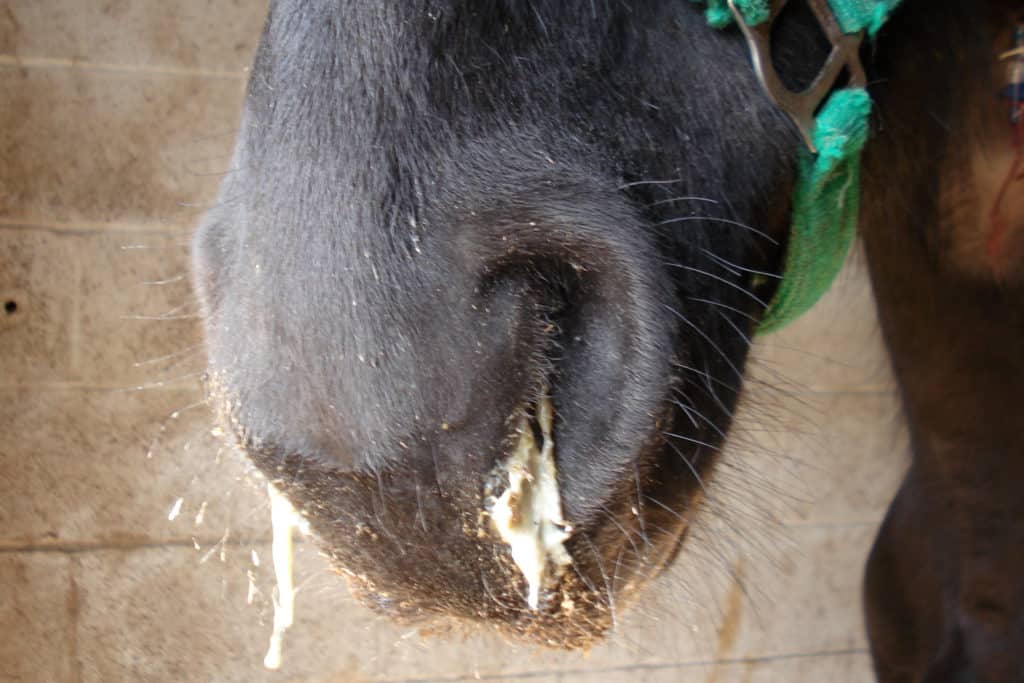
This common and highly contagious respiratory disease affects horses worldwide.

Shock wave therapy is an important tool for helping manage a variety of equine conditions and injuries.