Using Dogs and DNA to Diagnose Diarrhea in Foals
Dr. Nathan Slovis covers new technologies in accurately diagnosing the causes of infectious diarrhea in foals.

Dr. Nathan Slovis covers new technologies in accurately diagnosing the causes of infectious diarrhea in foals.

Quarter cracks form in response to various hoof imbalances and often require a multimodal approach to resolve.

Scientists are rapidly homing in on the specific areas of the equine genome linked to this debilitating condition.

Owning a horse over his lifetime can be rewarding, but you need to be prepared for specific costs related to his care. Learn about senior horse research studies and what veterinarians say you should watch for as your horse ages.

Computed tomography creates cross-sectional, 3D images to help veterinarians diagnose a variety of equine injuries and lamenesses.

PRCA Hall of Famer Douglas Corey, DVM, offered insight into rodeo horse care and welfare during the American Association of Equine Practitioner’s annual convention.

Measuring mRNA markers might offer an economical, effective, and noninvasive way to detect horses at risk of catastrophic injury.

Lame horse? Advanced diagnostic and management strategies for navicular syndrome have improved long-term outcomes.

Not all equine influenza vaccines are the same. Does that mean horses need boosters when receiving a different EIV vaccine than they’ve gotten in the past? Researchers investigated.

Equine medical facilities can become hotbeds of infection without careful planning and effective management of animal and human traffic flow.
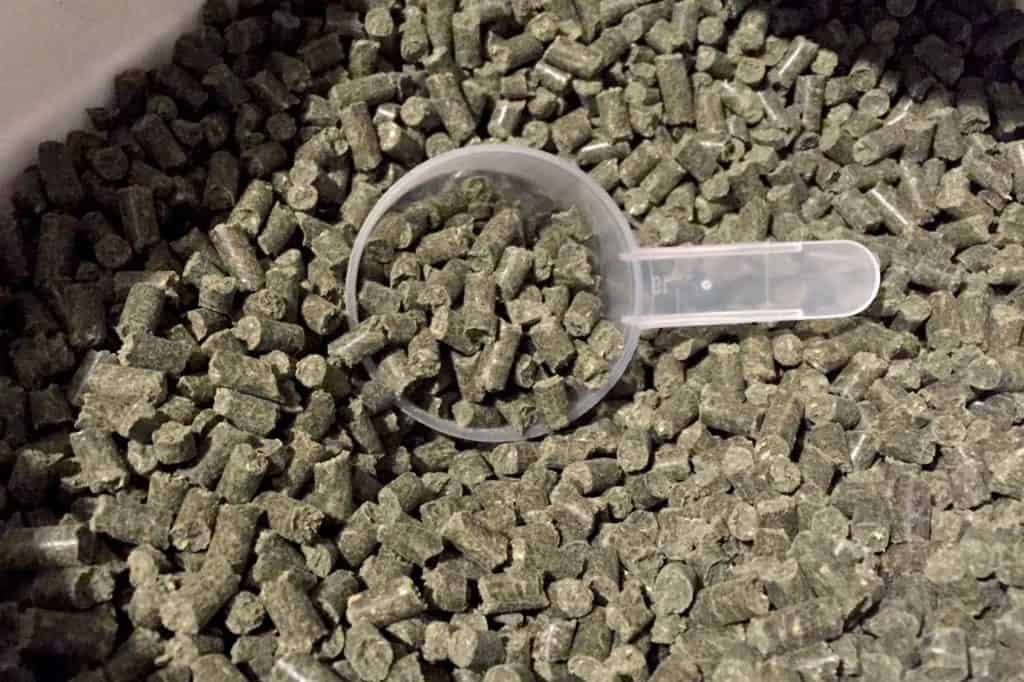
Researchers investigated if two common joint supplement ingredients contribute to worsening gastric ulcer scores in horses.

By cutting the DDFT, veterinarians can stop one of the forces that pulls on the coffin bone during laminitis.

CBD is becoming increasingly popular. However, a veterinarian turned attorney warns equine practitioners to tread cautiously when it comes to discussing CBD products with clients.

With risk assessments and appropriate mitigation, the British Equine Veterinary Association notes vets should be able to carry out work that is essential to support horse welfare and the horse industry.

To help horse owners better understand MRI, we’ve scoured our archives and collected 10 resources about this diagnostic modality and some of the ailments it can help identify, all available to you free on TheHorse.com.

A review of research into laminitic pain in horses found veterinarians rely on a multimodal approach for pain management.