2019 Havemeyer Workshop Panelists Focus on Equine Colic
Veterinarians discussing the Havemeyer Workshop while at the AAEP convention covered fluid therapy, NSAID use, and more.

Veterinarians discussing the Havemeyer Workshop while at the AAEP convention covered fluid therapy, NSAID use, and more.

A veterinarian describes conventional and alternative therapies for helping tendons and ligaments heal.

Something on the X rays looks a bit off—is it significant or of no consequence? It depends on what you find.

Patrick Reilly, chief of farrier services at the University of Pennsylvania School of Veterinary Services, describes techniques for trimming navicular syndrome horses to make them more comfortable.
The Right Horse Initiative received The Lavin Cup in recognition of the nonprofit organization’s innovative approach to solving the growing problem of horses in transition in the United States.
The former owner of Littleton Equine Medical Center has mentored countless interns and visiting horse veterinarians.
Prolific equine internal medicine and infectious disease researcher and educator was recognized Dec. 10 for his contributions.
Dr. Sarah Reuss, a professional services veterinarian currently based in Philadelphia, will serve through 2022.
Dr. Amanda House was installed during the Dec. 10 President’s Luncheon at the AAEP’s 65th Annual Convention.
The Colorado State University orthopedic researcher and previous President’s Award recipient was installed Dec. 10.
The Foundation for the Horse presented these awards on Monday during the AAEP’s 65th Annual Convention.
The grant will support investigation of equine tendon rehabilitation.
Pezzanite was named the American Association of Equine Practitioners’ (AAEP) Past Presidents’ Research Fellow for her investigative efforts into new ways of treating multidrug-resistant infections.
Mason is honored for her commitment to at-risk horses in West Virginia by way of strengthened animal cruelty laws and increased enforcement in the state.
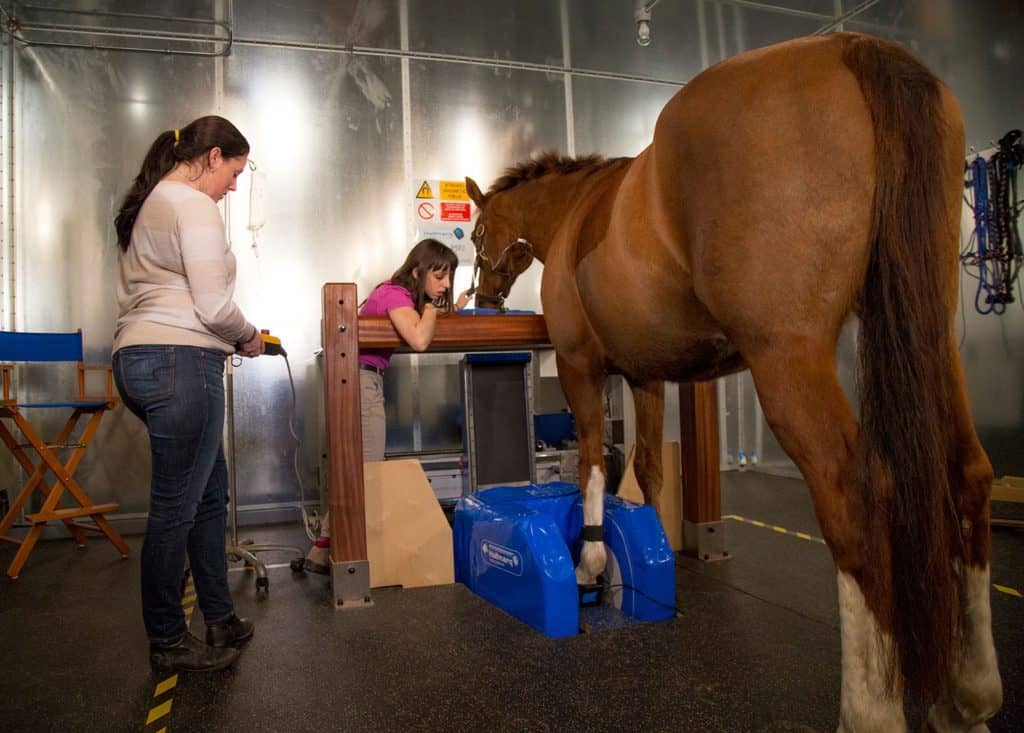
Here’s what we know and are learning about defining, diagnosing, and treating this painful foot disease.

Researchers looked at donkeys’ unique hoof care needs. Here’s what they recommend.