Accelerating Medical Progress on Equine Lameness
One researcher describes the promising progress that’s been made in lameness diagnosis and treatment.

One researcher describes the promising progress that’s been made in lameness diagnosis and treatment.

The good news is that many of the laminitis risk factors researchers identified can be detected early and modified.

Vets can glean crucial information by evaluating horses with performance issues in hand, on the longe, and under saddle.
New methods to facilitate cancer diagnosis in horses as early, simply, and accurately as possible are needed.

Researchers found that MRI images of bone thickness could provide critical information about fracture risk.

Researchers investigated oral esomeprazole and a long-acting injectable omeprazole formulation.

Veterinarians discuss how they diagnose and treat injuries to the collateral ligament, DDFT, navicular bursa, and more.

Mares had higher pregnancy rates per cycle as sperm numbers and number of inseminations per cycle increased.

Gene variations in individual horses can result in an unexpected color for a certain breed or mating.

Foal size (and, indirectly, sex) appear to contribute to dystocia, especially among mares in New Zealand.

Scientists tested whether estradiol-17B, progesterone, alpha fetoprotein, and/or serum amyloid A could predict abortion.
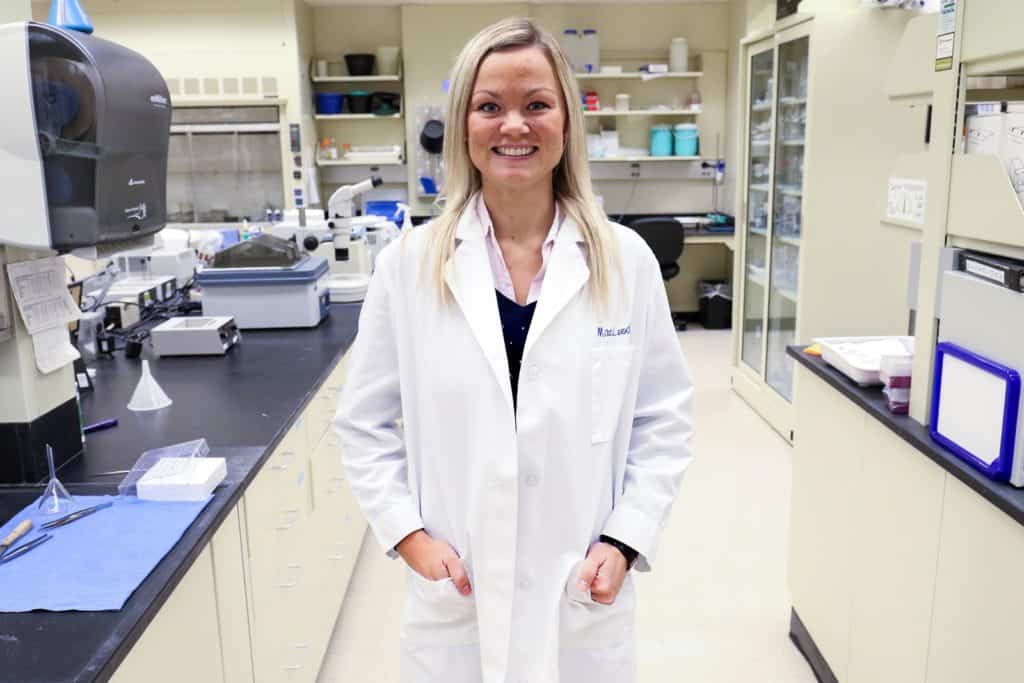
Jasmin Bagge, DVM, is studying the use of stem cells to facilitate tissue repair following injury in horses.

Donkeys are commonly diagnosed with sarcoids. Other common horse tumors, however, are not prevalent in donkeys.
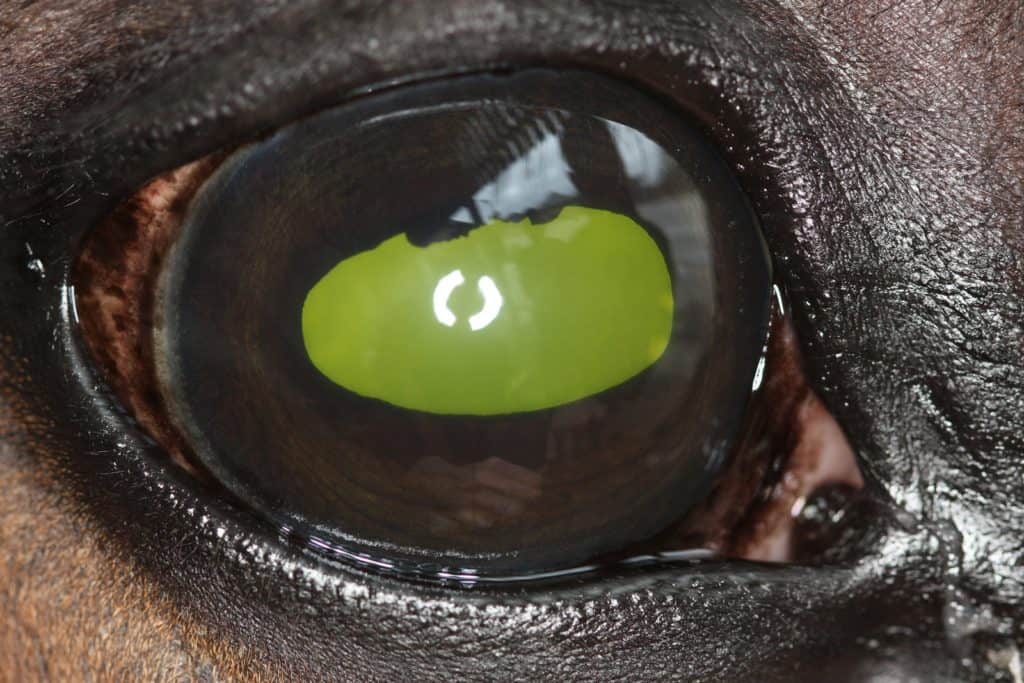
This vision-threatening condition often doesn’t become clinically apparent until late in the progression of the disease.

Scientists in Hong Kong validated a “dilute-and-shoot” test that can check for more than 40 difficult-to-detect drugs.
Convention attendees flocked to Orlando, Florida, from across the United States, Canada, and 46 other countries.