Monday’s Top Tweets from the 2016 AAEP Convention
Tweets and take-homes from sessions on biosecurity, equine collapse, MRI, industry issues, and more!

Tweets and take-homes from sessions on biosecurity, equine collapse, MRI, industry issues, and more!
Dr. Bill Moyer’s advancements in treating equine foot disorders make him an authority on lameness issues.
Five vet students committed to careers in equine medicine each received $5,000 scholarships.
Dr. Katarzyna Dembek is studying how hypothalamic, pituitary, and adrenal hormones relate to disease in newborn foals.
Dr. Canaan Whitfield-Cargile is examining the role of microbiota in equine gastrointestinal healing.

Tweets from the Kester News Hour and other sessions on dental care, soft tissue injuries, saddle fit, and more.
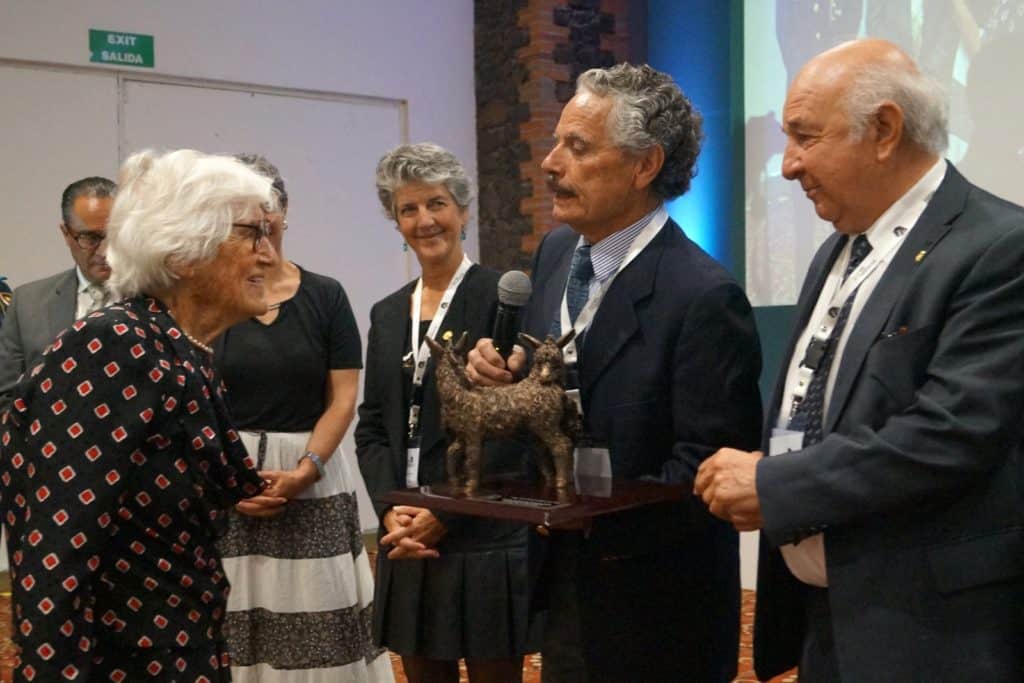
The event’s focus was equine welfare in honor of Dr. Aline Schunemann de Aluja, a pioneer of equine welfare in Mexico

How do cheesecake, gelatin, and penicillin relate to a treatment for strangles? Dr. Anna Kendall explains.

Androgen receptor gene mutations can make a male fetus develop as a structurally sound filly, at least on the outside.

Find out how veterinarians and farriers rely on imaging to evaluate the horse’s hoof.
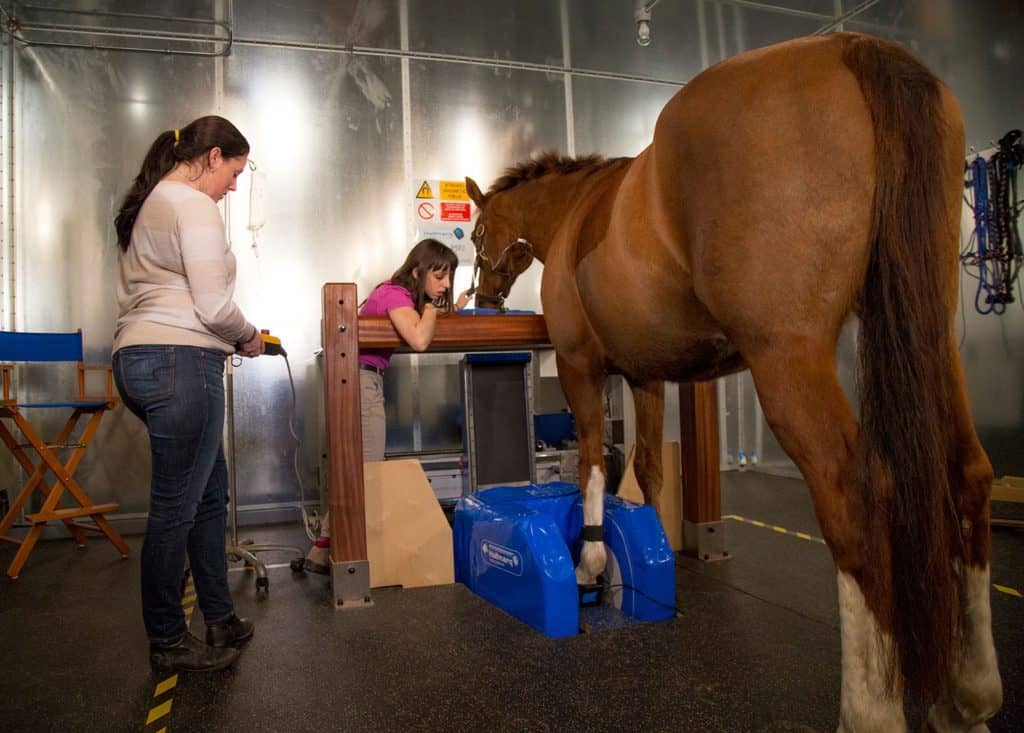
Take a look at the evolution of diagnosing distal limb lameness in sport horse practice with Dr. Brendan Furlong.

Researchers hope to track the progress and prevalence of radiographic abnormalities in yearling Thoroughbreds.

A seemingly minor ulcer can lead to the loss of vision or the eye itself if complications arise. Here’s what to know.

Veterinarians can keep diagnostic costs lower by using as much information from routine tests as possible.

A farrier explains what a “normal” horse hoof is supposed to look like and how it affects shoeing.

In one study 15 affected horses presented with a sudden change in ridden behavior, but only one had a history of trauma.