Researchers Evaluate Henderson Equine Castration Instrument
The Henderson equine castrating instrument resulted in a low complication rate, especially among younger horses.

The Henderson equine castrating instrument resulted in a low complication rate, especially among younger horses.

Researchers are studying and using everything from MSCs to PRP and ACS to BMPs. Here are the basics you should know.

Researchers determined that administering subconjunctival allogeneic stem cell injections to horses appears safe.

Learn how veterinarians can use these methods in concert to diagnose colic in horses.

The medication’s half-life was longer and clearance was lower in foals compared to adult horses, researchers determined.

Researchers determined that tiludronate is safe to use in horses as directed.

Researchers determined that reduced estrogen levels in late pregnancy do not affect pregnancy outcome.

Horses with concurrent deep digital flexor tendon lesions were four times more likely to become lame again post-surgery.

Bone is a vital tissue that’s densely packed with specialized cells and supplied with a rich network of blood vessels.
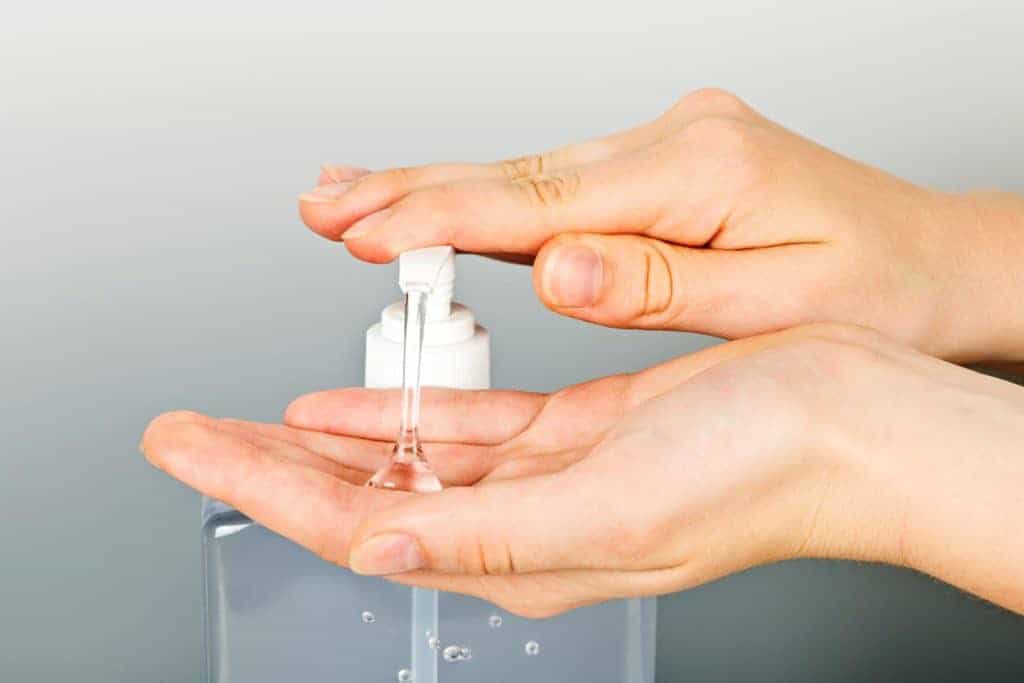
A veterinarian reviews proper hand hygiene techniques to help prevent equine disease spread during exams and procedures.

Mustangs require care different from the average domestic saddle horse. Here’s how vets manage BLM horses’ health.
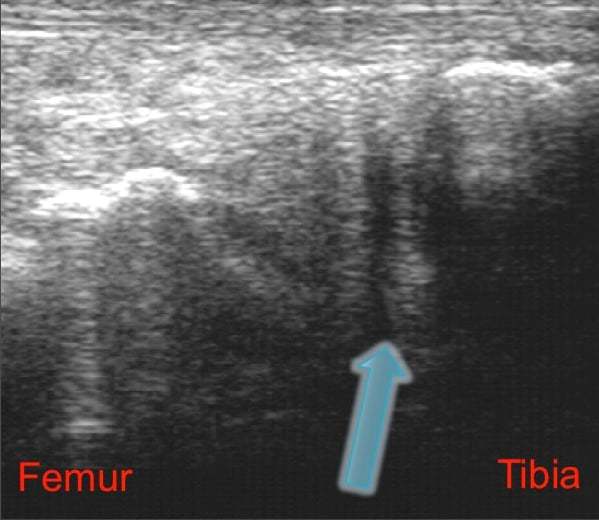
Researchers determined that using both modalities can help vets increase their diagnostic and prognostic capabilities.

Researchers found that one supplement was not inferior to omeprazole in several areas in their study.

Underwater treadmill therapy can significantly improve balance control in horses with osteoarthritis.

Deworming protocols have changed radically over the past decade. Here’s what you should consider.
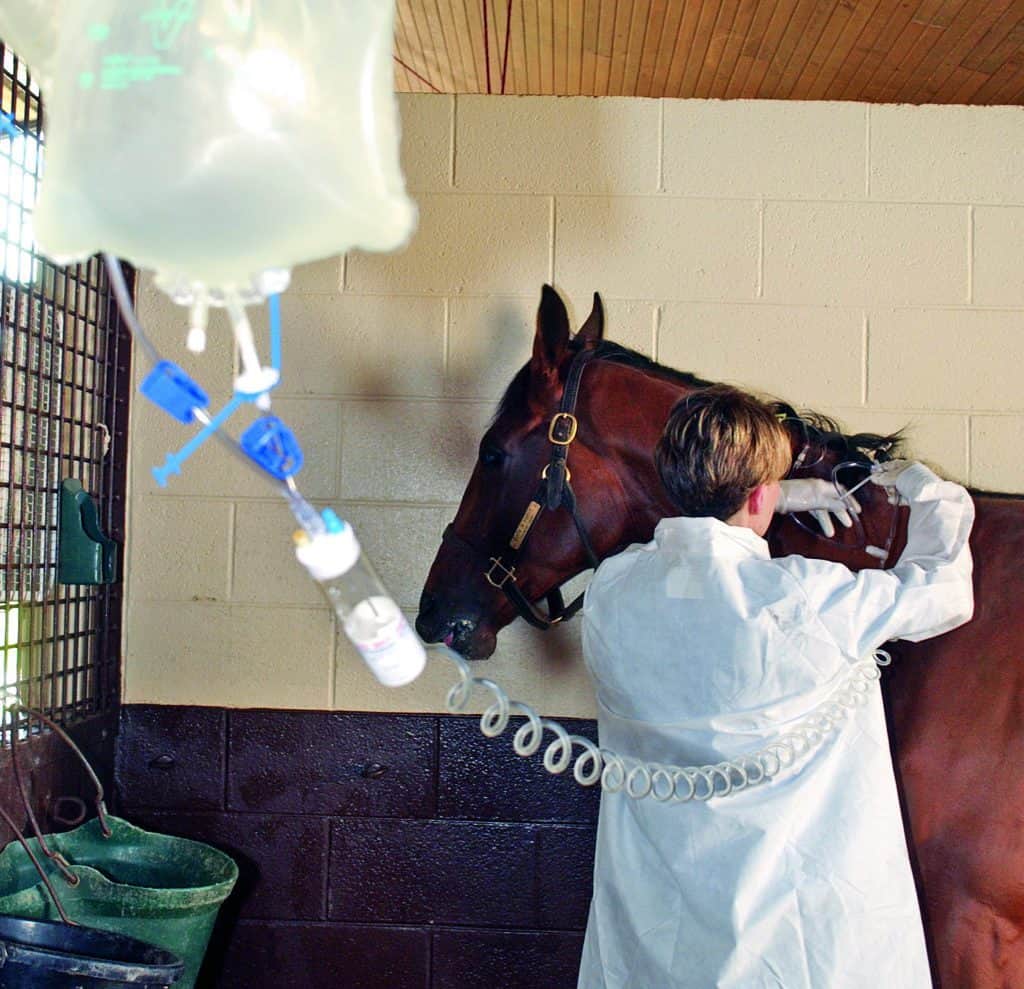
The three main types of medical treatment for colic include fluid therapy, laxative administration, and pain management.