Vestibular Disease in Horses Reviewed
Vestibular diseases are common and important causes of neurologic problems in horses.

Vestibular diseases are common and important causes of neurologic problems in horses.

A study examines the effects of P. acidilactici and S. boulardii-based probiotics on horses.

A two-tier series of tests can help equine practitioners confirm a PPID diagnosis, one veterinarian said.

One veterinarian says many cases of early embryonic death (EED) are probably not preventable.

Stem cells and other biologic therapies could have reproductive applications in horses, one researcher says.
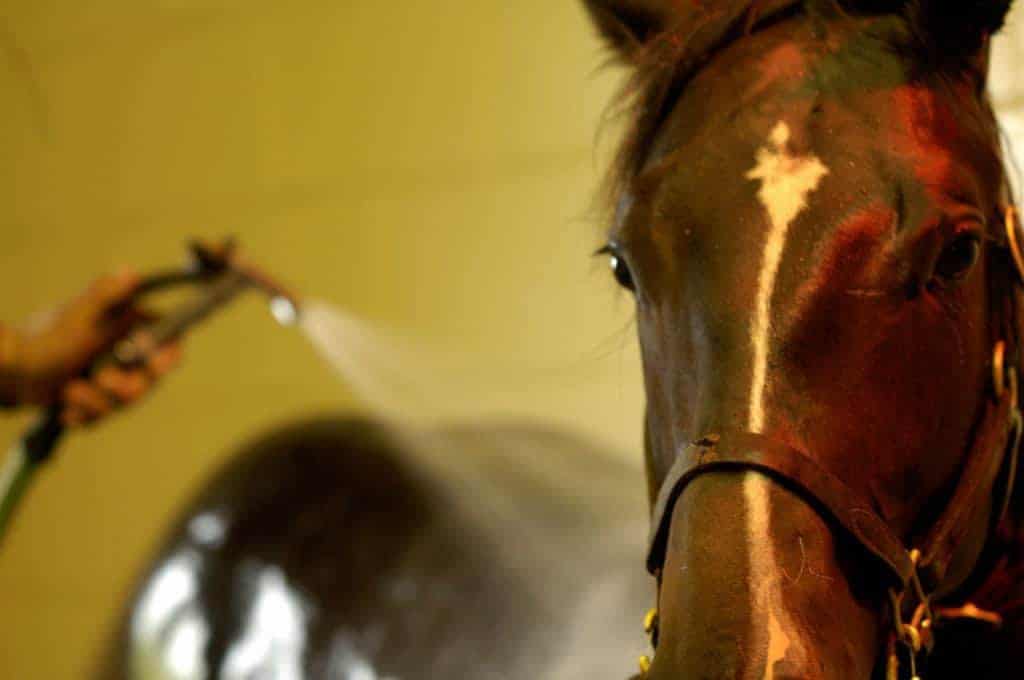
One veterinarian reviews equine hyperthermia and hypothermia and how to best manage affected horses.

One veterinarian described the steps involved in conducting an ultrasound examination of the equine lungs.
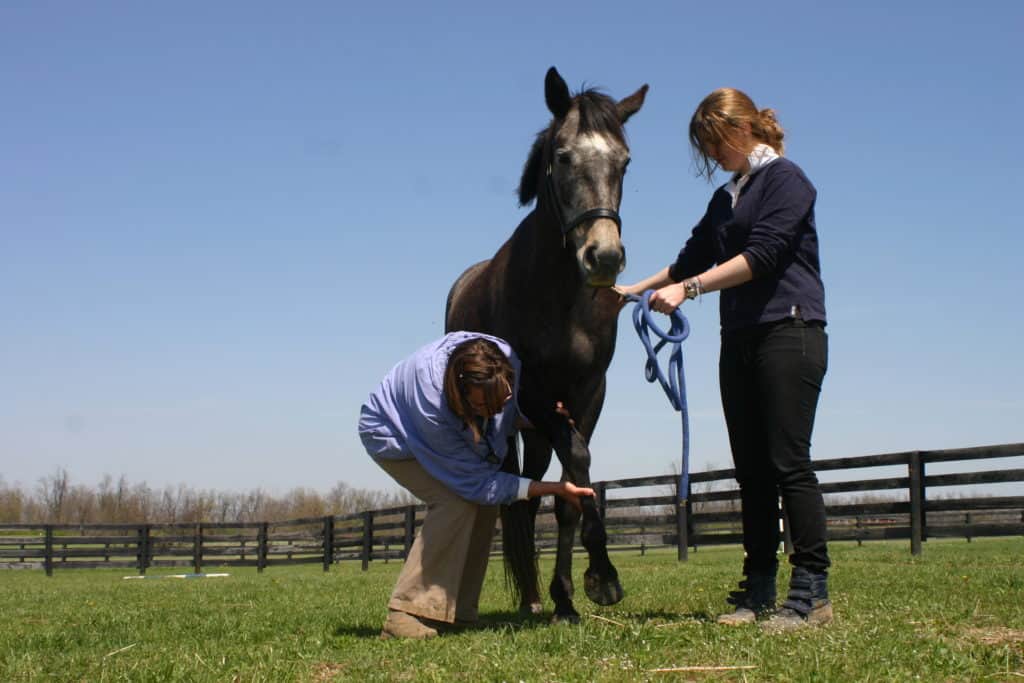
One vet reviews EPM’s variable clinical signs and the current diagnostic and treatment options available.

Potentially life-threatening postpartum complications in the mare can arise for up to two weeks after foaling.

When administering equine joint injections, veterinarians must take steps to minimize the risk of infections.

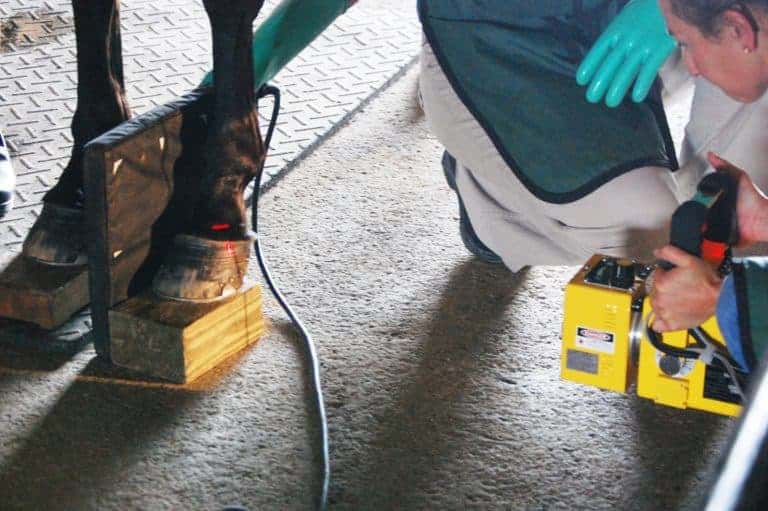
How a horse is positioned while X rays are taken significantly affects joint balance, researchers say.
One vet reviews some key points equine practitioners must consider before implementing field anesthesia.

Stem cell therapy has evolved rapidly as a treatment approach in equine veterinary medicine.

One researcher describes how practitioners can monitor pregnant mares to minimize reproductive losses.

Researchers evaluated sample handling and storage time’s effects on CO2 concentrations in horse blood plasma.
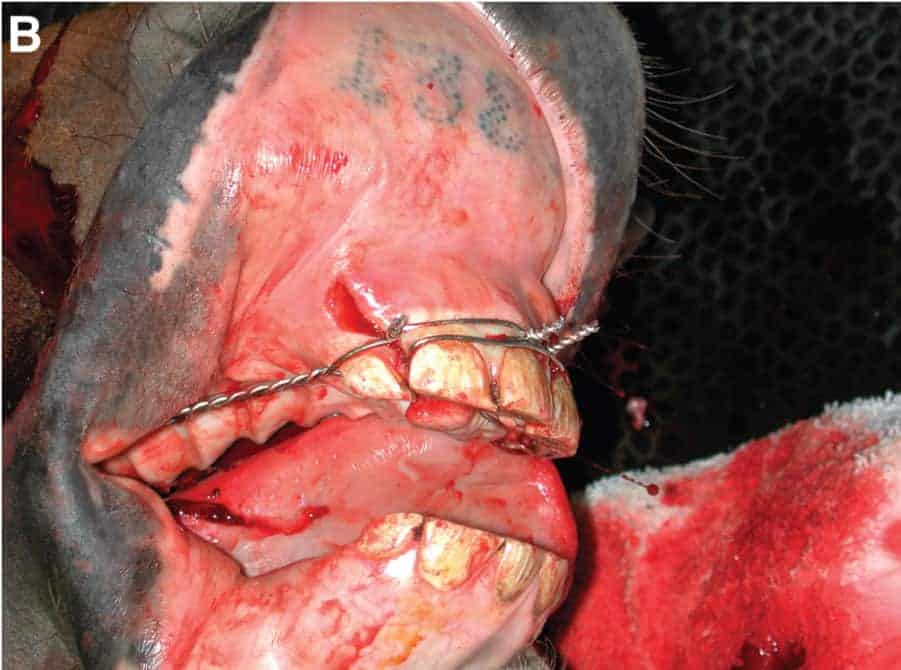
Knowing how to manage head injuries allows vets to provide quality care when faced with an ailing horse.