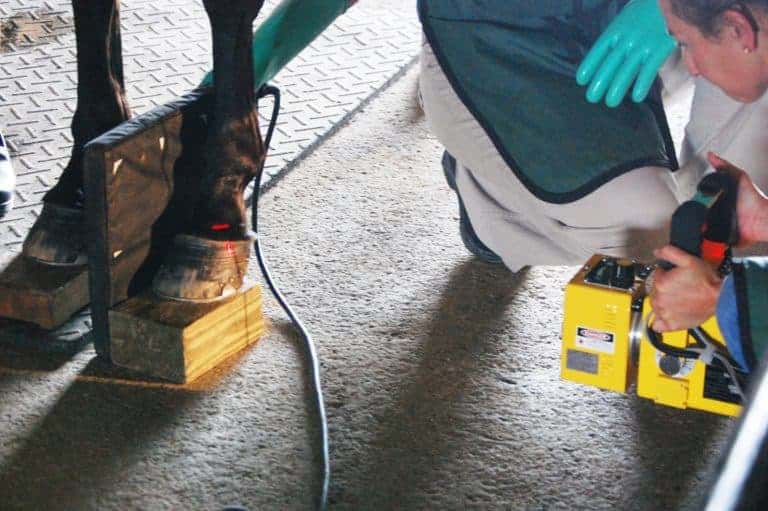
What to Consider Before Tooth Removal in Horses (AAEP 2012)
Before extracting a horse’s tooth, owners and veterinarians must consider a number of important factors.

Before extracting a horse’s tooth, owners and veterinarians must consider a number of important factors.
WEVA has announced the final program for the biennial congress in Budapest, Hungary, taking place Oct. 3-5.

As a licensed profession, veterinary medicine is subject to regulation at the state government level.

Researchers are closer to helping owners and trainers identify if a horse is at risk for soft tissue injury.

One vet says to consider wobbler syndrome as a diagnosis for aged horses with neurologic signs and neck pain.
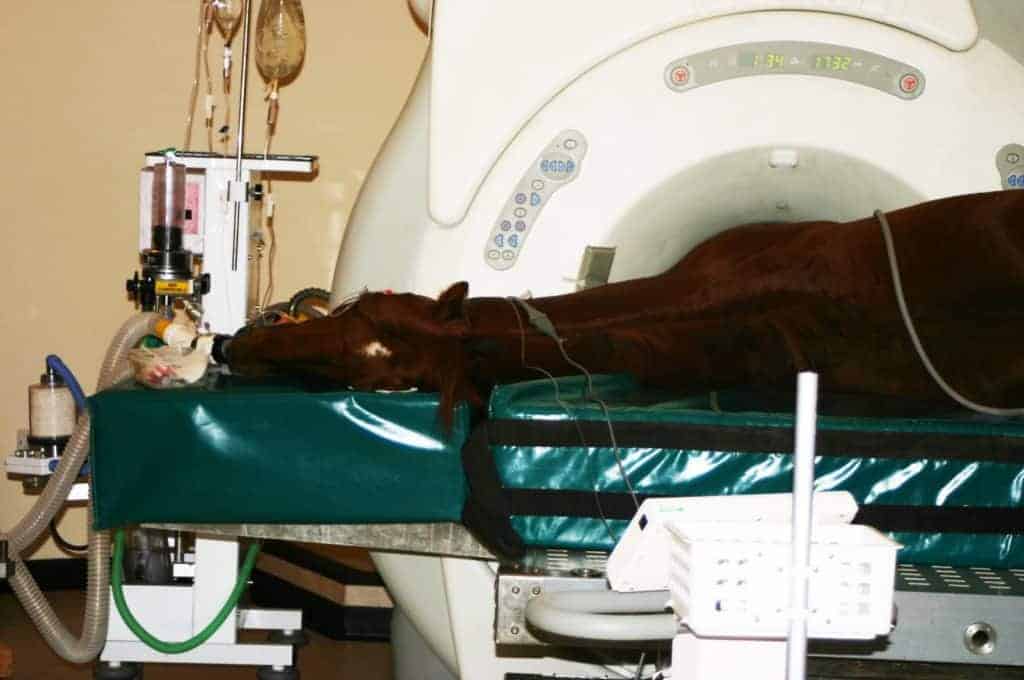
Researchers say MRI is invaluable for identifying suspensory ligament lesions and sesamoid bone damage.

Researchers evaluated a new method that could help vets monitor joint infections’ response to treatment.

Choosing a specific stem cell source could maximize treatment efficacy, improving horses’ recovery chances.

Researchers evaluated how blood collection tube size impacts total plasma carbon dioxide (CO2) concentrations.
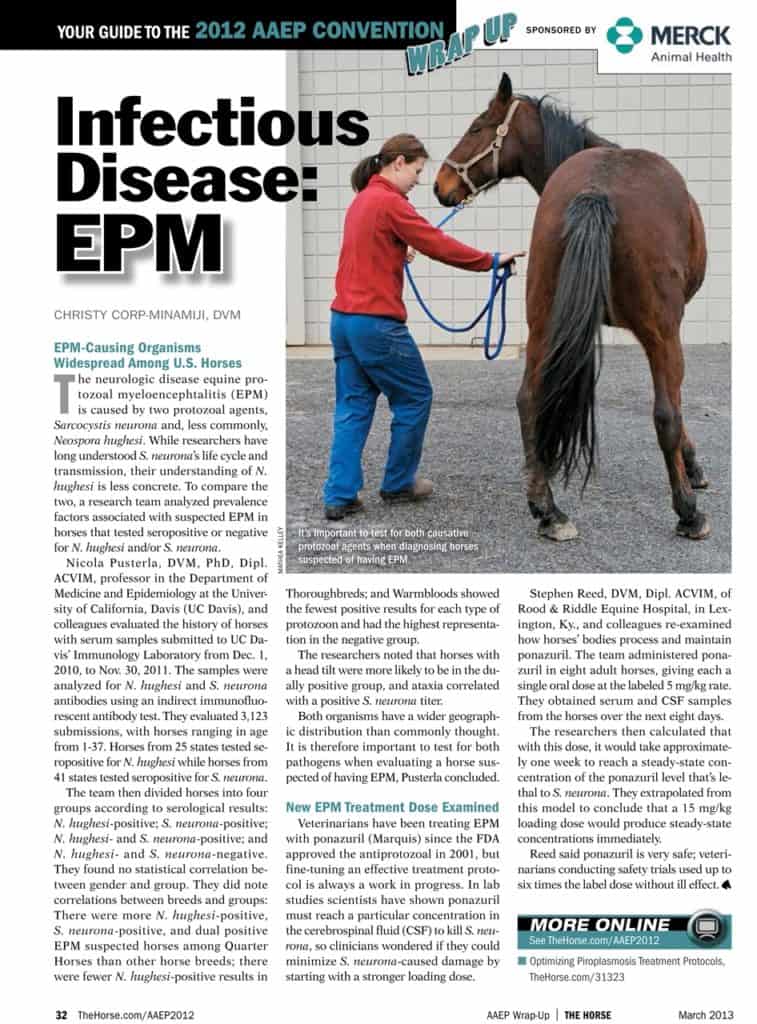
Learn about the organisms that cause equine protozoal myeloencephalitis (EPM) and treatment options for the disease.
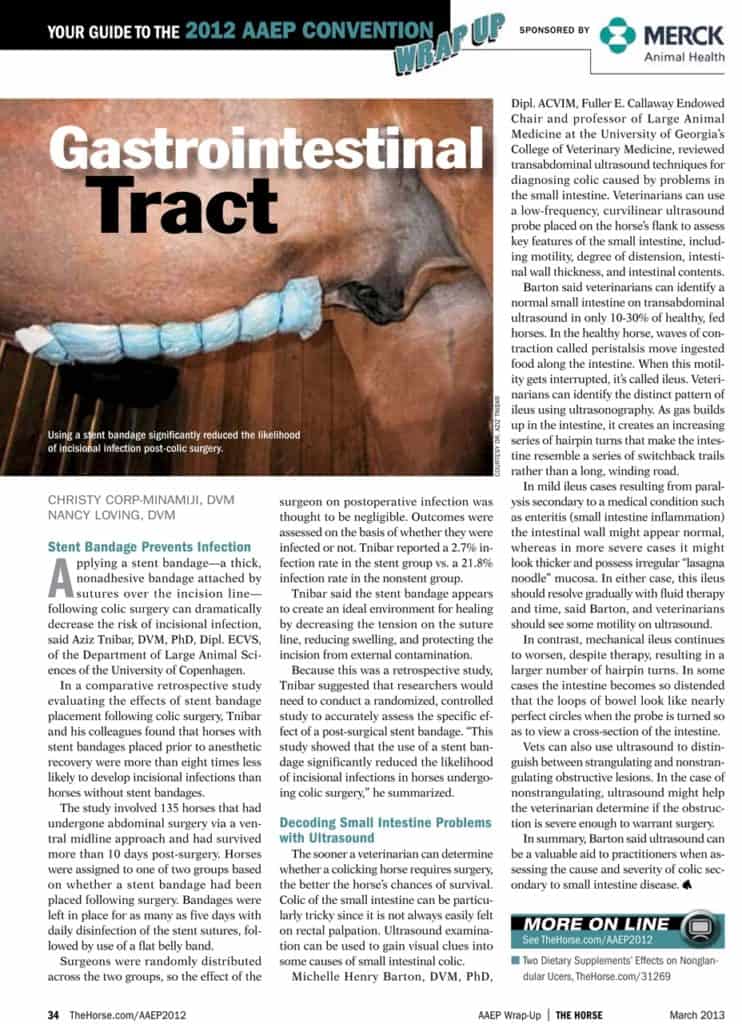
Topics include post-colic stent bandages to prevent infection and decoding small intestine problems with ultrasound.

Learn about the veterinarian’s role in barn fire prevention and emergencies; managing dehydration and exhaustion; and preventing medication mishaps.
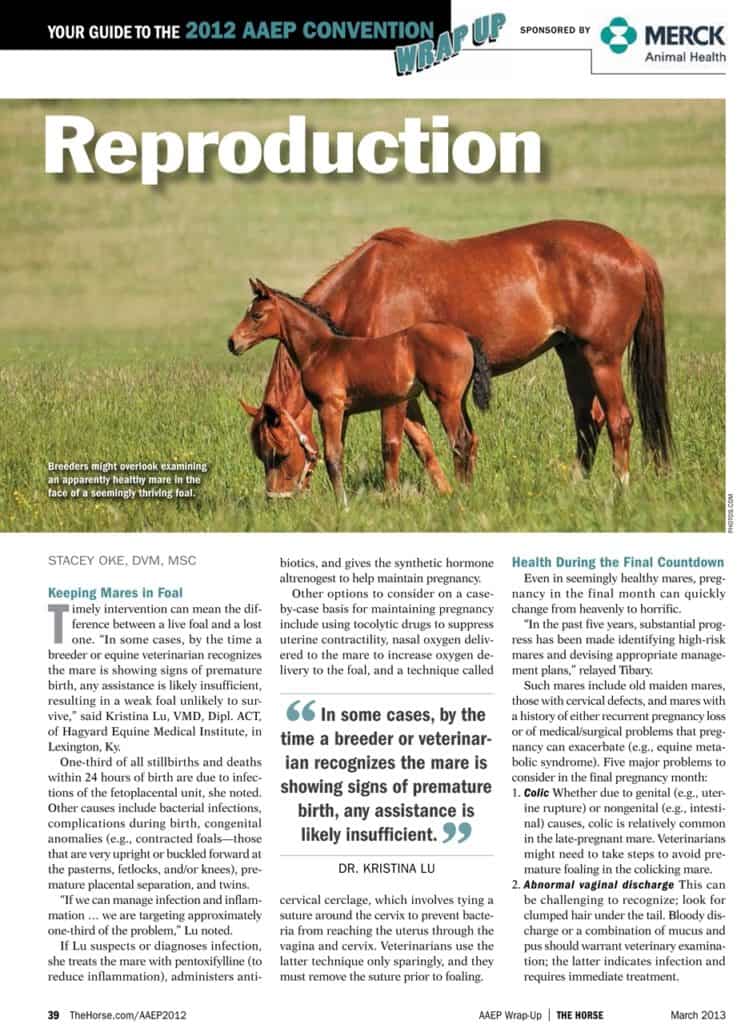
Topics include keeping mares in foal, metabolic syndrome and pregnancy, treating fungal infections in mares, and more.
Tooth extractions don’t always go as planned, so practitioners must be ready for potential complications.

Learn about the newest research and information about therapeutic joint injections for horses, including hyaluronan (HA), site prep, corticosteroids, infection, and more.

Learn the newest information about stem cell therapy for mare uterine inflammation, superficial digital flexor tendon injuries, and more.