Clinical Outcomes of Large Intestine Thickening (AAEP 2011)
Researchers find large intestinal thickening could indicate multiple diseases in addition to colic.

Researchers find large intestinal thickening could indicate multiple diseases in addition to colic.
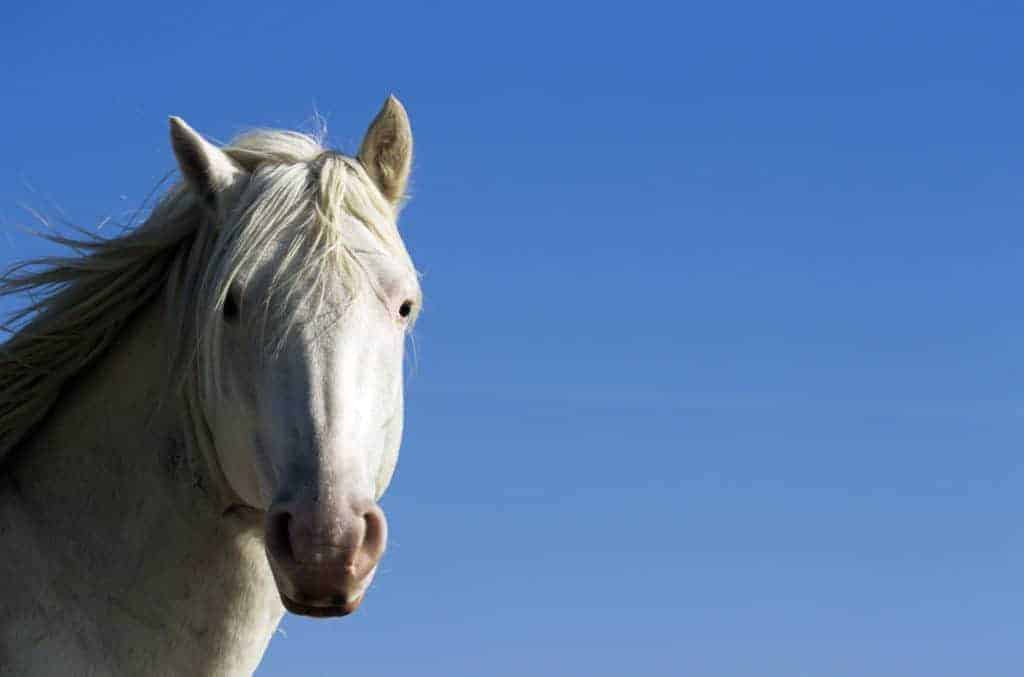
Horse owners benefit from an understanding what goes on in a horse’s brain, according to one veterinarian.

Vets examined upper airway obstruction in horses being ridden and when displaying “normal” head carriage.

Even when NSAIDs are used appropriately, the drugs can still prove damaging to the patient.

The new test correlated well with the conventional insulin-sensitivity test and it was repeatable.

One researcher says that it is very rare to see a spontaneous quarter crack not associated with sheared heels.

An equine surgeon described an improved casting technique to reduce cast complications.

Researchers recently examined whether diagnostic anesthesia could skew the results of equine foot MRIs.
Inflammatory airway disease is a top cause of decreased performance and affects up to 50% of equine athletes.
A recent study showed anti-Mullerian hormone levels is a useful test for detecting granulosa cell tumors.

Research indicates that combining NSAIDs achieved no better results than using either drug alone.
Researchers found that MRI more accurately identified compression in CSM horses compared to radiographs.

Researchers and veterinarians are still working to better understand both the etiology and the disease itself.
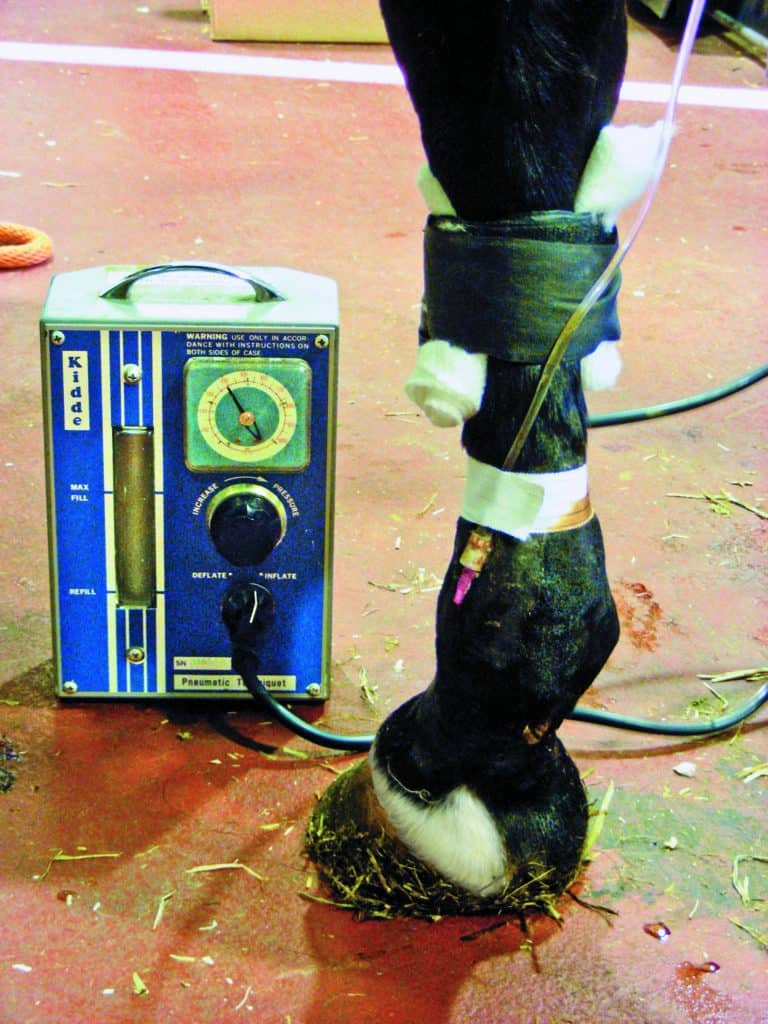
Regional limb perfusion can be performed safely, effectively, and comfortably without general anesthesia.

The buffered chelators had no deleterious effects on the endometrium or the establishment of pregnancy.
The team measured anti-Mullerian hormone in the blood to successfully diagnose chryptorchidism.