Dermatitis in Horses: Allergic and Infectious
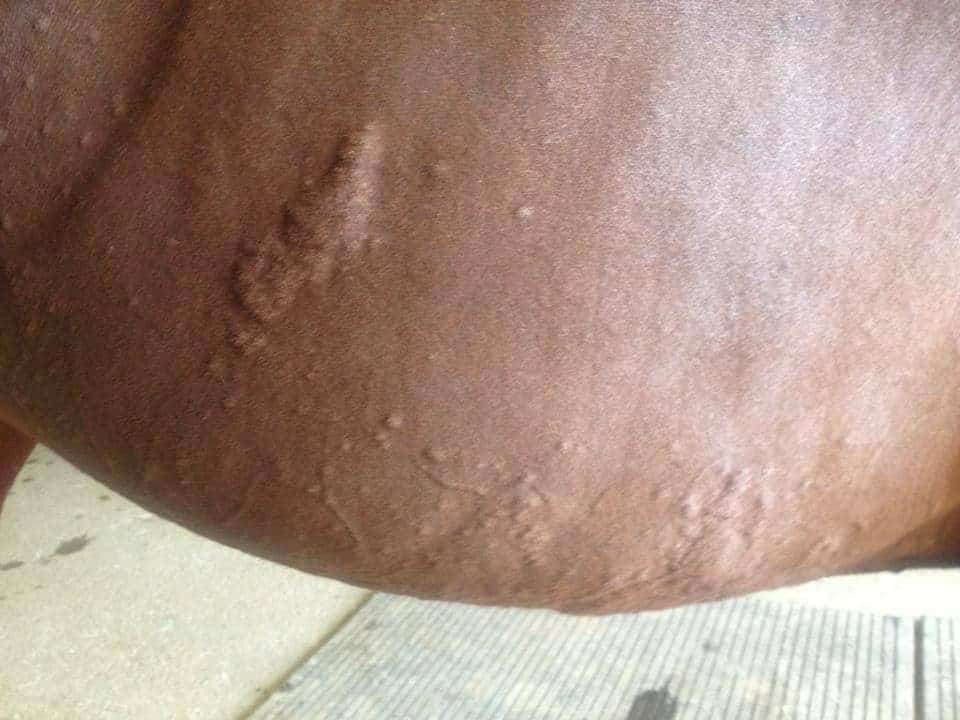
Dermatitis–simply, skin inflammation–is relatively common in horses, whether its cause is an allergic

Dermatitis–simply, skin inflammation–is relatively common in horses, whether its cause is an allergic
An EHV-1 case reporting system developed by the AHC, AAEP, and USDA:APHIS:VS is now in place.
The American Association of Equine Practitioners’ to host joint meetings, “Focus on Colic” and “Business
There’s nothing more heart-wrenching than watching a newborn foal fight for his life.
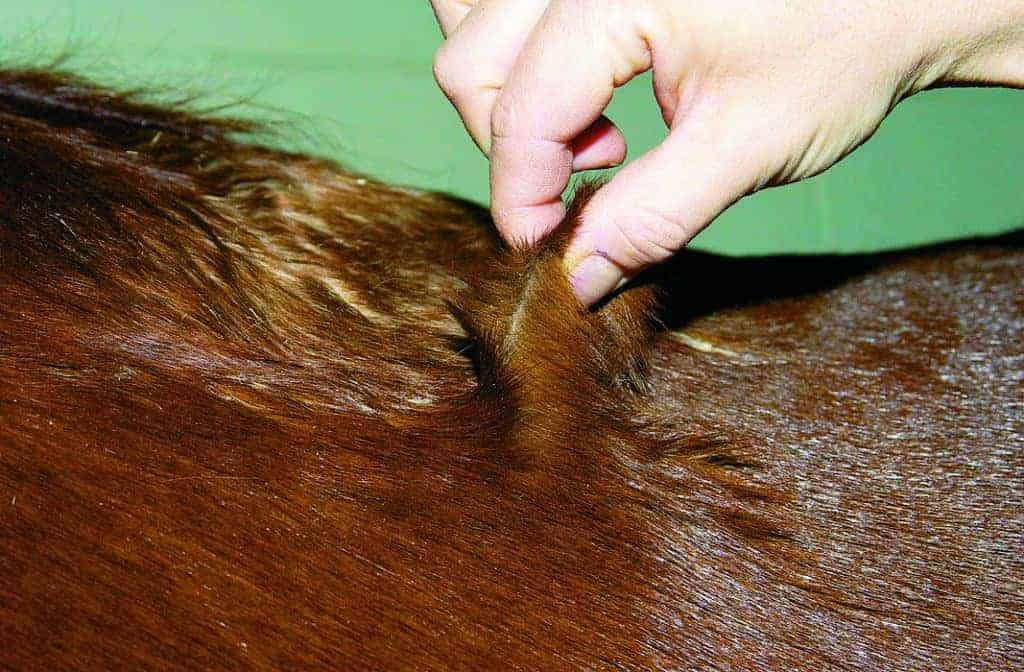
Some skin conditions in horses are caused by fungus and bacteria, while others are caused by external factors
The 12th WEVA Congress is scheduled to be held in the historic city of Hyderabad, India, Nov. 2-6, 2011.
The American Association of Equine Practitioners (AAEP) has expressed concern with “very broad language” in federal legislation geared toward use of performance-enhancing drugs in racehorses. The legislation, introduced in Congress May 4, apparently
The American Association of Equine Practitioners (AAEP) Foundation will host the 10th International Equine Colic Research Symposium, July 26-28, 2011, in Indianapolis, Ind. The symposium, held every three years, alternating between Europe and North
The equine gastrointestinal system is extensive, with the small intestine measuring 70 feet in length alone. Because the small intestine coils throughout the abdomen, diagnosing a specific lesion in the small intestine is extremely challenging for
The American Association of Equine Practitioner’s (AAEP) Foundation is demonstrating its commitment to using gifts effectively through a new online resource. As one of the early adopters of GoodGiving.net, the AAEP Foundation has partnered with the
The Racing Medication and Testing Consortium (RMTC) board of directors announced April 21 that it will join the National Thoroughbred Racing Association (NTRA) and American Association of Equine Practitioners (AAEP) in organizing an international
The year 2011 marks the 250th anniversary of the so-called “modern” veterinary profession.
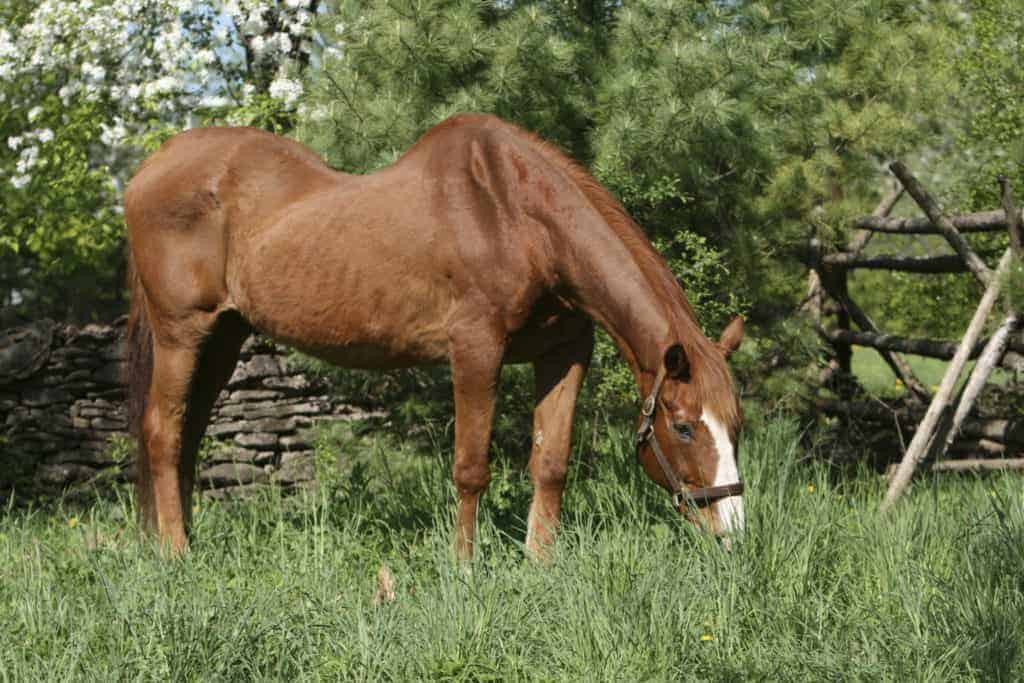
Clearly defined diagnostic criteria could help veterinarians detect BFS earlier and more accurately.

The starry sky pattern is an unusual and dramatic ultrasonographic appearance of the equine liver.
Extracorporeal shock wave therapy is an increasingly popular treatment method for equine injuries. During a presentation at the 2011 Western Veterinary Conference, held Feb. 20-24 in Las Vegas, Nev., Scott McClure, DVM, PhD, Dipl. ACVS, of Iowa
Veterinary students are often taught that dogs are three-legged animals with a spare. It might be surprising to some that the same adage is a suitable description for horses, too. “In horses where conditions exist that prevent the use of traditional