2016 BEVA Congress Wrap Up
British researchers are studying gastric ulcers, rib fractures, and corneal ulcers, among other important equine health topics.

British researchers are studying gastric ulcers, rib fractures, and corneal ulcers, among other important equine health topics.

Findings suggest blood serum SAA levels could be an earlier indicator of joint infection than synovial fluid SAA levels.

In one study, bacteria in 91.5% of the foals were susceptible to this antimicrobial combination.

Cases of CEM, EHV-1, and more have taught officials how to best prevent and respond to outbreaks.

Vets can use intracytoplasmic sperm injection, oocyte transfer, and cloning to help subfertile mares produce foals.

In one trial, oral acetaminophen was comparable to flunixin meglumine at relieving hoof pain.

Implement appropriate biosecurity measures pre-emptively, as infectious disease is an ever-present risk with horses.

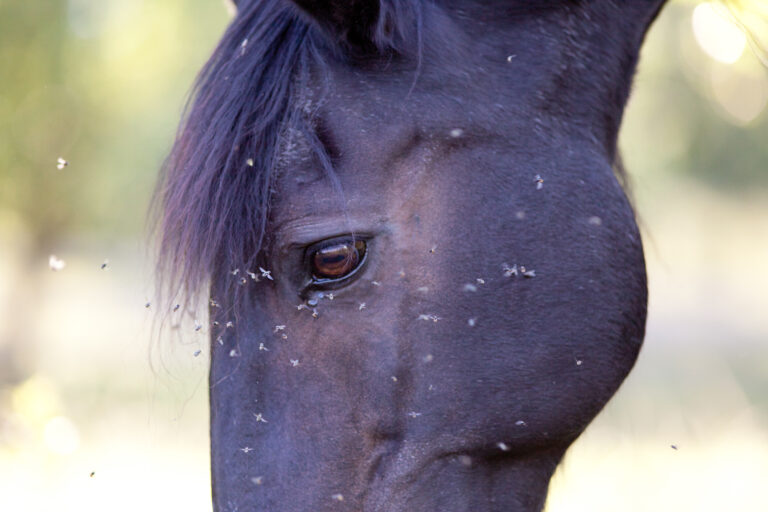
Managing itchy horses can be a perplexing and frustrating challenge. Veterinarians share ideas on how to help.

Have a vet ensure your foal is developing well and your mare is ready for her next mating at her foal heat.

The digital cushion, located in the rear of the hoof, protects the foot’s complex bone and soft-tissue structures.

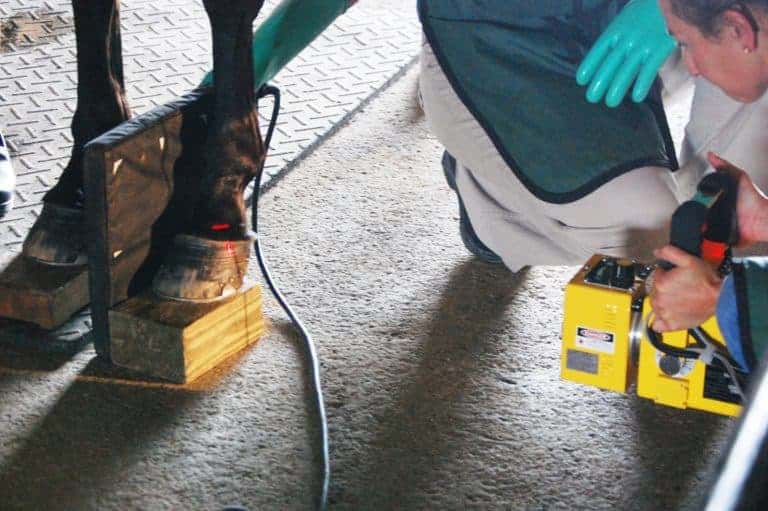
PET scans revealed lesions in bony and soft tissue, some of which weren’t visible on other imaging modalities.

Learn how a veterinarian diagnosed and treated an ethmoid hematoma in a Quarter Horse gelding.

Currently, there are no medications approved by the FDA to control fever in horses.

Practice can and should be ethical, but it’s not always easy. Pressure applied by trainers or owners can be substantial.

Biosecurity, especially for ambulatory practitioners, can present challenges. Here, vets share practical tips.

Dr. Norm Ducharme reviewed how to diagnose and treat airway issues during the Milne lecture at the 2016 AAEP Convention.