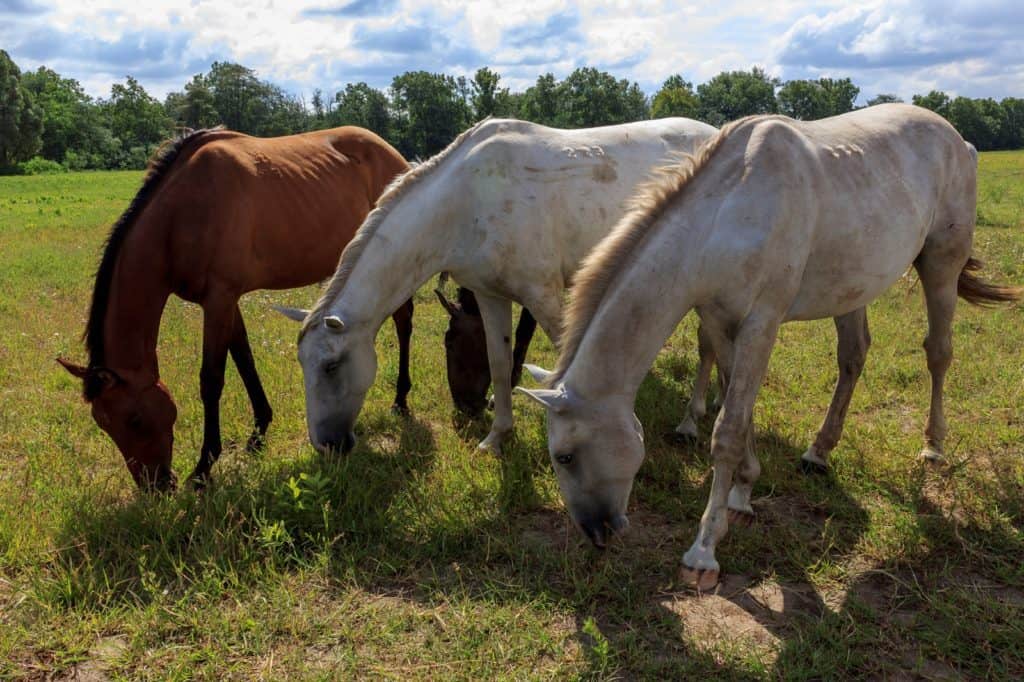
Researchers Look to the Numbers to Improve Equine Welfare
Scientists looked at four years of data to try to predict facilities’ compliance with animal welfare legislation.

Scientists looked at four years of data to try to predict facilities’ compliance with animal welfare legislation.
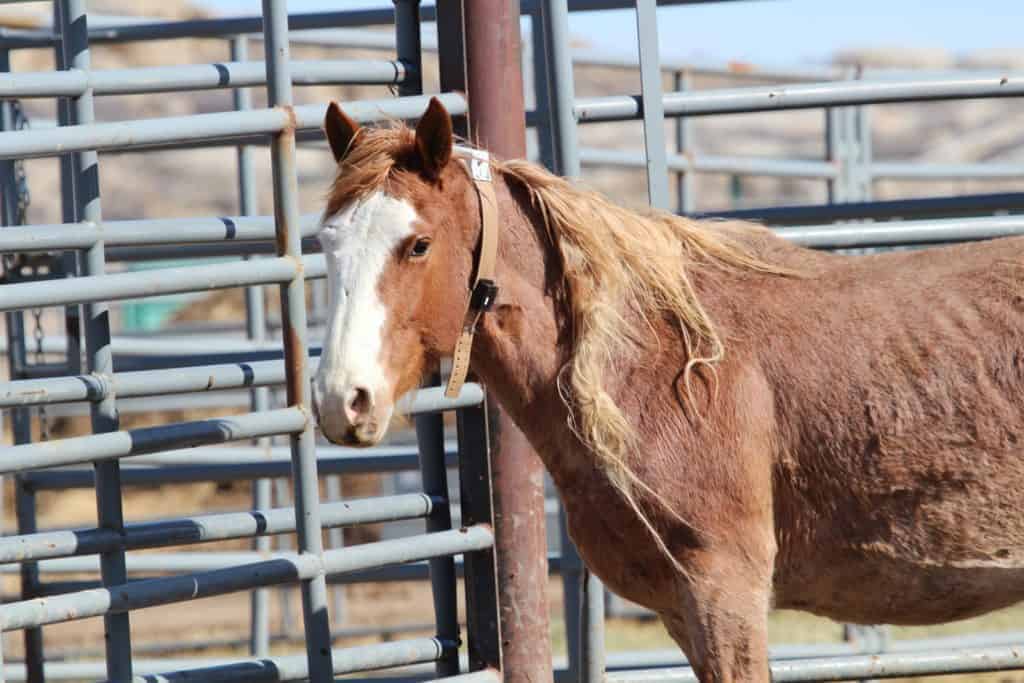
Researchers have placed GPS tracking collars on 14 wild mares and returned them to the range for monitoring.
A horse arriving from Europe produced.a “questionable” blood test result, but tested negative on a retest.

Of the 1,743 respondents, 841 (48%) said their horses’ hooves are trimmed and/or shod every six to seven weeks.
The legislation levy an 8% sales tax on fees charged by veterinarians for any treatment of small and large animals.
An endurance rider received a 30-month suspension while a para-equestrian’s provisional suspension was lifted.
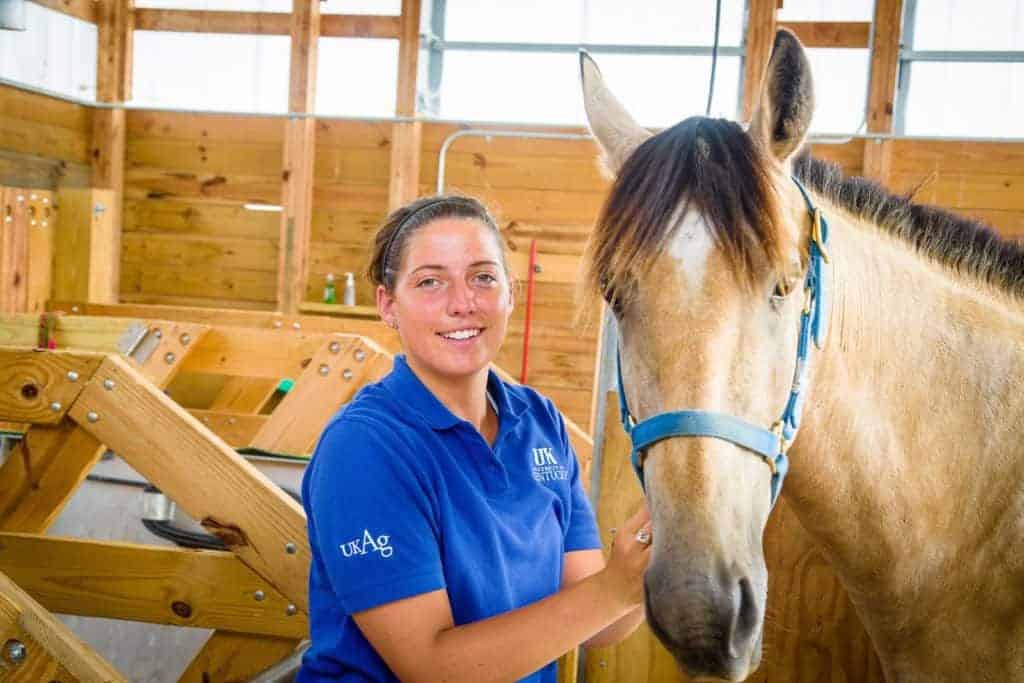
Taylor is studying how Kentucky 31 tall fescue and a novel endophyte tall fescue affect nonpregnant and pregnant mares.
The alliance is designed to establish standards and practices to promote safety and integrity in horse racing.
Authorities are hoping the public can help identify who shot two horses in the Punkin Center community of Morgan County.
The three-minute thesis (3-MT) competition teaches students to communicate about their research in a concise manner.

Scientists are highlighting early 20th century studies and Japanese researchers who were well ahead of their time.

Dr. Shavahn Loux is studying mares’ microRNA population during normal gestation and experimentally induced placentitis.
The meeting and National Issues Forum will take place June 11-14 in Washington, D.C.
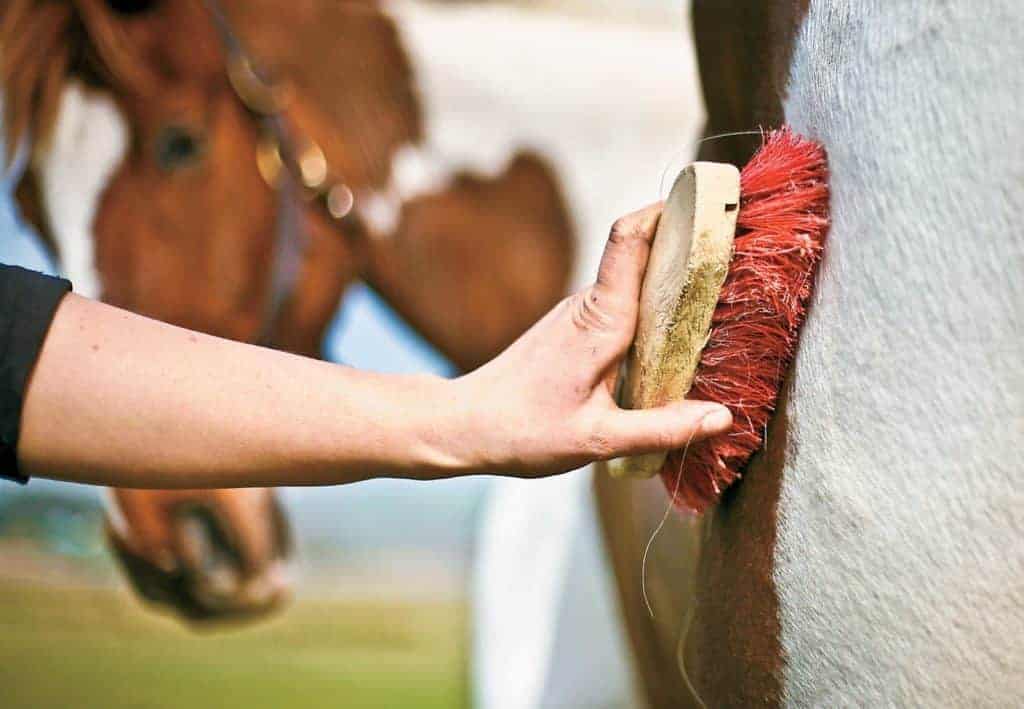
Of the 1,106 respondents, 866 (78%) said they curry or groom their horses to help them shed their winter hair coats.
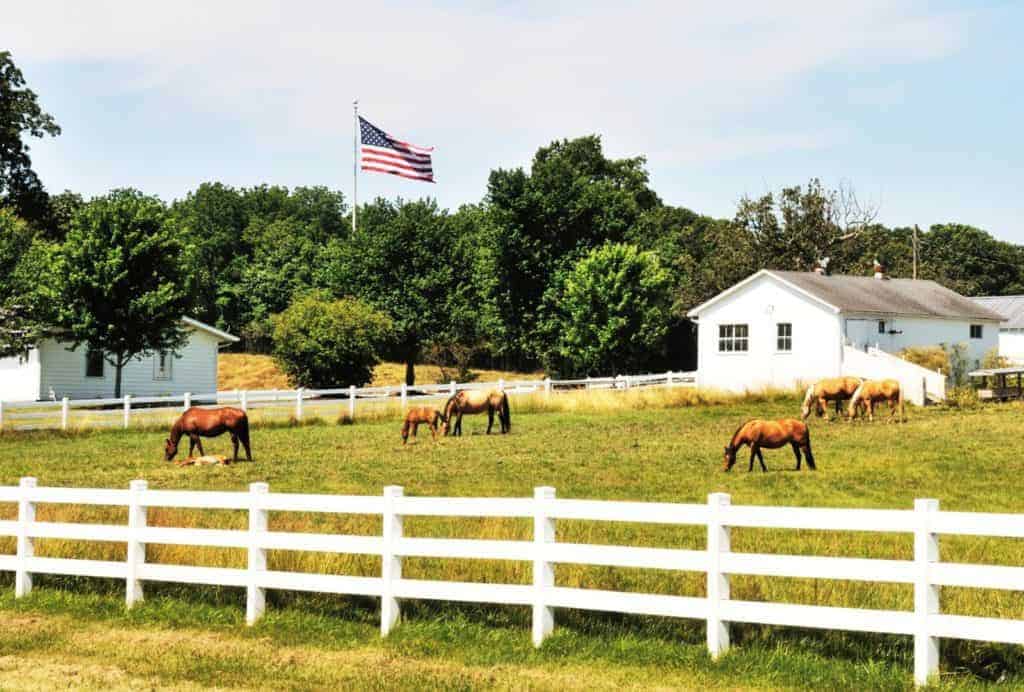
The American Horse Council will begin collecting data on April 1.

British horse owners and keepers are urged to take part in the National Equine Health Survey from May 22-29.