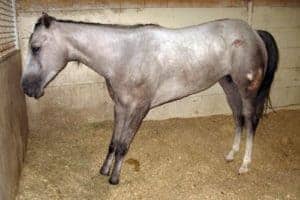
Mules stand apart from other equids, with distinct strengths, quirks, and health needs. Yet veterinarians diagnosing metabolic conditions such as equine metabolic syndrome (EMS) and pituitary pars intermedia dysfunction (PPID, formerly called equine Cushing’s disease) have relied on reference values developed for horses. At the 2025 American Association of Equine Practitioners Convention, held Dec. 6-10, in Denver, Colorado, Elaine Norton, DVM, MS, PhD, Dipl. ACVIM-LA, presented summertime metabolic reference values created specifically for mules.
Norton defined these while she was an assistant professor in the Animal and Comparative Biomedical Sciences at the University of Arizona, in Tucson. Now she is an assistant professor at Mississippi State University’s College of Veterinary Medicine, in Starkville.
Mules and Metabolic Disorders
Conditions such as EMS and PPID can affect any equid, and mules are at high risk for developing EMS, so experts recommend more frequent testing in this population. They have a multifactorial metabolic risk with factors including diet, exercise, and maternal breed (mules are the hybrid offspring of a male donkey and a mare). But because mule‑specific research has been limited, it’s been hard for veterinarians to know whether a mule’s bloodwork is truly abnormal or just naturally different from that of horses or donkeys. The purpose of the study was to determine mule-specific reference intervals for metabolic parameters and identify EMS risk factors in mules, said Norton.
Basics of the Mule Metabolic Study
Norton and her team worked with 228 healthy mules and 42 horses during the months of June and July. They evaluated body condition and neck crest fat, then measured insulin (on a six-hour fast), triglycerides (a type of fat in the blood), NEFAs (nonesterified fatty acids), ACTH (a hormone important in PPID testing), and they ran an oral sugar test (OST).
To create accurate mule‑specific ranges, they used a subset of 134 healthy mules younger than 15 with a body condition score (BCS) of 3.5 to 6.5. In addition, they used three to five horses per property as a control to make sure numbers weren’t skewed to a particular farm.
Key Findings From the Study
1. Many mules showed signs linked to EMS risk, with 29% being overweight (BCS of 7 or higher) and 32% having a cresty neck score of 3 or higher. Both indicators are known risk factors for EMS and laminitis.
Obesity happens more frequently in draft-cross mules than in Quarter Horse or Thoroughbred mules, so there is potentially more of a maternal breed effect. Draft and pony mules also had significantly higher insulin levels, indicating a likely maternal effect that impacts these, Norton said.
2. Mules and horses are not metabolically the same. Mules had significantly higher triglyceride concentrations but lower ACTH concentrations compared to control horses, Norton said. This means comparing a mule’s bloodwork to horse values could lead to a misdiagnosis.
3. Researchers are creating new normal ranges just for mules. These summer reference intervals will help veterinarians better interpret tests.
What This Means for Mule Owners and Veterinarians
Norton explained how she uses this information clinically. “Specifically with that oral sugar test, if I have an insulin result in a mule that’s 35, 36, 37, they’re lower than the horse reference interval, but they are higher than what we’d consider normal (for a mule) and I’m going to start managing them like they’re metabolic.” She adds that mules with metabolic figures that come in a little bit lower than the reported cutoff for horses are likely metabolic. “And that’s the most important clinical takeaway.”
Take-Home Message
A mule’s metabolism truly works differently than that of horses and donkeys. Having mule‑specific reference values gives veterinarians better tools to evaluate metabolic health, catch problems earlier, and avoid misinterpreting normal mule numbers as abnormal or missing real disease. In overweight mules, those with a cresty neck, or that have had laminitis, these new reference ranges can help guide testing decisions and treatment plans.