Eastern Equine Encephalomyelitis Update
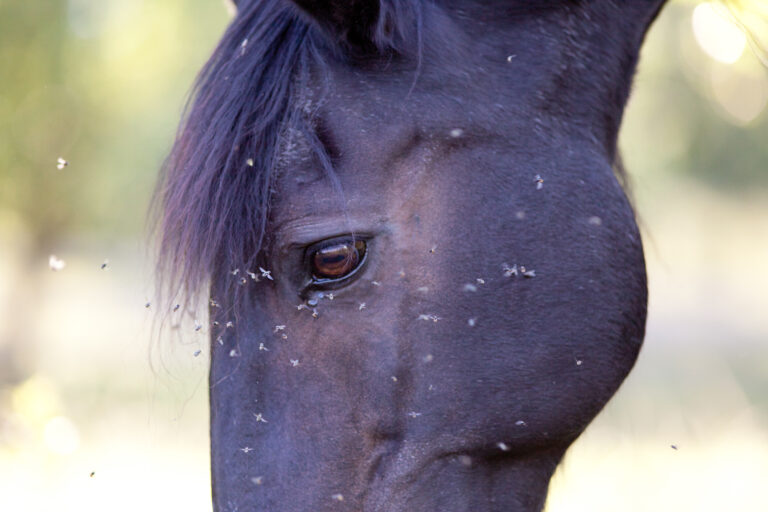
With a mortality rate of 90% in horses, EEE is a serious mosquito-borne disease.


With a mortality rate of 90% in horses, EEE is a serious mosquito-borne disease.
A 2014 outbreak at a Japanese racing stable re-awakened awareness of Getah virus and its threat to horses.

Despite the enormous positive impact of these horses and donkeys, their health isn’t always a top priority for owners.
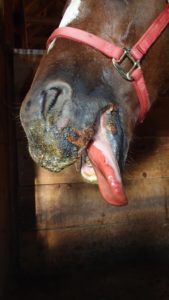
The economic impacts of 2014 vesicular stomatitis outbreak were felt within the equine industry at multiple levels.
Tyzzer’s disease primarily affects foals’ livers, causing necrotizing hepatitis (liver disease).

Learn how to remain weather-aware and ensure people and horses are in safe places before severe weather strikes.
Reported diseases include equine herpesvirus, strangles, equine viral arteritis, contagious equine metritis, and more

Long-distance travel has potential complications for horses including colic, injury, and shipping fever.

Infections can be reduced by recognizing the risk and having appropriate cleaning, disinfection, and hygiene protocols.
Early recognition of emerging and re-emerging diseases is of paramount importance if their impact is to be minimized.

Renal (kidney) disease and acute kidney injury with other disease processes can increase morbidity and mortality.
Diseases diagnosed include herpesvirus, tetanus, strangles, piroplasmosis, West Nile virus, and more.

Horses have been one of the signature sectors of Kentucky’s agricultural economy for many years.

What’s the difference between heaves, COPD, RAO, and equine asthma? Dr. Laurent Couetil explains.
Learn about polymerase chain reaction assays, how they work, and how veterinarians interpret their results.

A laboratory test is only as good as the sample submitted. Find out how veterinarians submit samples.