Vector-Borne Diseases’ Emergent Threat for Horses
Many diseases were once considered geographically restricted. But disease migration has eliminated that complacency.


Many diseases were once considered geographically restricted. But disease migration has eliminated that complacency.
Diagnosed diseases include vesicular stomatitis, EHV, strangles, influenza, piroplasmosis, rabies, and more.
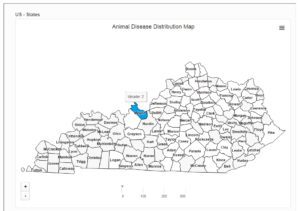
Find out how data can help improve horse owners’ knowledge of equine disease risks in their area.

These viruses are known for causing respiratory, reproductive, and neurologic issues, but can also impact horses’ eyes.
Confirmed diseases include vesicular stomatitis, EHV, influenza, Hendra virus, equine infectious anemia, and more.

Eastern equine encephalitis, or EEE, can be deadly in up to 90% of equine cases. Here’s what you should know.

Dr. Roberta Dwyer takes a look at what’s changed in veterinary medicine and what’s stayed the same.

Disposable gloves are made of numerous materials with varying levels of protection appropriate for different uses.

Most affected horses die or are euthanized within months of developing clinical signs. Here’s what you should know.
In 2014 a horse in that country tested positive for glanders, which initiated a discussion about testing methods.

Don’t get caught unaware. Ingesting just a handful of these beetles could kill your horse within 72 hours.
Confirmed diseases include vesicular stomatitis, herpesvirus, influenza, Getah virus, and strangles, among others.

Horse owners should rely on information refereed by experts and civic authorities for validity during disasters.

Horses with anhidrosis don’t produce an adequate amount of sweat. Here’s what to know about this condition.
Reported diseases include vesicular stomatitis, equine infectious anemia, strangles, influenza, herpesvirus, and more.

Learn how the respiratory, reproductive, and neurologic forms of equine herpesvirus-1 can impact your horse.