Benefits of Microchipping Horses
Learn how microchips can benefit horses and their owners, especially after natural disasters.


Learn how microchips can benefit horses and their owners, especially after natural disasters.

Necrotizing enterocolitis is a serious disease in foals less than 4-6 days of age that’s associated with a high death rate, despite therapeutic interventions.

Transmission of influenza viruses from one species to another can and does happen. Here’s what to know.

Recent advances in microchip technology have made this procedure the desired identification modality of the future.

From 1995 to 2014, the OIE received reports of 54 disease events associated with international horse movement.

Guidelines are readily available, but common sense is the first step to effective biosecurity, one veterinarian says.
Confirmed diseases include influenza, EHV, strangles, nocardioform placentitis, piroplasmosis, EIA, and more.

Genetic and genomic research could help veterinarians diagnose disease early and select more targeted treatments.

Find tips on managing and preventing a “perfect storm” of infectious disease spread at horse competition facilities.

Find out how veterinarians diagnose this highly contagious disease in both acute cases and long-term carrier horses.

Learn about several substances that can cause heart muscle damage and death in horses.
Anthelmintic resistance occurs worldwide. With only three drug classes to choose from, are we running out of options?

In the past, researchers developed new classes of antiparasitic compounds every 10 years or so. But what works today?
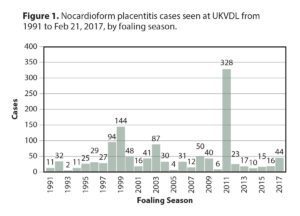
Through the third week of February, 44 cases of nocardioform placentitis were confirmed in the 2017 Kentucky foal crop.

Digestive system and cardiovascular system problems were the most common causes of death in the study population.
Confirmed diseases include equine herpesvirus, West Nile virus, African horse sickness, strangles, influenza, and more.