How to Protect Your Horse From Equine Influenza
Equine influenza virus activity has increased in the U.S. and Europe recently. Here’s what you can do to protect your horse.


Equine influenza virus activity has increased in the U.S. and Europe recently. Here’s what you can do to protect your horse.

Reported diseases included African horse sickness, atypical myopathy, contagious equine metritis, salmonellosis, and more.

Commonly called Potomac horse fever (PHF), equine neorickettsiosis can result in fever, colic of variable severity, diarrhea, abortion, and other clinical signs.

Appropriate use of vaccination and implementing biosecurity measures are critical to protecting the horse industry from outbreaks of highly contagious viruses, including equine influenza.
It’s critical that owners and breeding farms send aborted foals to a veterinary diagnostic laboratory, even if the cause of abortion appears obvious. Here’s why.

Plan ahead to keep family, employees, and horses safe during a winter weather disaster.

Tall fescue is one of the most widely grown perennial grasses in the world and covers approximately 37 million acres in the United States alone. But some varieties can be detrimental to horses. Here’s what you need to know if you have tall fescue in your pastures.
Equine abortion remains a common issue, and both infectious and noninfectious causes are frequently responsible.

Officials reported diseases including African horse sickness, equine influenze, strangles, EHV-1, EIA, and more.
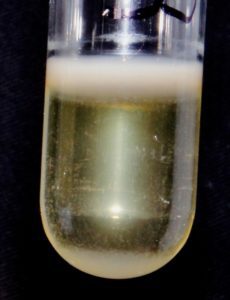
Bacterial endometritis that is refractory to traditional antimicrobial treatment is a significant challenge to the equine breeding industry. Fortunately, several therapeutic options are currently available to clinicians for the treatment of biofilm-associated endometritis in horses.

Better surveillance and monitoring of tick and insect populations is needed to establish the range and distribution of the various species with potential to serve as vectors of known mosquito- and tick-borne equine diseases.

The equine kidney has a vital role in overall health, but a variety of disease processes can impair renal function.

Confirmed diseases include equine influenza, equine herpesvirus, piroplasmosis, salmonellosis, rabies, and more.

As of August 2018, the invasive Asian longhorned tick has been found in at least one location in Arkansas, Connecticut, Maryland, New Jersey, New York, North Carolina, Pennsylvania, Virginia, and West Virginia.

Certain muscular disorders, such as HYPP and PSSM, are common in horses because breeders have selected for specific traits, including enhanced muscle mass and metabolism economy.

An immunotherapeutics approach could represent a new generation in therapies for treating chronic immune diseases and could mean new treatment options are on the horizon for horses suffering from IBH.