Atopic Dermatitis in Horses
Learn how to treat this skin condition in show horses without inadvertently breaking drug rules.


Learn how to treat this skin condition in show horses without inadvertently breaking drug rules.

Equine economist Dr. Jill Stowe of the University of Kentucky gives an overview of the short- and long-term effects of COVID-19 on the horse industry.

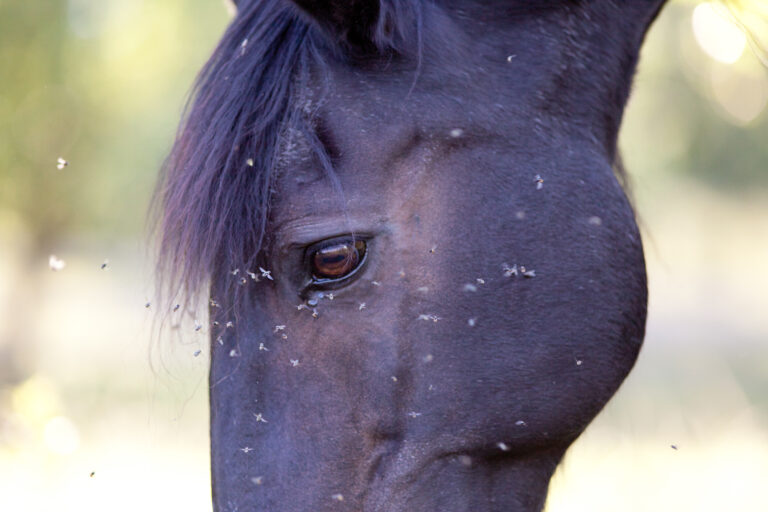
Insect bite hypersensitivity is a lifelong condition, and affected horses will always need management and/or therapy. But often a patient can be clinical-sign-free with low exposure to inciting antigens.
The desire to feed a starved horse well can have catastrophic consequences, resulting in a refeeding syndrome.

Dietary deficiency of vitamin E can lead to three specific neurologic and muscular diseases. Find out if your horse is getting enough.

Prepubic tendon rupture is an uncommon but serious condition in late pregnancy that may have a poor prognosis and can result in death of the mare and fetus.

Learn about how rain during harvesting can affect hay quality and whether you should feed rained-on hay to your horses.

Acute respiratory distress syndrome (ARDS) causes rapidly progressive and severe respiratory failure and is associated with high mortality in affected patients.

The 2019 outbreak of VSV was the largest in recent history with 1,144 premises affected in eight states: Colorado, Kansas, Nebraska, New Mexico, Oklahoma, Texas, Utah, and Wyoming.

A farrier is part of a team that also includes the horse, owner, trainer, grooms, and veterinarian. This team approach is never more necessary than when a horse has an injury or disease.

With the national horse population trending down, the abundance of options available to horse buyers has left some rare breeds teetering on the edge of catastrophic loss.
Guttural pouch mycosis (GPM) is a potentially life-threatening disease that may initially present as a simple nosebleed (epistaxis) or even poor performance in an equine athlete.

Clostridial myositis is a rare but serious bacterial infection, which causes inflammation and death of muscle and release of bacterial toxins into the bloodstream.

Current horse breeding trends are characterized by a decline in mares bred and a new focus on well-being of established pregnancies, as well as enhanced genetic selection related to the health and future performance of foals.

Learn which mosquitoes can transmit disease and how to manage populations on your farm.
Sarcoids are believed to be the most common equine skin tumor, affecting about 2% of the worldwide population. Here’s what you need to know about these potentially problematic skin growths.