Haylie Pfeffer, Digital Editor, holds a degree in equine studies with a concentration in communications and a minor in social media marketing. She is a Pennsylvania native and, as a horse owner herself, has a passion for helping owners provide the best care for their horses. When she is not writing or in the barn, she is spending time with her dog, Clementine.
Performance of a thorough placental examination, he said, requires a basic understanding of placental anatomy and some familiarity with the gross features found in a normal placenta.
During the foaling season, Bain said, veterinarians are frequently called upon to deal with a foal that is the product of a mare with placentitis. These foals, he said, can range from being extremely early–300 days–with small size and organ function incompatible with life to a full-sized foal nearer to full-term gestation with minimal effects.
Mary DeLorey, DVM, owner of Northwest Equine Dentistry in Washington, began Horseman’s Day at the 50th annual American Association of Equine Practitioners (AAEP) Convention in Denver, Colo., Dec. 4-8, 2004, with a presentation titled “Everything You Wanted to Know About Equine Dentistry.” “Just a float isn’t enough anymore,” she told her listeners. “Comprehensive dental care is needed.” She said
At Horseman’s Day at the 50th annual American Association of Equine Practitioners (AAEP) Convention in Denver, Colo., Dec. 4-8, 2004, Sally Vivrette, DVM, PhD, Dipl. ACVIM, of Triangle Equine Veterinary Services in Cary, N.C., discussed strategies for keeping the performance horse healthy and fit.
“Maintaining a performance or pleasure horse represents a substantial investment of time and
The best chance to improve the survival rate of a newborn foal, she said, is adequate advance disease prevention and planning. The disease prevention includes a comprehensive vaccination program, Zimmel told her listeners.
Christy Malazdrewich, DVM, MVSc, PhD, Dipl. ACVIM, assistant clinical professor at the University of Minnesota, discussed metabolic problems at Horseman’s Day at the 50th annual American Association of Equine Practitioners (AAEP) Convention in Denver, Colo., Dec. 4-8, 2004. She gave clear-cut descriptions of two baffling conditions–Cushing’s disease and metabolic syndrome. She opened with this
Ken Bedell, DVM, of Cornell University, addressed one of the newer maladies that has shown up in the horse world–equine motor neuron disease–at Horseman’s Day at the 50th annual American Association of Equine Practitioners (AAEP) Convention in Denver, Colo., Dec. 4-8, 2004. He characterized the affliction as any disease that targets the nerves that coordinate the muscle structure, such as
In horses with HC, the skin separates between the deep and superficial dermis. There is no cure. A DNA test for carrier identification is not yet available, and therefore, managed breeding strategy is currently the only option for reducing the incidence of HC.
Aleman reported on a genetic problem called equine malignant hyperthermia (EMH) that can make simple anesthesia deadly for some horses. Malignant hyperthermia-like episodes in the horse have been associated with drugs such as halothane, isoflurane, succinylcholine, and caffeine.
Rhodococcus equi is the most common cause of severe pneumonia in foals. However, despite intensive research, the reasons some foals get this pneumonia and some don’t are not known.
Septicemia is loosely defined as bacteria or bacterial components in the bloodstream. In foals, septicemia is the most common cause of death in the first week of life, noted Simon Peek, BVSc, MRCVS, PhD, Dipl. ACVIM, clinical associate professor of large animal internal medicine, theriogenology, and infectious diseases at the University of Wisconsin’s School of Veterinary Medicine, at the 50th
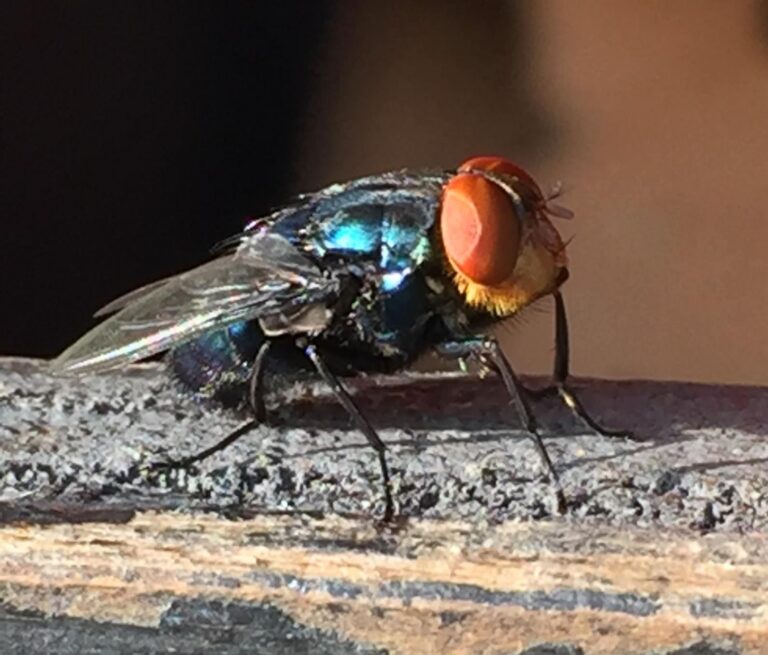
This disease has nothing to do with birds; it got its name from the inflammation seen in the chest region of some affected horses that makes them look like they have a puffed-out pigeon’s breast. Also known as dryland distemper, the disease is caused by Corynebacterium pseudotuberculosis. Research at the University of California, Davis, has indicated that insect vectors play a significant
When a horse has to be on an antibiotics for long periods, the oral route of administration is preferable. However, the choices available to horse owners are limited. Cornelia D. Nieuwoudt, PharmD, director of the pharmacy at Texas A&M University and formerly with Johns Hopkins University, discussed using a gel formulation of the antibiotic enrofloxacin in horses at the 50th annual American
“Adverse effects of administration of rhEPO to horses are potentially fatal.” He said that administration of the compound is associated with severe anemia that can cause death.
The results of this study suggest that moderate to severe tracheal mucus accumulation is a risk factor for poor racing performance in Thoroughbred horses. Indeed, horses with little to no tracheal mucus placed nearly twice as well in a race compared with horses with moderate to large amounts of tracheal mucus.