Researchers have identified natural and innovative therapies that could reduce reliance on antibiotics in horses, with global health benefits
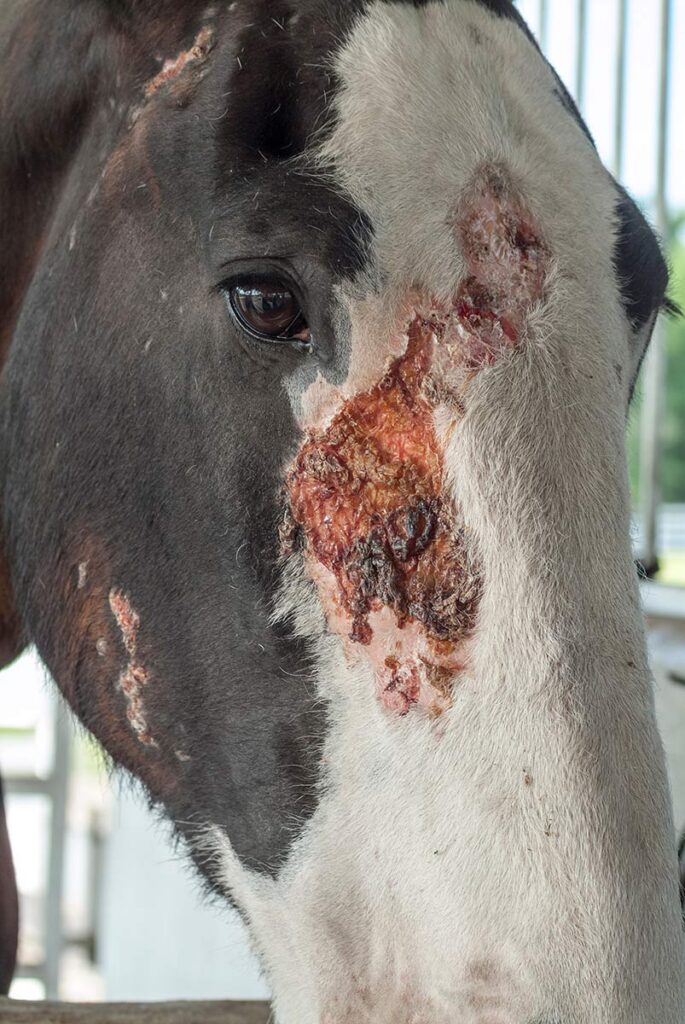
Natural bacteria killers could provide critical alternatives for fighting infections in horses, offering long-term solutions to a pathogenic problem affecting horses and the people around them.
Antibiotics remain lifesaving, says Dean Hendrickson, DVM, MS, Dipl. ACVS, professor of equine surgery at Colorado State University’s College of Veterinary Medicine & Biomedical Sciences, in Fort Collins. Discovered in the early 20th century—with penicillin identified in 1928 and mass production starting in the 1940s—antibiotics have been combating pathogenic bacteria for more than a century in both humans and animals.
Yet antibiotics carry significant drawbacks. They can drive the development of antibiotic resistance—bacteria that no longer respond to treatment in humans, horses, or other animals. They can also disrupt the healthy microbiome (the community of microbiota living in different parts of the body, such as the digestive system or the skin), interfering with healing, Hendrickson notes. “We can’t ignore that anymore,” he says.
This makes the search for alternatives urgent, says Yosra Helmy, PhD, DVM, MVSc, associate professor of infectious diseases and microbiology at the University of Kentucky’s Maxwell H. Gluck Equine Research Center, in Lexington. “Without immediate attention … and investment in antibiotic alternatives, treatment failures in horses will become more frequent, (and) biosecurity risks in hospitals and farms will escalate,” she says.
Alternatives to Antibiotics for Wounds in Horses
Researchers are already exploring promising alternatives. In equine medicine, wounds are a primary focus because they’re easy to access for direct treatment, Hendrickson says. Mechanical debridement by a veterinarian followed by local (topical) antimicrobials and antiseptics such as polyhexamethylene biguanide (PHMB) and acetic acid is proving effective.
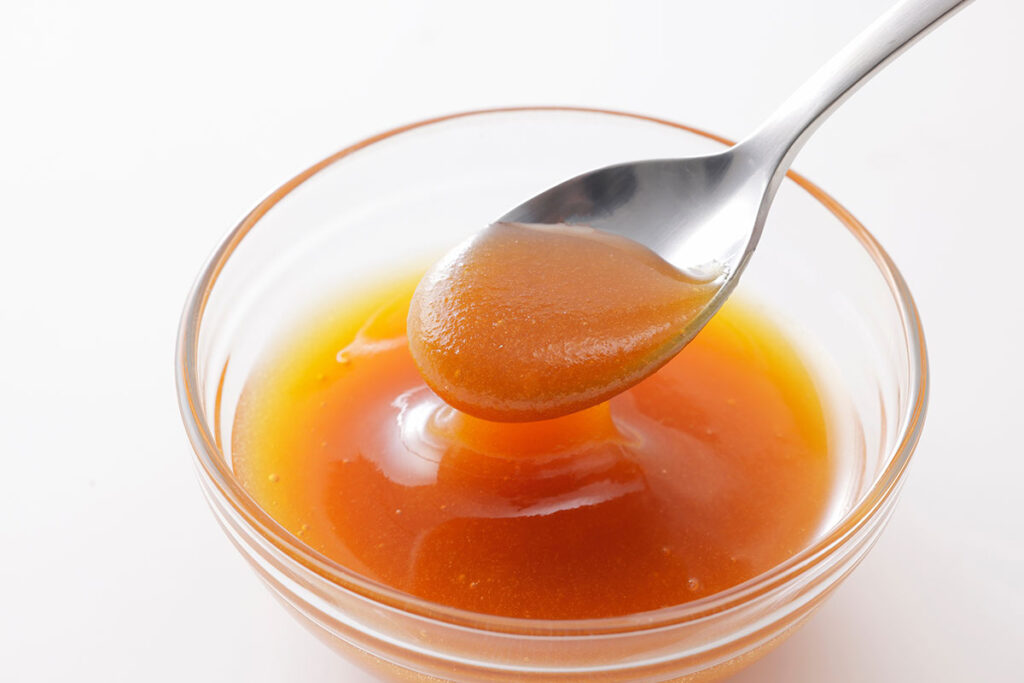
His team’s review of scientific studies also shows that raw and medical-grade honeys carry powerful antibacterial properties, working well against bacteria in horse wounds—at least in lab settings. “The enzymes in honey naturally attack bacteria, and that makes perfect sense if you think about it,” Hendrickson says. Even so, he cautions owners to use raw honey carefully—keeping horses from swallowing it—to avoid botulism risks because there’s no practical way to test for the possible, albeit unlikely, presence of Clostridium spores.
Medicinal plants also offer overlooked options, says Eyob Hirpa Tola, DVM, MSc, associate professor of veterinary microbiology at Addis Ababa University College of Veterinary Medicine and Agriculture, in Ethiopia. His team found that garlic demonstrated strong antibacterial activity against drug-resistant Staphylococcus aureus in equine wounds—particularly when combined with leaves from the native African tree Croton macrostachyus (known as the broad-leaved croton) or with ginger.
Accessibility matters in other contexts, too. Andrea Marchegiani, DVM, PhD, researcher in the School of Biosciences and Veterinary Medicine at the University of Camerino, in Italy, showed that vitamin B2 (riboflavin) paired with short bursts of ultraviolet-A light outperformed standard antibiotics in treating equine corneal ulcers.
Meanwhile, University of Illinois researchers found hydrogen peroxide and platelet-based therapies—platelet-poor plasma (PPP) and platelet-rich plasma (PRP)—promising for treating bacteria linked to endometritis (inflammation of the uterine lining) in mares. While tested only in the lab so far, these treatments might one day provide real-world antimicrobial alternatives.
Antibiotic Alternatives for Internal Infections in Horses
Still, internal treatments pose challenges, Hendrickson says. Enzymes in topical options such as honey don’t survive digestion or reach systemic targets. “The problem is getting the treatment to the place it needs to get to,” he says.
Researchers in Helmy’s lab seek to address that hurdle in studies targeting the bacterium Rhodococcus equi (R. equi), the leading cause of foal pneumonia and death in horses under 6 months old. Her team has identified small molecules and probiotic strains that prevented R. equi from growing and surviving inside foal lung cells in lab models. They’re building an arsenal of alternatives, including antivirulence drugs (which rather than destroying bacteria, strip away tools they use to cause disease, helping the horse’s immune system clear them more easily), next-generation probiotics/postbiotics, and phage therapies—treating with viruses that specifically infect and kill bacteria—paired with smart delivery systems for the lungs, uterus, eyes, intestines, and skin.
More broadly, supporting the immune system itself could help horses naturally resist bacterial infections, says Eveline Ibeagha-Awemu, PhD, a research scientist at Agriculture and Agri-Food Canada, in Ottawa. Fermented brewer’s yeast, for instance, appears to stabilize the equine gut microbiome during times of stress, potentially improving infection defenses.
“Some alternatives, like vaccines, are quite effective,” Ibeagha-Awemu says. “Others, like probiotics, bacteriophages, immunotherapies, herbs, spices, essential oils, acidifiers, and enzymes, have been shown to enhance the host immune system.” However, she stresses that more research is needed before most of these findings can guide practice.
One Health in Equine Practice
Ibeagha-Awemu and Helmy agree that finding viable antibiotic alternatives in horses is imperative, and the benefits extend beyond equine health. Their work underscores the One Health principle: the idea that animal, human, and environmental health are interconnected. Reducing antibiotic use in horses could yield global health benefits for both animals and people.
That holds especially true given horses’ roles as both pets and livestock, says Ibeagha-Awemu. Their interactions with people and other animals make them potential carriers and sharers of pathogens.
“Horses exist at the intersection of human, animal, and environmental health, as they interact closely with owners, veterinarians, riders, and caretakers, while sharing environments with other animals and wildlife,” says Helmy. “That makes them potential reservoirs and transmitters of infectious diseases such as Salmonella, Clostridioides difficile, viruses, and even methicillin-resistant Staphylococcus aureus—commonly known as MRSA.”
Even waste management plays a role in antibiotic resistance. “Antibiotics not completely metabolized find their way in feces or are taken up by the (horse’s) microbiome, which may end up in the fields, water, or the microbiome of those in close proximity with the livestock,” says Ibeagha-Awemu.
“The environmental footprint of the horse industry, including manure management and waste runoff, can exacerbate antimicrobial resistance and ecosystem imbalances if not properly addressed,” Helmy adds.
Take-Home Message
Antibiotics themselves aren’t the enemy. “Antibiotics are fantastic,” Hendrickson says. “The problem isn’t their use, but their indiscriminate use.”
Helmy says antibiotic resistance is a solvable engineering-and-biology problem if we change how we fight infections. “Our goal isn’t to abandon antibiotics; it’s to reserve them by replacing routine use with effective alternatives, protecting horse health today and preserving One Health for tomorrow.”