How to Read a Horse Supplement Label
Learn how to evaluate supplement labels, spot red flags, and decide which ingredients are worth your money in this article from the Fall 2026 issue of The Horse.

Learn how to evaluate supplement labels, spot red flags, and decide which ingredients are worth your money in this article from the Fall 2026 issue of The Horse.

Check off these 8 important tasks before the colder weather arrives.

An equine nutritionist explains how a broodmare’s nutritional needs change during her pregnancy.
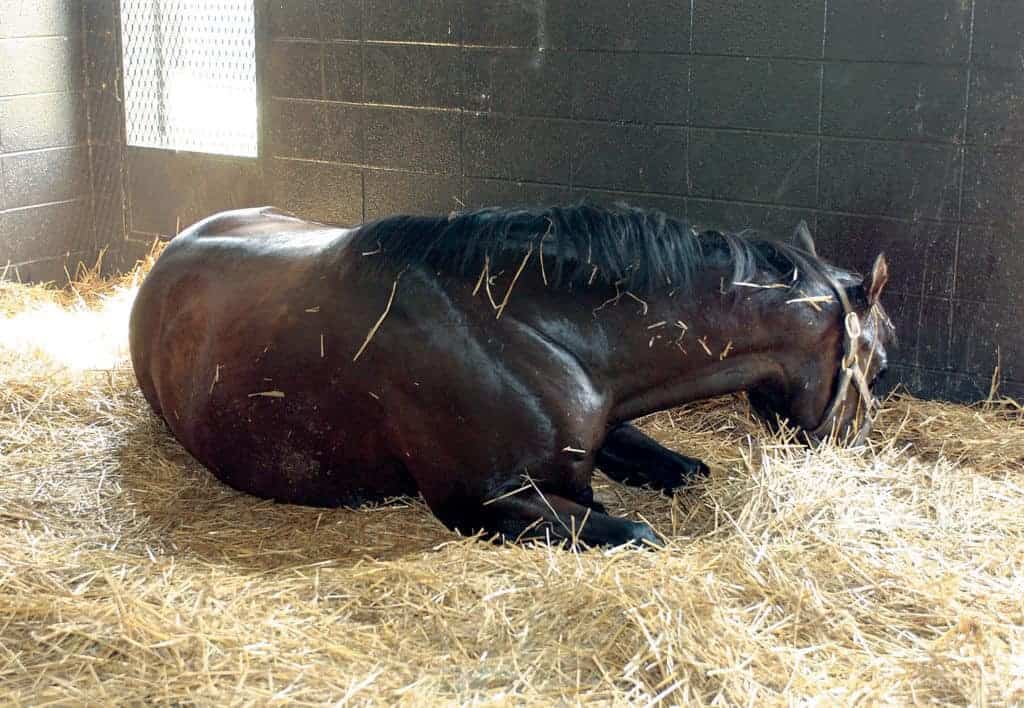
Recognizing and intervening early helps improve colic outcomes in horses.
Is it okay for my horse to eat leaves that have fallen from trees in his pasture?
Not all ulcers are the same, and veterinarians must use gastroscopy to definitively diagnose them. Find out how and why veterinarians grade gastric ulcers. Sponsored by Endoscopy Support Services.

When switching your horse to a forage-focused diet, first obtain a hay analysis and choose a ration balancer that fills the nutritional gaps.

An equine nutritionist explains why senior feeds are high in fiber and why that’s good for your older horses.

Get advice on encouraging a hard-keeper to eat more. The first step? Rule out health problems.

Researchers caution that more studies are needed to fully understand the effects of antioxidants on equine joint health. Here’s what they know now.
Read about the unique nutritional and management needs of these equids.

When can you safely feed freshly baled hay? Find out how curing and harvest timing can affect hay safety for metabolic horses.

Foxtail awns can cause painful oral ulcers in horses. Learn about the signs and how to manage pastures to reduce risk.

Horses evolved to eat frequent, small roughage meals, so why do we only feed them twice daily?
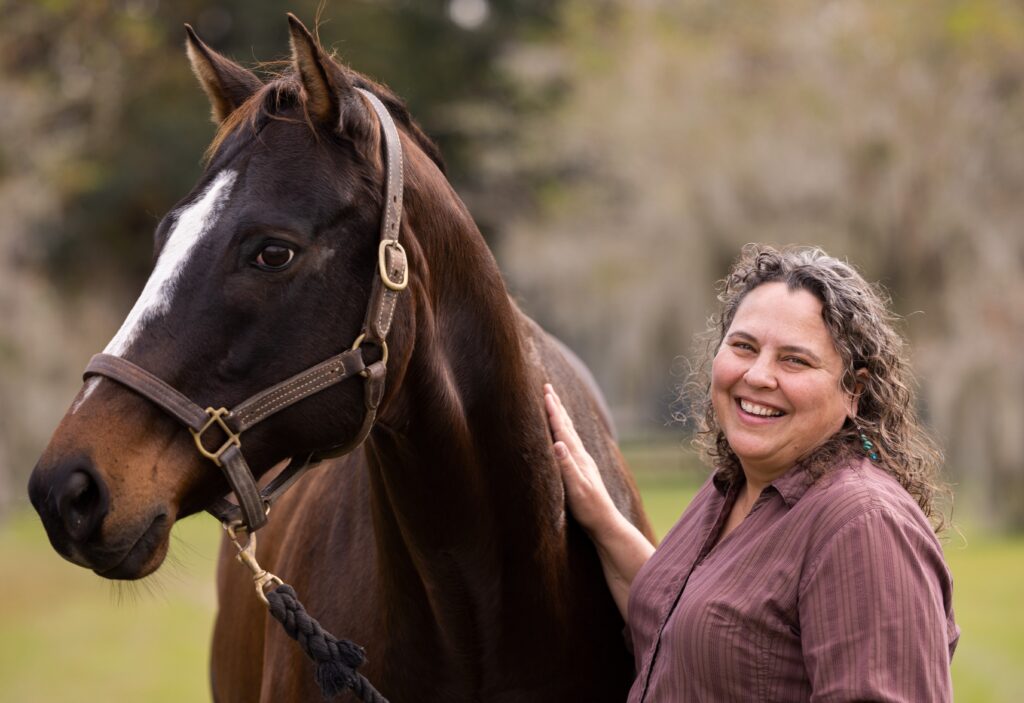
Host Stephanie Ruff talks to Martha Mallicote, DVM, MBA, Dipl. ACVIM, about anhidrosis in horses and its nutritional aspects.

Follow these expert tips to correct common feeding mistakes and improve your horse’s gut health and overall well-being.