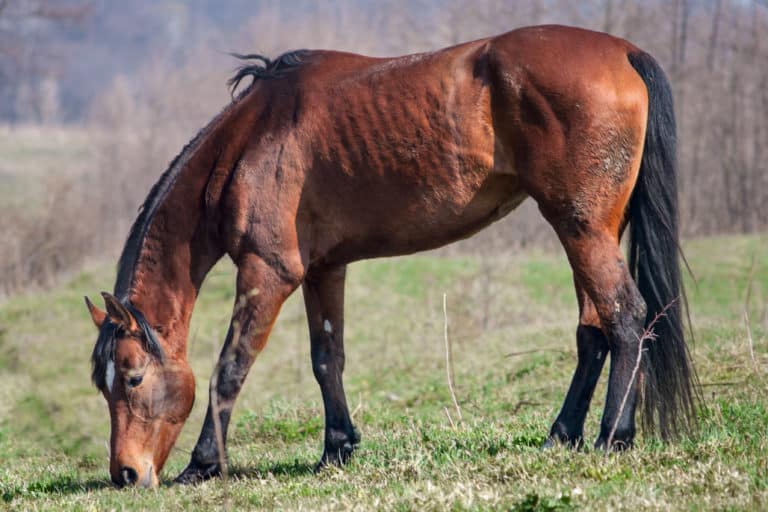
WNV Equine Case Confirmed in Kentucky
The Powell County horse is Kentucky’s seventh equine WNV case in 2016.

The Powell County horse is Kentucky’s seventh equine WNV case in 2016.
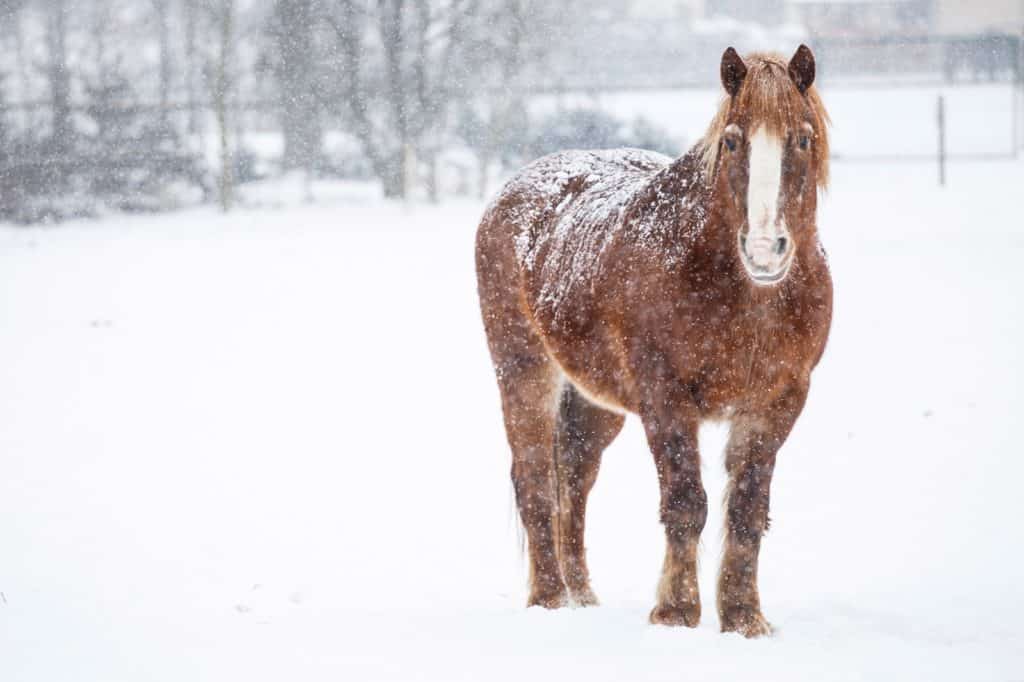
Ensure your golden oldie gets the care and support he needs, even if he’s weathered previous winters without trouble.

With cold weather comes complicating factors that could increase horses’ colic risk.

Though not often used in the United States, peat moss is a popular choice in other countries and for good reason.

Several new studies were published as a free special collection in the Equine Veterinary Journal this month.
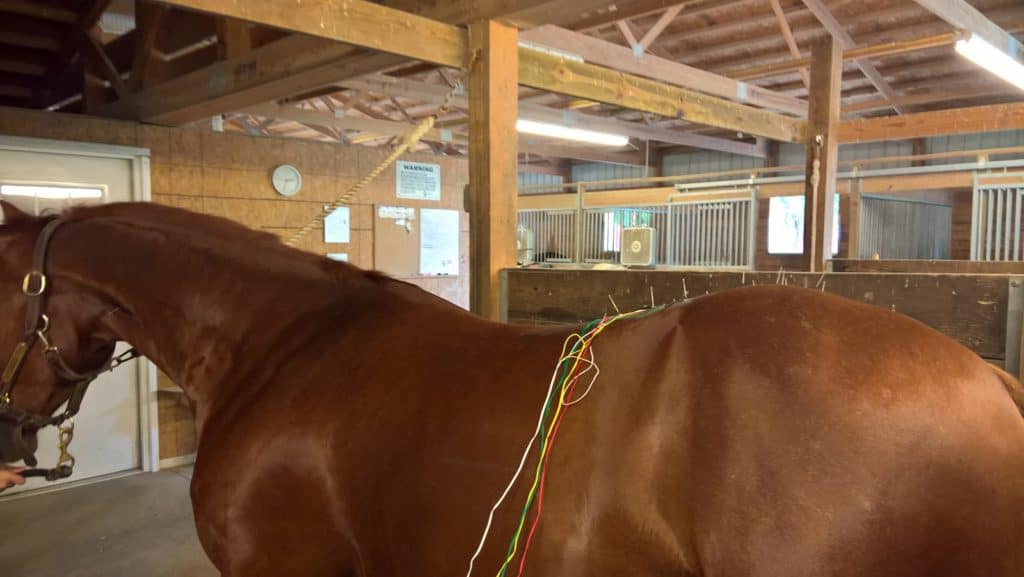
Learn how acupuncture is used to supplement conventional therapies and treatments given to equine patients.

Researchers believe the Malva parviflora weed was behind the deaths of four Australian horses.

Only one of 21 California horses diagnosed with WNV in 2016 had a know vaccine histories. Seven of the horses have died.

No other horses at the Thoroughbred track and casino have presented with clinical signs consistent with EHV-1 infection.
This could allow improved treatments and management for the disorder, as well as improved welfare for affected horses.

The BLM believes the projects will benefit the wild horses in the Piceance-East Douglas herd management area.

Three equine professionals offer tips for preparing your animals, facilities, and yourself for the deep freeze ahead.

Nine horses currently reside in quarantine at the Los Angeles Equestrian Center related to an EHV outbreak.
Dr. Kyla Ortved will review the varying types of regenerative medicine and their applications in the equine athlete.

Maximize safety, soundness, and performance by solving your equine arena surface snafus.

Researchers say studs have better-quality semen when housed next to other stallions before being stabled next to a mare.