Equine Rhinitis B Virus Prevalence in Australian Weanlings
Equine rhinitis B virus is a respiratory disease that researchers still don’t fully understand.

Equine rhinitis B virus is a respiratory disease that researchers still don’t fully understand.
Two Penn Vet students received scholarships from the Thoroughbred Education and Research Foundation (TERF).

Two barns at Parx Racing are under quarantine as a result of a positive test for equine herpesvirus.

Dr. Patricia Sertich will review mare anatomy, physiology, and abnormalities known to cause behavior changes.
Horse rescues could soon be able to consult a nationwide animal abuser registry before adopting animals out.

The simulator is designed to let veterinary students master injection skills before working with a live horse.
Kathleen MacMillan, DVM, MSc, will present information regarding colic diagnostics, treatments, and more.
The award is open to all Thoroughbreds competing at the National Horse Show.

Of the 1,212 voters, 848 (70%) indicated they do not clip their horses’ whiskers.
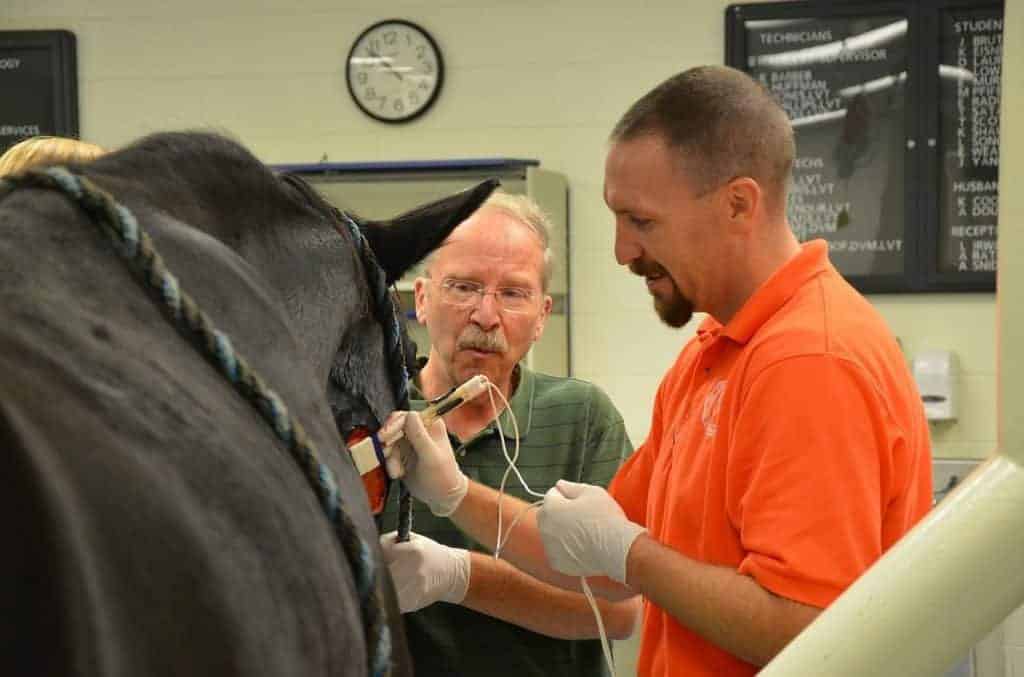
The treatment, called H-FIRE, delivers a short burst of electricity into specific places in the tumor.

One researcher says it’s unlikely that every obese horse is at risk of developing EMS and laminitis.

The effort to adopt uniform national reforms continues to gain support, the NTRA reports.

Several organizations help military soldiers and veterans as they give new life to horses in need.

On a quest for the perfect saddle and the best fit? Here are a few words of advice from veterinarians.
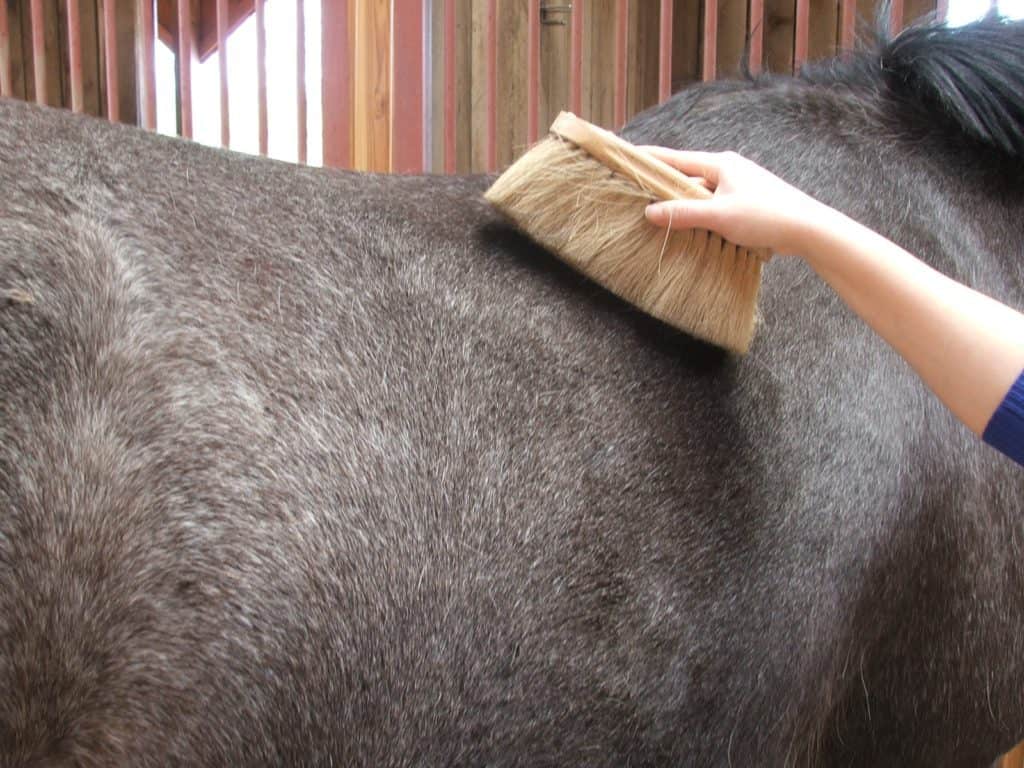
Your daily grooming regime requires commitment. Its rewards are your horse’s continued well-being and comfort.

This Veteran’s Day, consider honoring the war horses that sacrificed it all for us by helping horses in need.