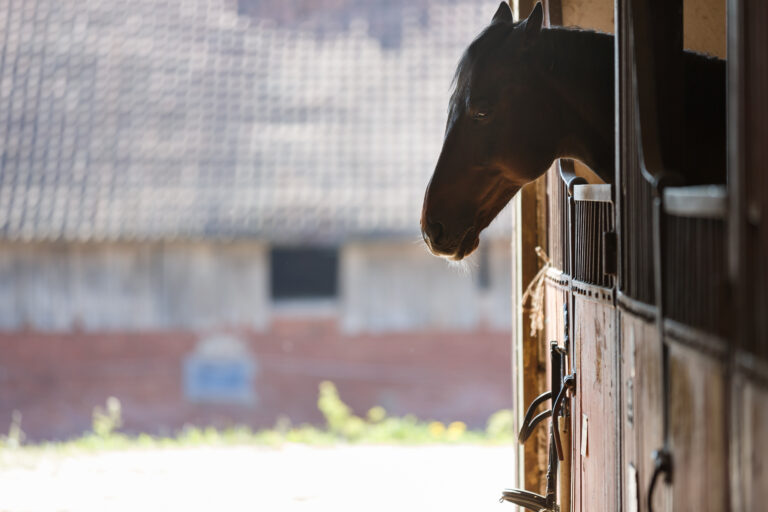
Managing the Anxious Horse
Find out how to keep you, your prone-to-worry horse, and those around him safe.

Find out how to keep you, your prone-to-worry horse, and those around him safe.

Behavior and performance changes that could be associated with gastric ulcers in horses should prompt further veterinary investigation.

Targeted nutrition can sustain performance horses’ gut and cellular health during the stress of travel and competition.

A study found omeprazole protected horses against phenylbutazone-induced equine glandular gastric disease but might exacerbate phenylbutazone-induced intestinal disease.

Researchers described normal pituitary gland appearance on MRI. Their findings might help veterinarians identify PPID in horses and start treatment earlier.

As you consider ways you can help your foal—and his dam—through the weaning process, examine proven methods based on research findings to formulate a plan.

A well-planned feeding program helps a foal’s caretakers manage growth rate effectively. Learn about common foal-feeding challenges and solutions, as well as how to develop a well-balanced feeding program for young, growing horses.
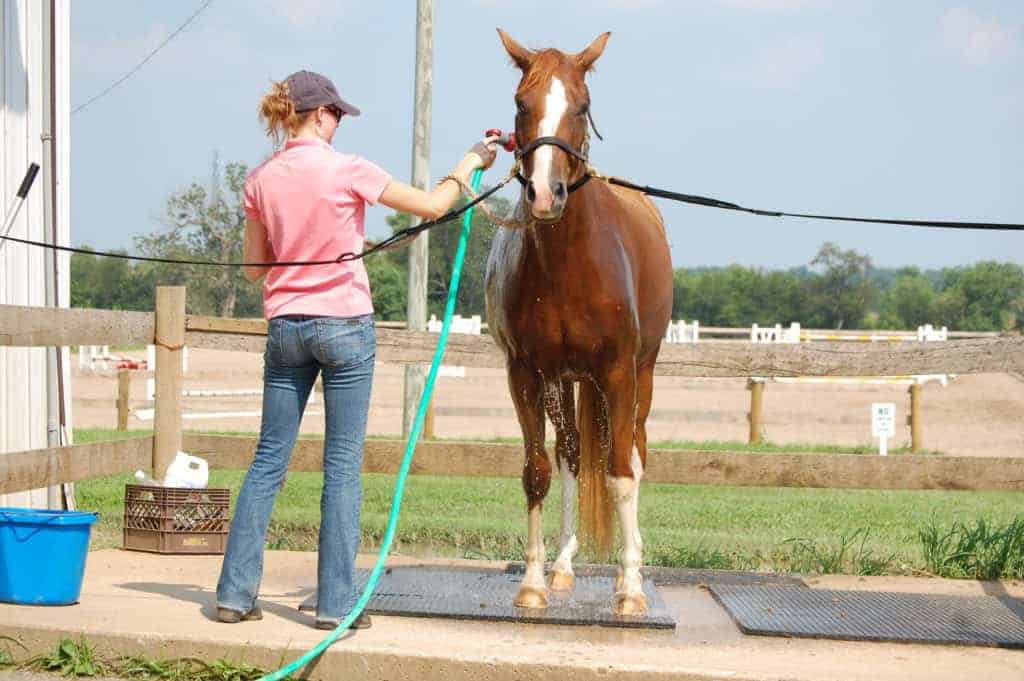
Find out how to avoid equine skin and coat problems caused by frequent lathering and rinsing.

Here are a few common myths about horse hay, how these myths came to be accepted and, finally, the truth.
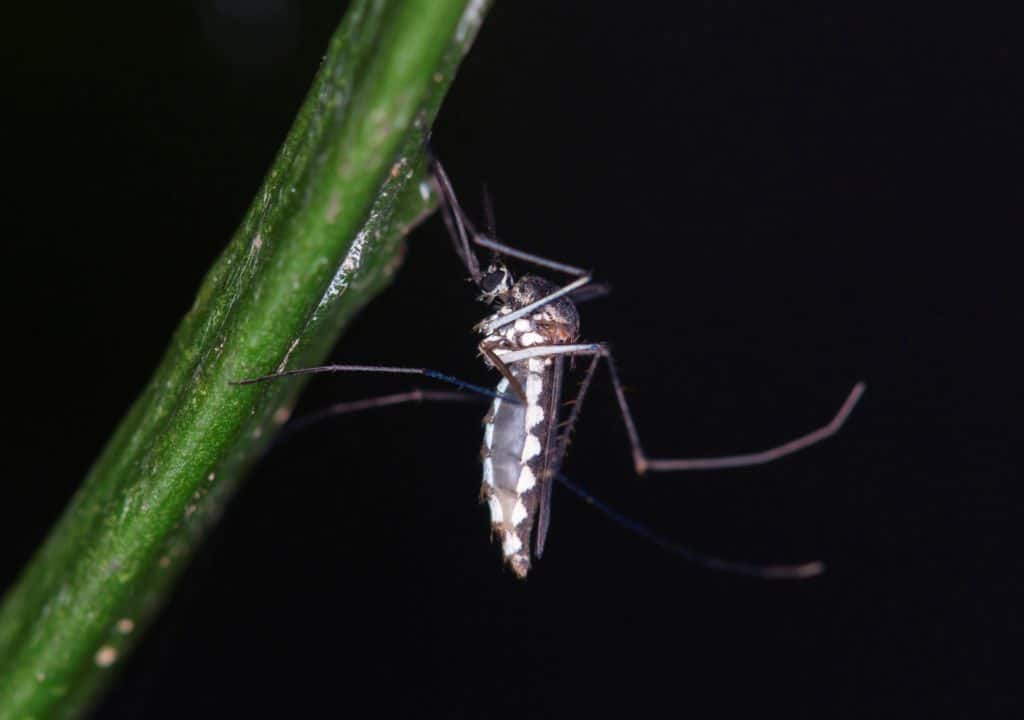
These mark the state’s eighth and ninth Eastern equine encephalomyelitis cases in horses for 2021.

Electrolytes play an important role in hydration and cellular function in horses. Learn more about electrolytes, when you might need to supplement them, and what research has shown about how they affect performance horses.

Veterinarians from UC Davis offer 10 important tips to prevent heat-related problems in horses.

Dr. Andrew van Eps suggests addressing obesity now to prevent laminitis, shares new insight into supporting limb laminitis, and offers advice about icing feet in acute cases.

Here’s a look at some common misconceptions about PPID and the truth behind them.

Learn how veterinarians diagnosed and managed six real-life equine Cushing’s cases that strayed from the classic scenarios.

What causes Cushing’s disease, and why does it seem like it’s so prevalent in our horses?