Assisted Reproductive Technologies for Horses
Where do we go from here? Find out from Charlie Scoggins, DVM, MS, Dipl. ACT, who’s a fertility clinician at Rood & Riddle Equine Hospital in Lexington, Kentucky.

Where do we go from here? Find out from Charlie Scoggins, DVM, MS, Dipl. ACT, who’s a fertility clinician at Rood & Riddle Equine Hospital in Lexington, Kentucky.

Post-foaling colic is a significant threat for mares. Dr. Anthony Blikslager describes what to look for and how to respond if your mare colics following foaling.

Be familiar with the most common problems that can happen within 24 hours of foaling.

Meconium impactions are the most common cause of intestinal obstruction and one of the most prevalent health issues overall in neonatal foals.
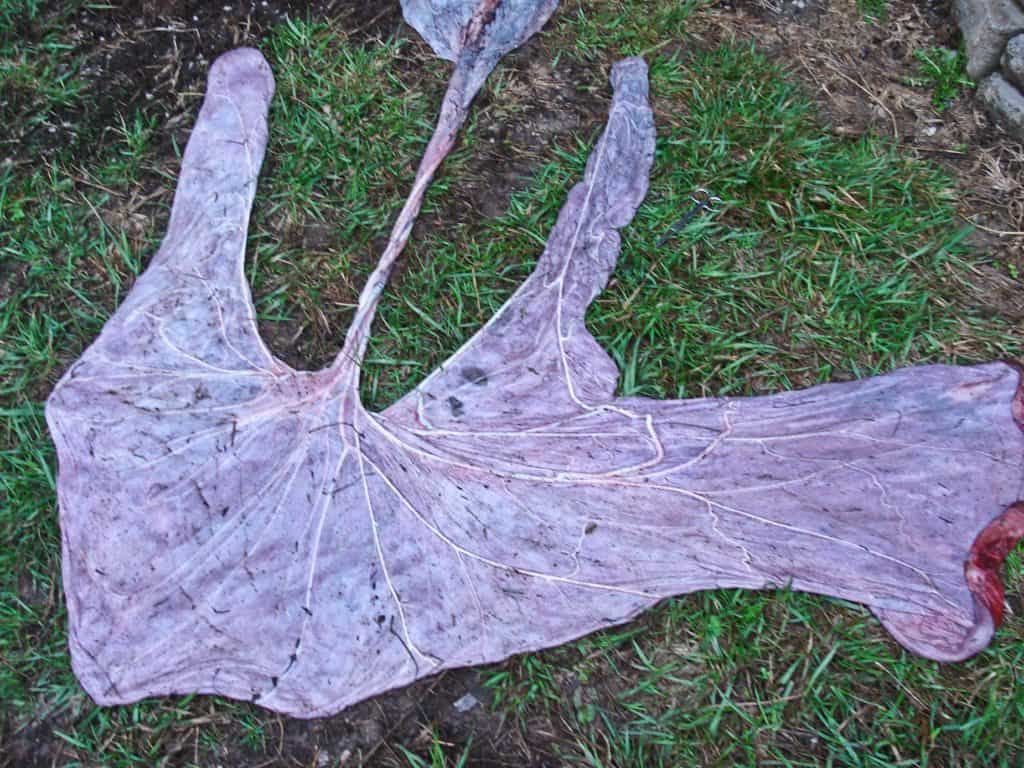
Retained fetal membranes can cause serious problems for broodmares. Here’s what you need to know.

The Eastern tent caterpillar eggs will begin hatching soon after spending about nine months as eggs in masses on twigs of wild cherry and related trees.

While removing mares’ ovaries can be successful in remedying aggressive behavior, other estrous behaviors can persist even following surgery.

EquCab3.0 will be a critical resource for equine geneticists and scientists working to identify the causes and related biology of horses’ inherited traits.

Dr. Michelle Linton offers suggestions on how to identify when your mare is ready to foal.

Find out the pros and cons of a stall vs. pasture birth from Dr. Michelle Linton of the University of Pennsylvania.
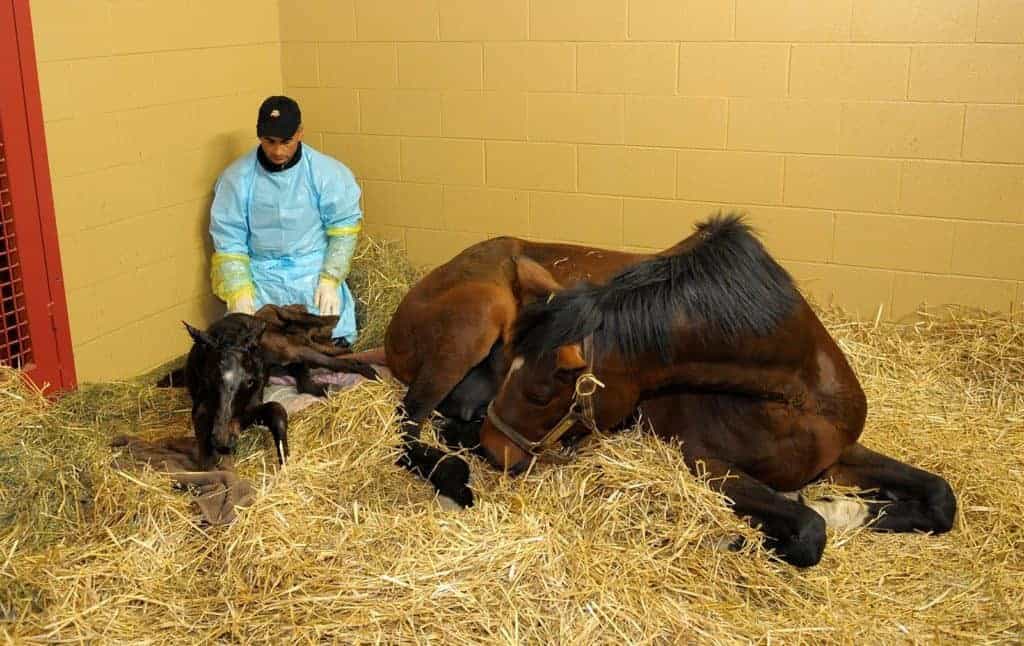
University of Pennsylvania’s Dr. Michelle Linton describes the how a normal foaling should progress.

Do you have a foal due during the cold months? Dr. Michelle Linton offers tips on how to prepare.
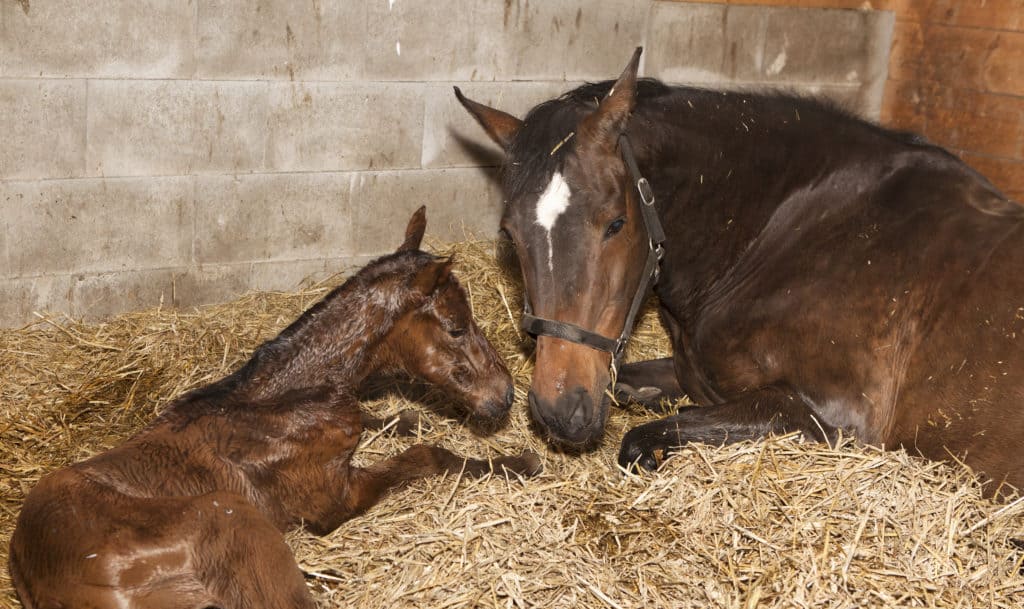
Ensure your foal has a smooth start to life and prompt treatment of any issues that might arise.
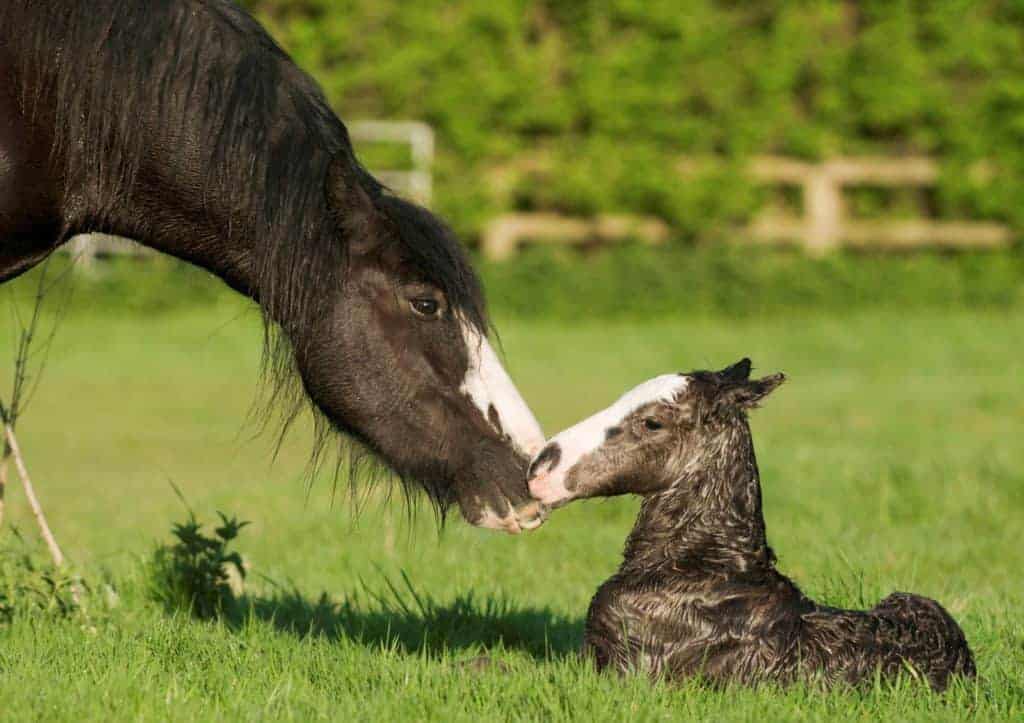
Do you have a foal due? Learn how to prepare your mare for foaling, care for your newborn, and spot issues early.

Removing the ovaries won’t fix other issues, from static shock to bladder adhesions, that can make mares behave badly.
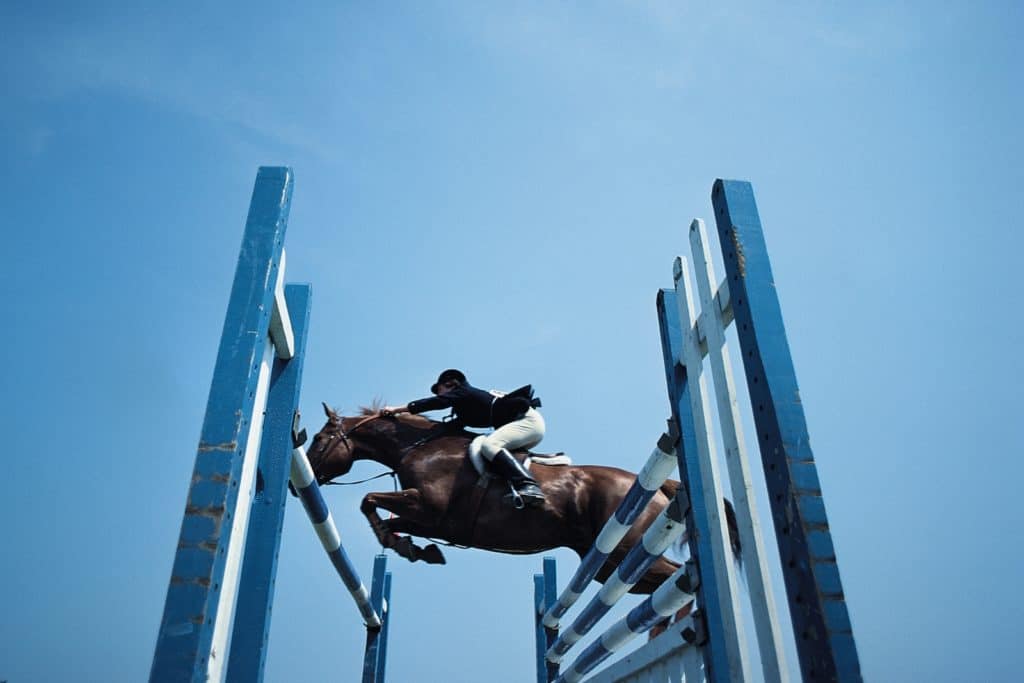
Genetically engineered horses could be arriving as soon as next year, but how that engineering might affect their health and welfare remains unclear.