Hormone Therapy Table Topic (AAEP 2011)
Topics discussed included induction of ovulation, estrus behavior, and suppression in the performance horse.

Topics discussed included induction of ovulation, estrus behavior, and suppression in the performance horse.
TheHorse.com’s webinar on late-term mare and foal care is now available for viewing on demand.
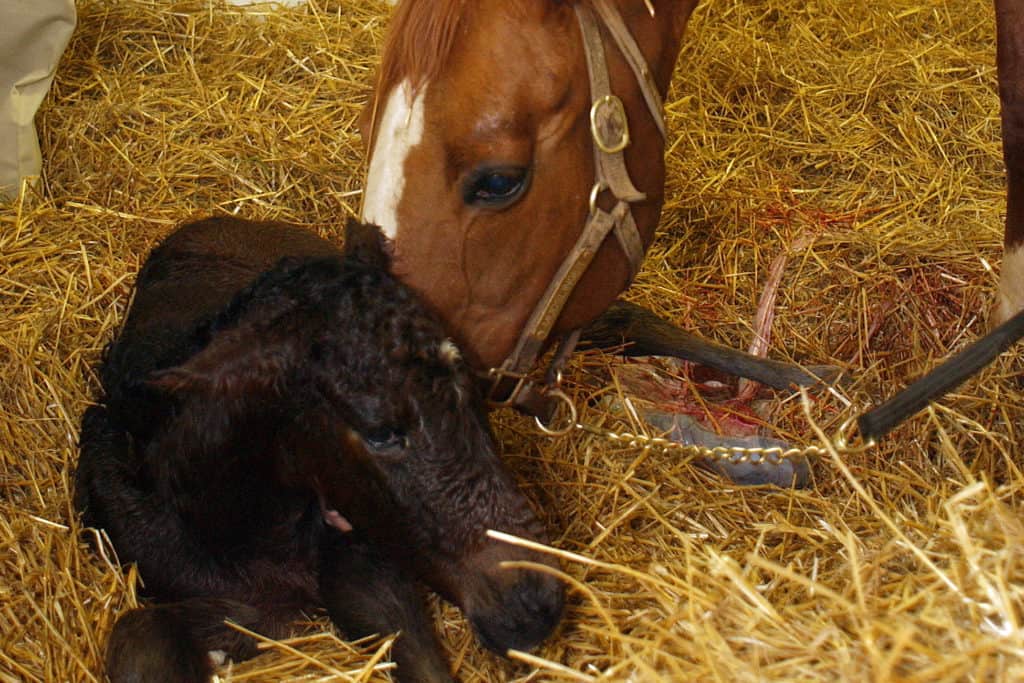
Breeders must work closely with their veterinarians, optimize mare care for her health and that of her foal, offer any help that’s needed during foaling, and provide the care the young foal needs for the best possible start in life.
Topics covered in the webinar will include late-term mare care, foaling, and newborn/young foal care.
Precise timing and specialized tools are the mainstays of successful equine insemination.
Learn about endometritis, what causes it, and what veterinarians can do to treat the condition.
Topics include foaling emergencies, equine strangles, hind limb lameness, and diagnosing neurologic horses.
McCoy’s research investigates genetic risk factors for the development of osteochondrosis (OC).
Sydney Hughes research has been on athletic performance of Thoroughbred foals born to mares with placentitis
Researchers aimed to establish a reference range for ocular fluid nitrate/nitrite concentrations in dead foals
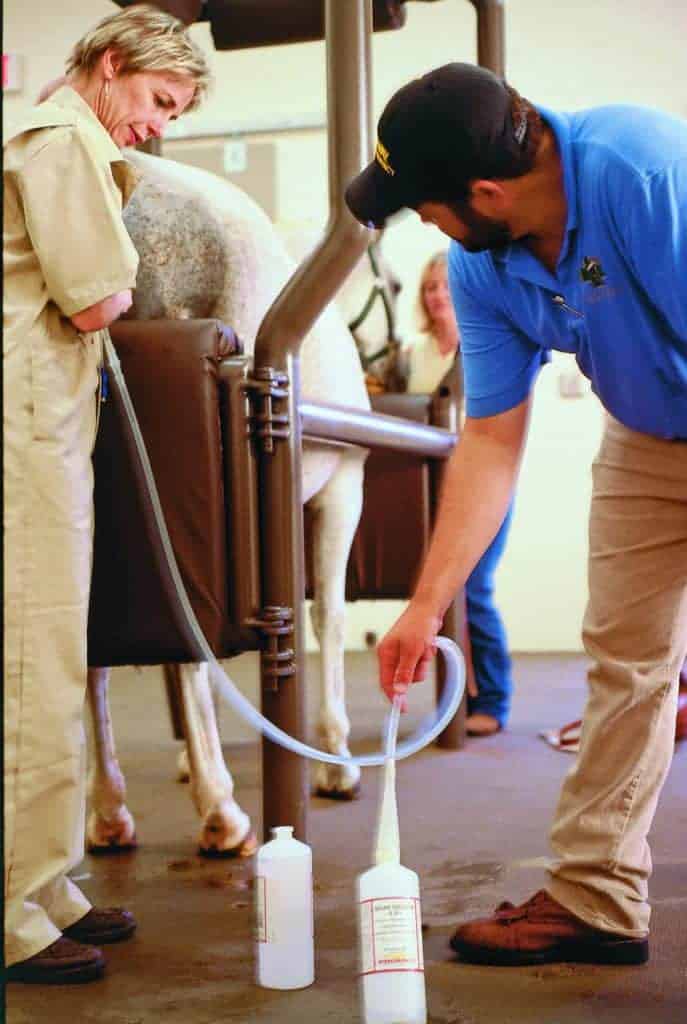
In some mares chronic uterine inflammation is a persistent problem that can interfere with pregnancy.

New research indicates that ancient stallions were far more genetically diverse before domestication.
The first equine genome was sequence was completed in 2007, but what is the state of that sequence in 2011?
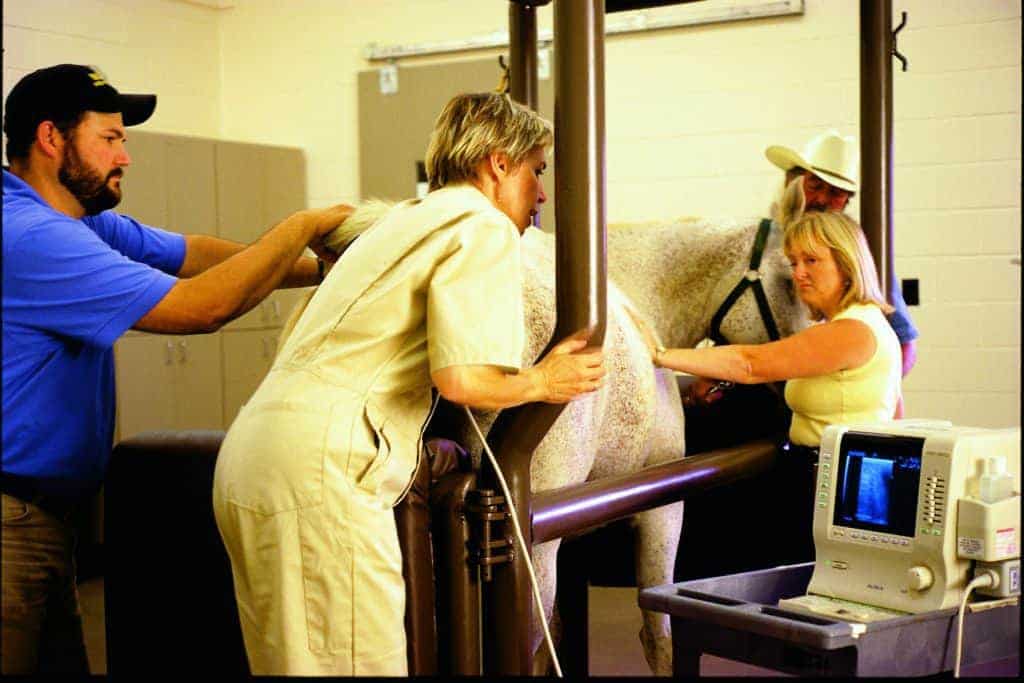
Christine Aurich, DVM, PhD, Dipl. ECAR, composed a comprehensive report about mares’ reproductive cycles.
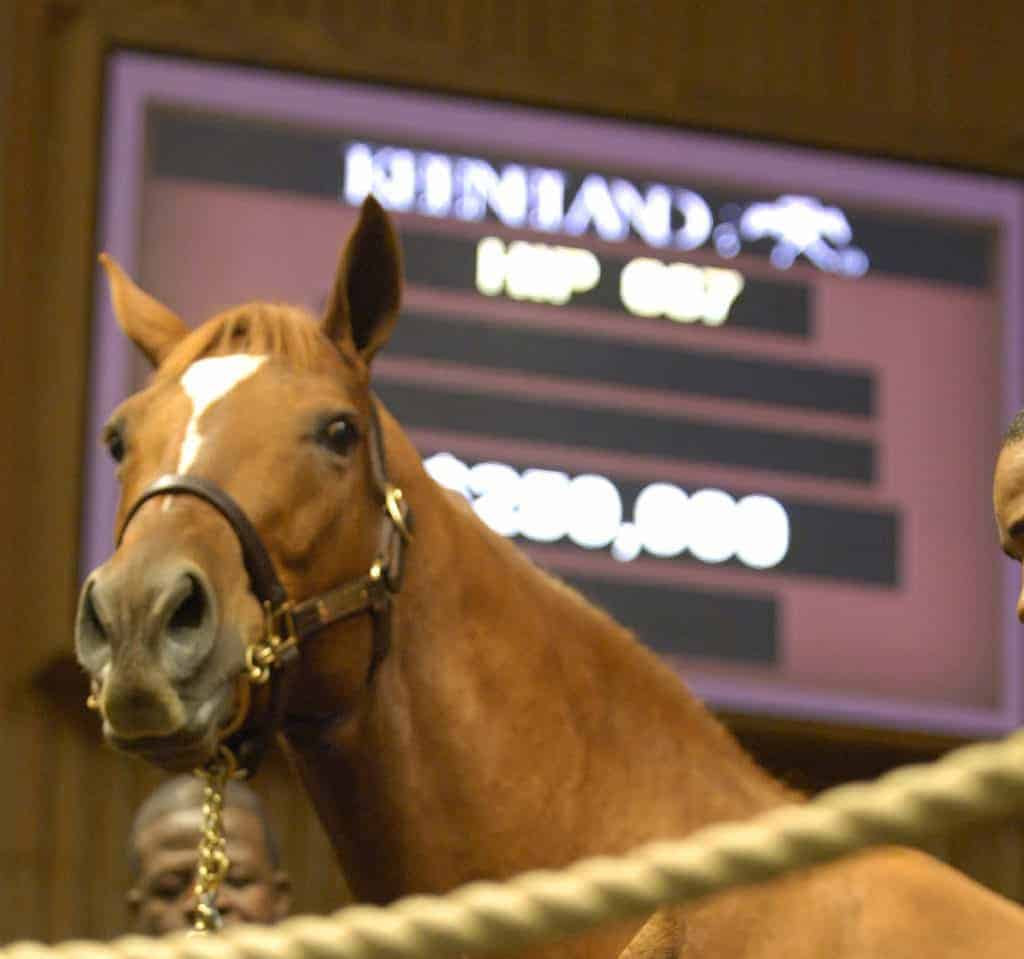
Researchers are learning what genes (when found or not found) could suggest about a Thoroughbred’s potential.
The UKVDL reported an increased number of abortions and abnormal placentas due to nocardioform placentitis.