Grayson-Jockey Club Funds Equine Research in 2015
Study topics include laminitis, foal pneumonia, stem cells, endometritis, joint issues, insulin resistance, and more.

Study topics include laminitis, foal pneumonia, stem cells, endometritis, joint issues, insulin resistance, and more.
The Penn Vet lecture has been rescheduled to Tuesday, March 24, at 6:30 p.m. due to a recent snowstorm.
Researchers are working to identify the genetic cause of juvenile idiopathic epilepsy (JIE) in Arabian horses.

Dr. Martin Nielsen reviews which parasites are dangerous to foals and how to best deworm young horses.

Dr. John Madigan presented the AAEP’s 2014 Milne lecture on discoveries that changed equine and human health.
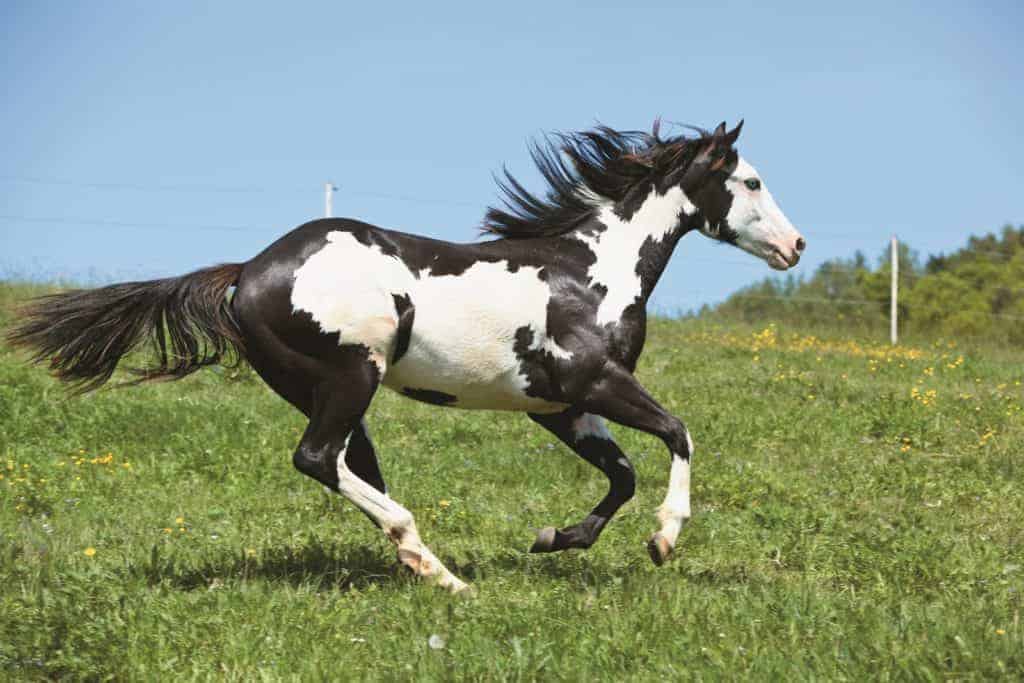
By knowing what conditions certain horses are predisposed to, owners and breeders can take preventive steps.
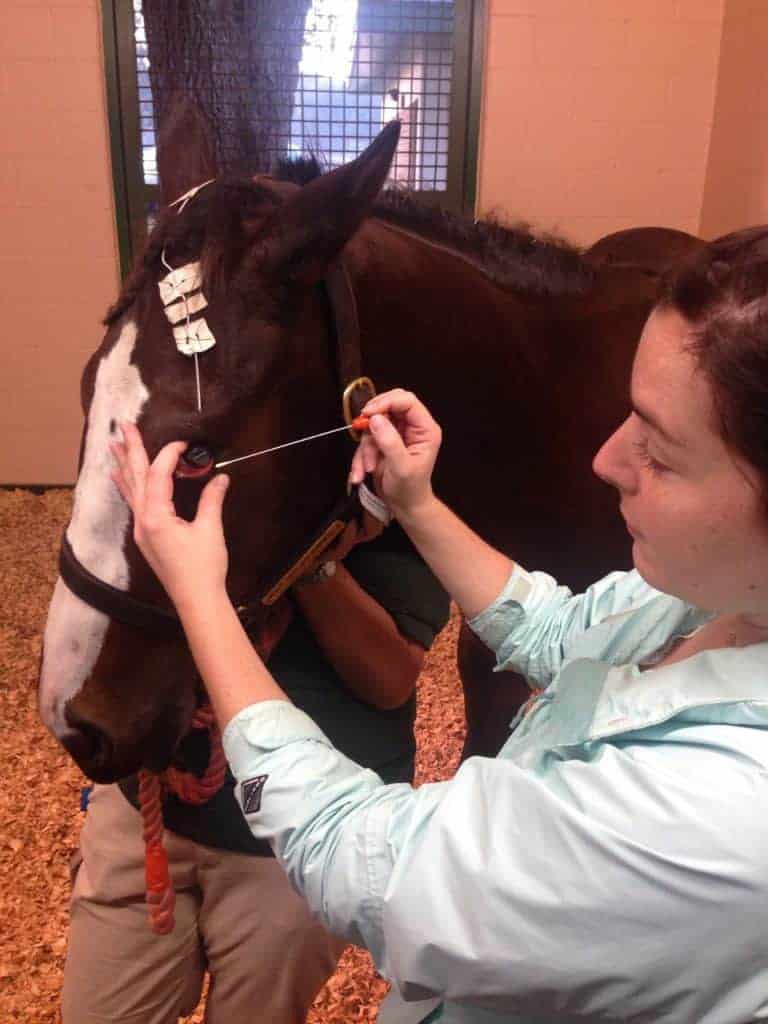
Because ocular problems are prevalent in foals, a veterinarian should examine a neonate’s eyes within 36 hours of birth.
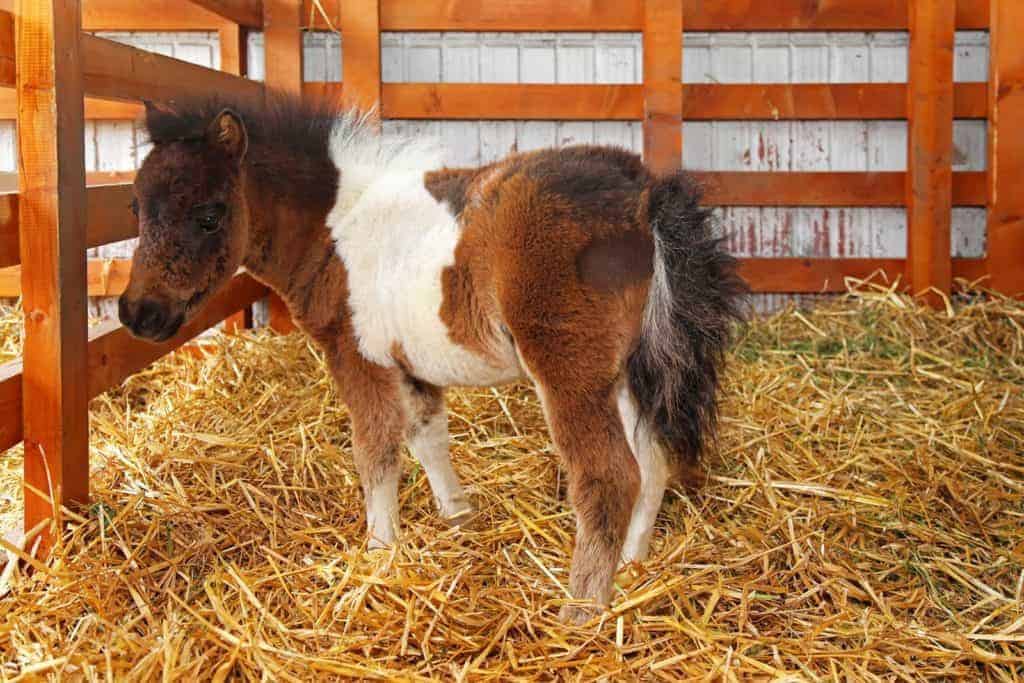
Here’s how to construct an automatic milking device with four parts, some tools, and less than $400.

From physical restraint to pharmaceutical intervention, learn how veterinarians manage this uncommon phenomenon.
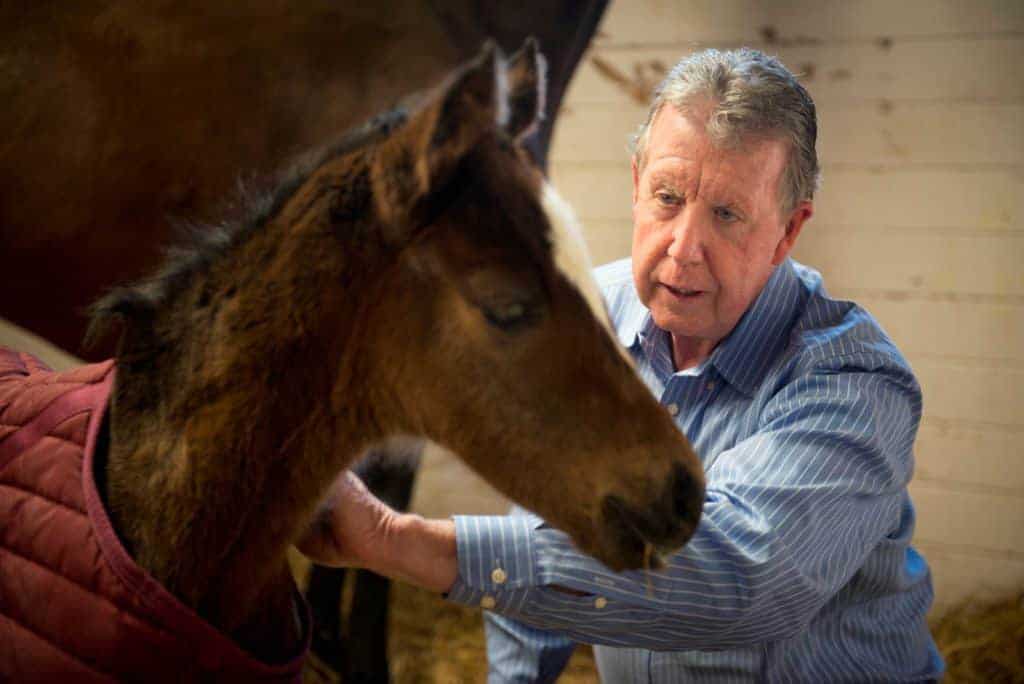
Researchers at UC Davis are exploring a possible link between neonatal maladjustment syndrome and childhood autism.

Your foal’s “official” birthday might be Jan. 1, but consider his actual age when devising a diet, researchers say.
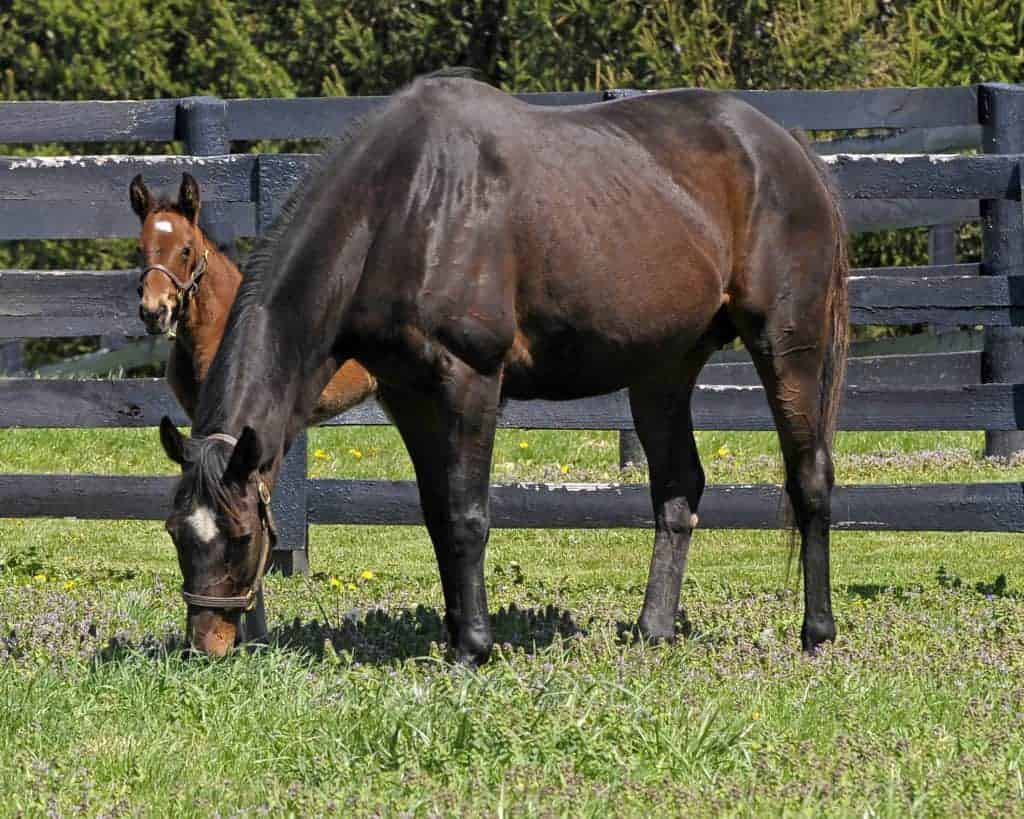
Of the 535 respondents, 401 (75%) said they do not plan to breed a mare in 2015.

Discover the possible reasons a foal or young horse might “gum” at an adult horse.

Learn about what therapy choices to make, when to use them, and how much is necessary during treatment of the critically ill foal.

Testing for and identifying which horses could potentially be affected by genetic conditions is important not only for buyers and breeders but also for the overall health of the breed itself.
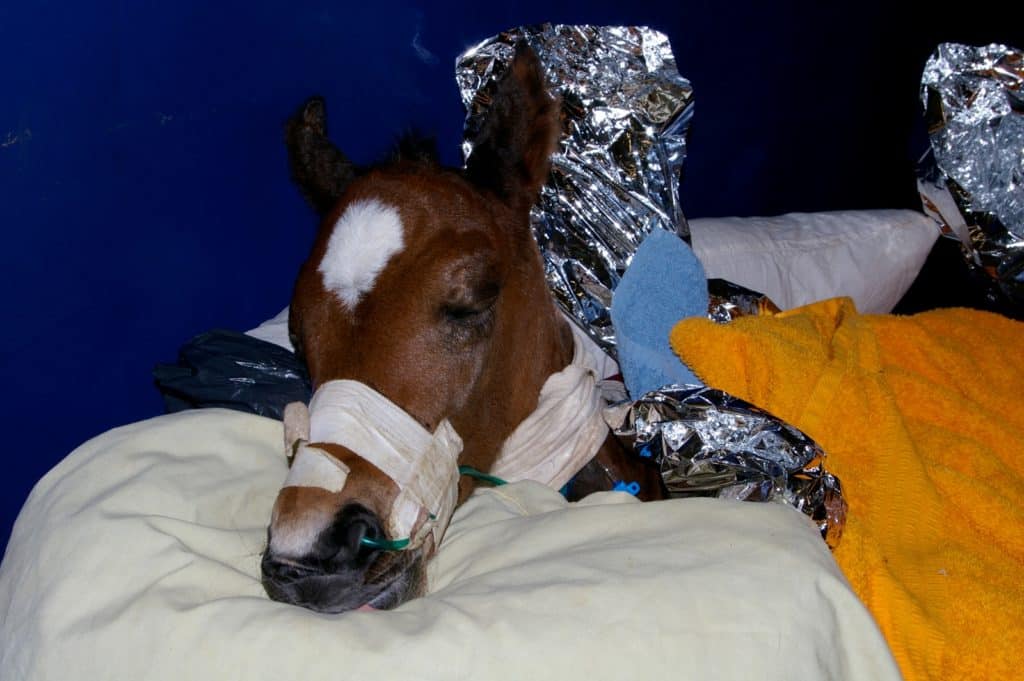
Weak or recumbent foals require early veterinary intervention. Here’s what to watch for.