Epiphysitis in Young Horses
Dr. Erin Denney-Jones describes the details of epiphysitis, or the inflammation of the growth plates, in young horses.

Dr. Erin Denney-Jones describes the details of epiphysitis, or the inflammation of the growth plates, in young horses.

Rhodococcus equi is a serious infectious disease that can cause pneumonia in foals. Learn how to protect your herd of youngsters in this information-packed visual guide.

Birth to 6 months is a time of rapid change for foals. Nutrition, disease prevention, and much more are all vital to foal health. Learn how to help your young one thrive and get your questions answered during our hour-long special event!
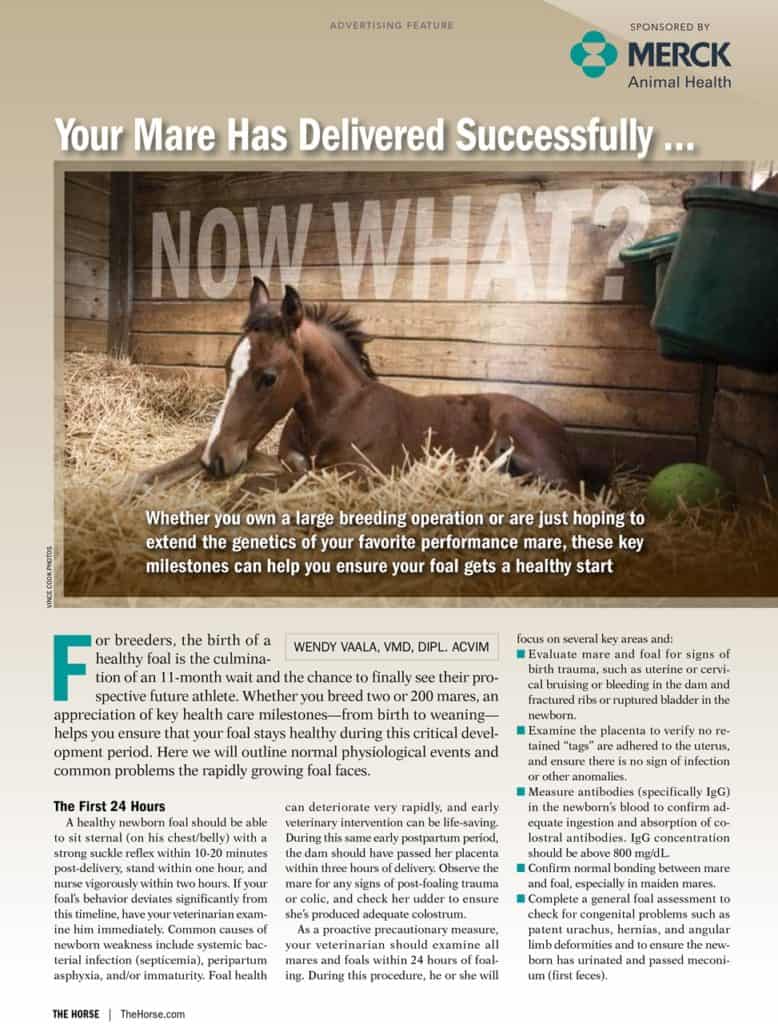
A foal’s first six months of life are full of change. Learn about normal foal development, health risks, and quiz your knowledge in this special report.

Foals are susceptible to developing R. equi infection for at least the first two weeks of life.

The feature offers a look inside a neonatal intensive care unit treatment wing and surgical facilities.
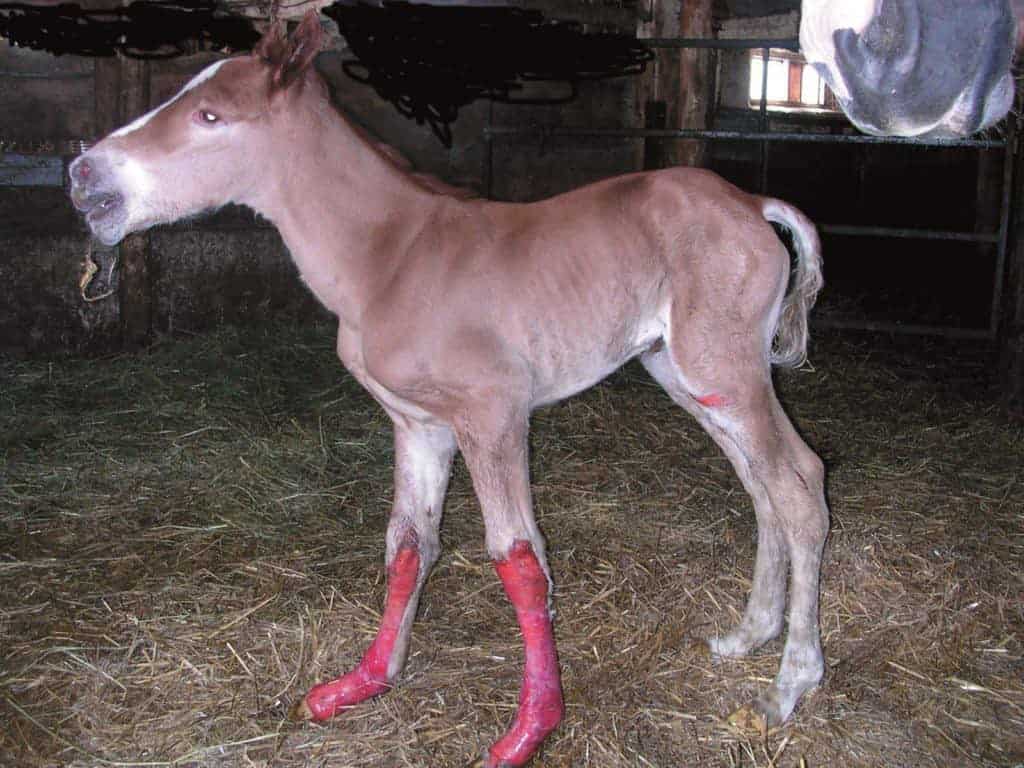
Such testing requirements aim to prevent the birth of JEB foals and reduce the number of carriers.
On Jan. 30, two speakers will discuss inflammatory airway disease.
Researchers are observing an increasing trend of positive cases submitted in 2013 as compared to recent years.
Short course topics include, stallion handling, horse behavior, and mare and foal management.

Study results suggest that in some cases veterinarians can begin vaccinating foals sooner than once thought.

Proper preparation can minimize the stress of weaning and make for a more pleasant experience for all.

Attendees discussed “dummy” foals, gastric acid suppressant use, and resuscitating foals, among other topics.

Traveling with a mare and foal sometimes is a necessary evil, but if one follows a few tips from researchers, veterinarians, and horsemen, most problems can be avoided.

There is no specific formula for estimating foals’ mature size that works in all instances.
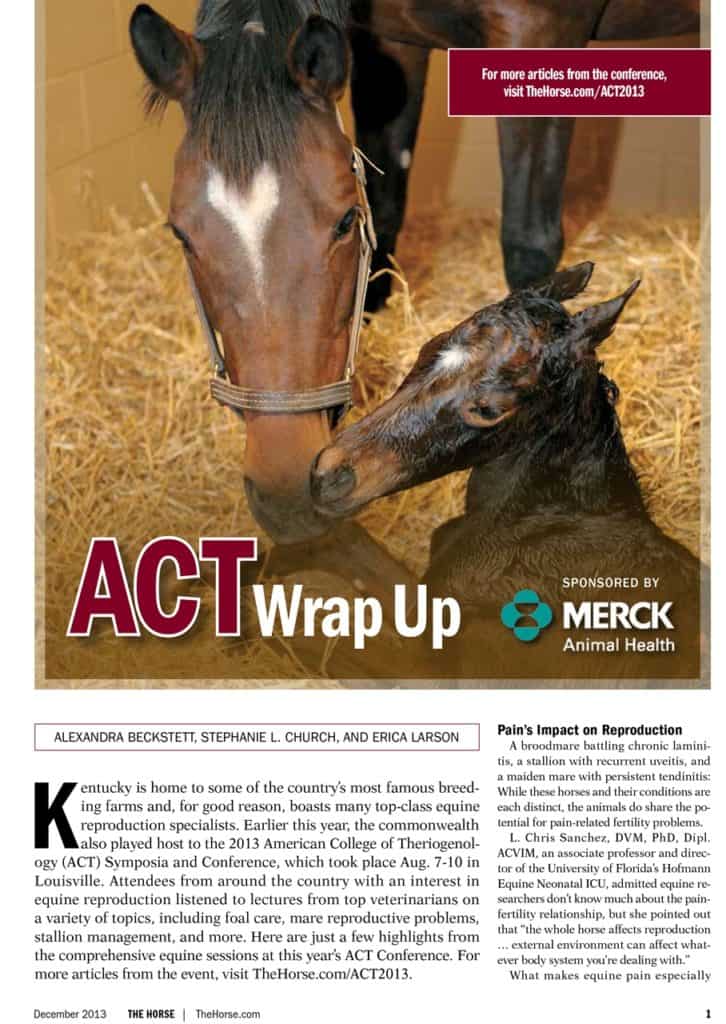
Here are just a few highlights from the comprehensive equine sessions at this year’s ACT Conference.