2014 UK Equine Showcase, Breeders’ Short Course Scheduled
The events will feature lectures on university programs, equine reproduction, and horse management issues.

The events will feature lectures on university programs, equine reproduction, and horse management issues.

Osteochondral lesions on young horses’ X rays might appear worrisome, but surgery isn’t always necessary.

Two veterinarians describe recent equine reproduction studies they found interesting and influential.
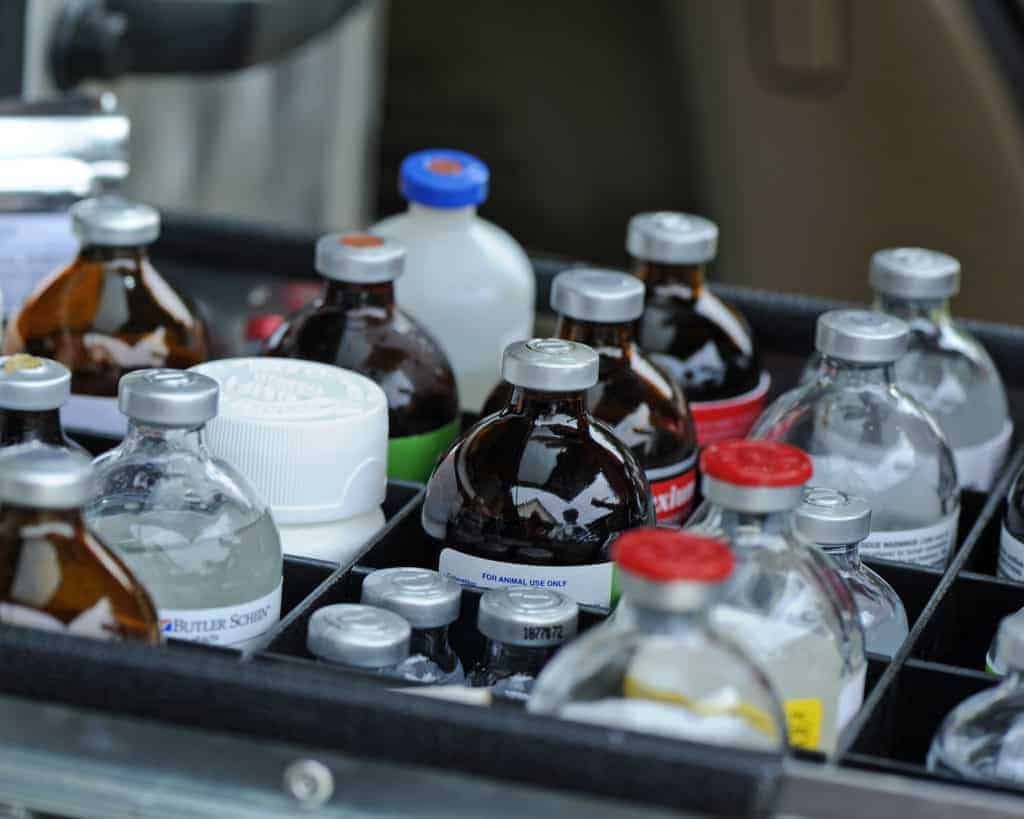
Learn how vets can treat sick foals effectively without adding to the antibiotic-resistant bacteria problem.

Times are changing when it comes to parasite control. Learn how to control parasites in broodmares and foals.
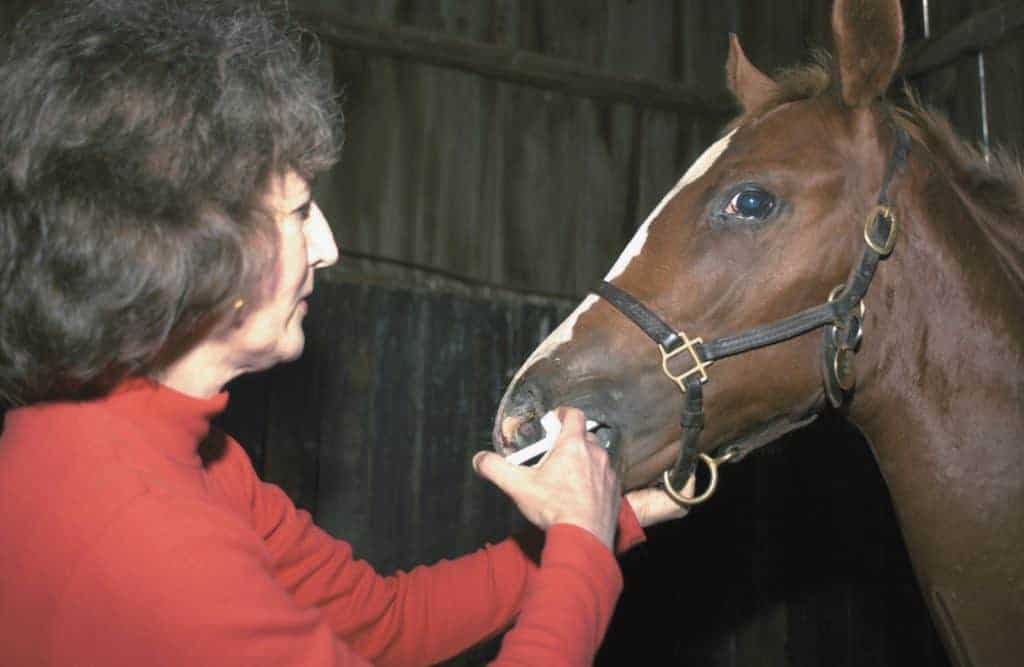
Foals are more susceptible to parasite infection and have an elevated risk for developing disease.
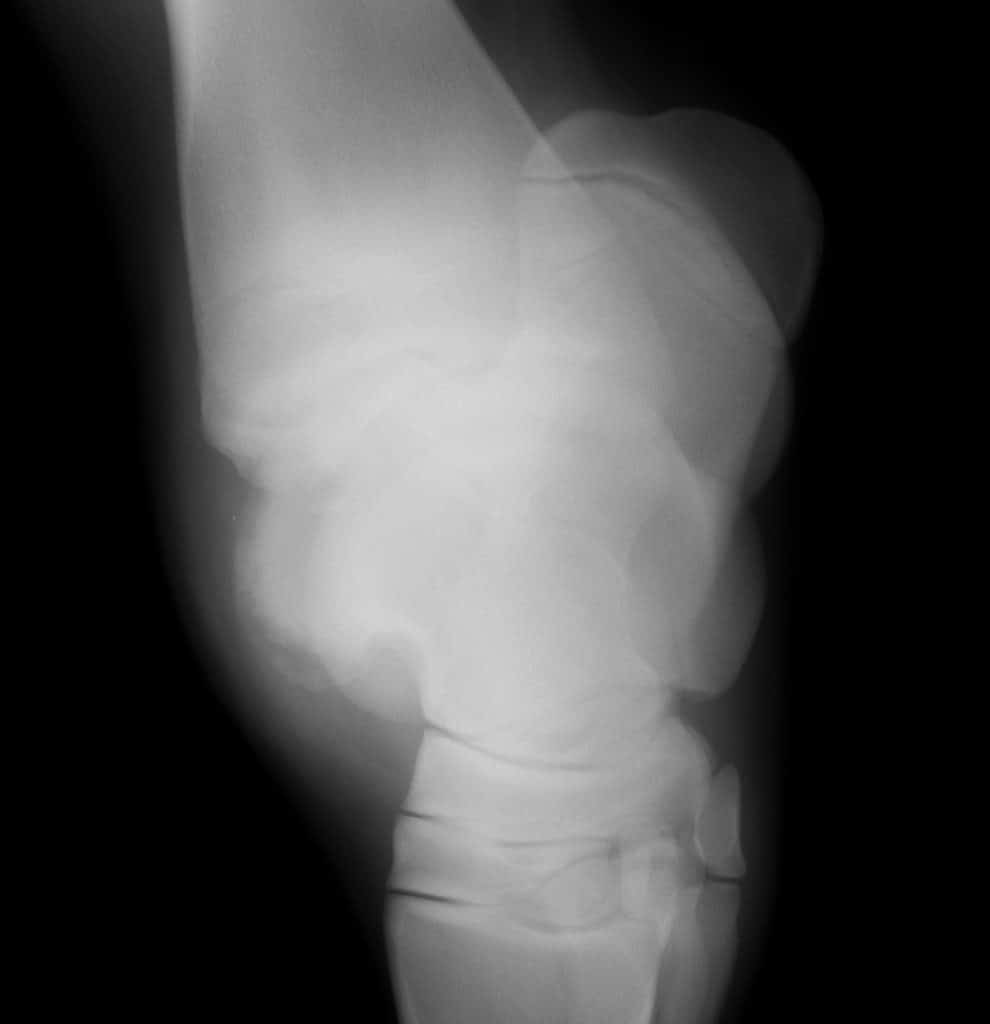
A better understanding of the lesions found in growing horse skeletons has led to clearer terminology.
French researchers tested the new grading scale on 392 young horses screened for osteochondrosis.
Is it possible for young horses that aren’t in training to get stomach ulcers?

Reduced interferon-gamma production is associated with increased risk for intracellular bacterial infections.

More frequent forage feedings for group-housed horses could lead to a balance between feeding and resting.
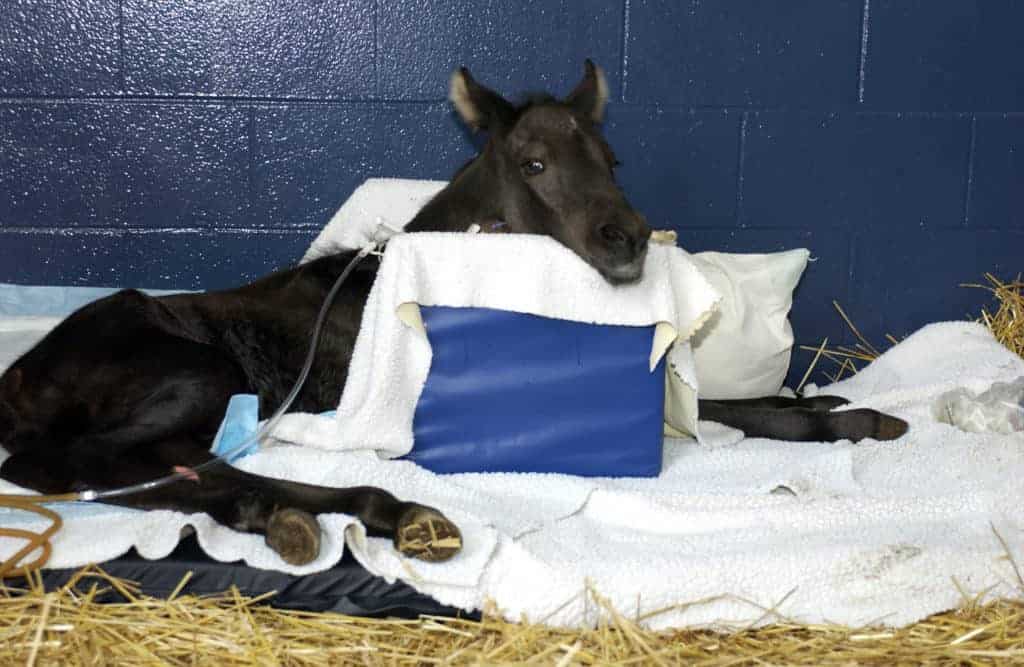
Dr. Chris Sanchez reviews recent top research papers published focusing on foal health.

Research shows that many radiographic findings in weanlings can change–usually for the better–within a year.
The Society for Theriogenology’s Conference starts Aug. 7 and continues through Aug. 10 in Louisville, Ky.

Dr. Wendy Vaala shares important information about proper internal parasite control and deworming for suckling and weanling foals. She especially emphasizes the importance of treating roundworm infection.

Low serum zinc levels were associated with an impaired immune function in yearlings and 2-year-olds.