Effects of High Glycemic Meals on Young Horses’ Growth
High and low glycemic meals have different effects on growth hormone secretion in young horses.

High and low glycemic meals have different effects on growth hormone secretion in young horses.

One researcher suggests some steps that could minimize disease risk without impeding horses? travel.
The accurate diagnosis of equine neurologic disease is important for several reasons.

This equine herpesvirus outbreak serves as an excellent reminder of the importance of good biosecurity practices.
UC Davis is seeking donations of young, healthy mares for its teaching herd to serve as embryo recipients.

The number and severity of lesions present could impact a horse’s future racing performance.
Officials have lifted the restrictions placed on one barn at the Campbellville Training Centre in Ontario.
Presentations topics ranged from the physiological details of reproduction and foaling to diets and nutrition.
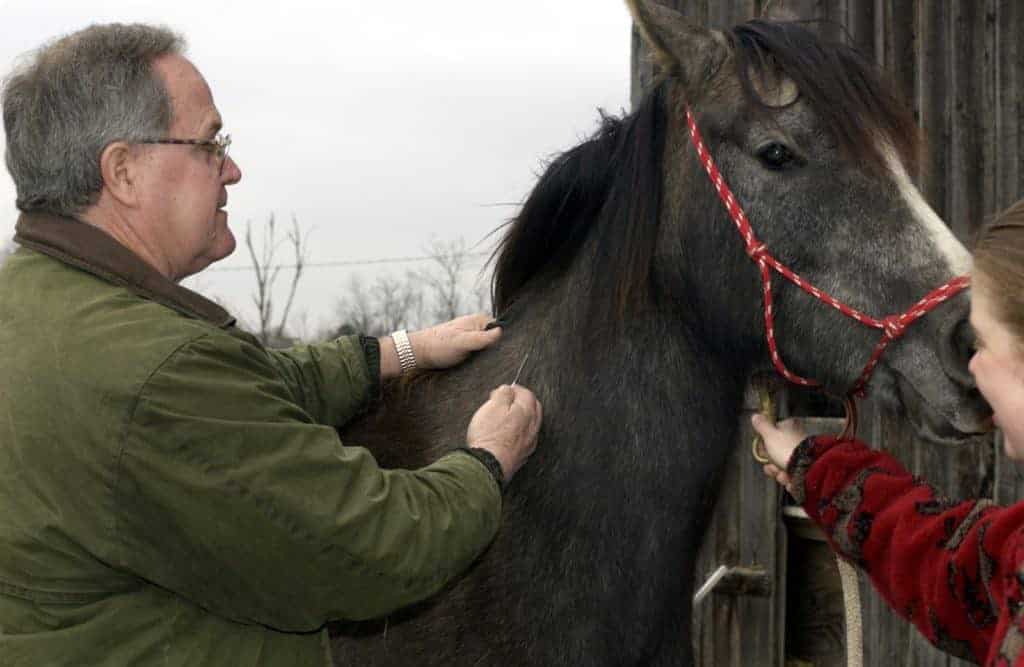
Brad LeaMaster, DVM, PhD, advised owners to protect their horses against WNV and EHV-1 this spring.

Current feeding recommendations might be overestimating fecal inevitable phosphorus losses in growing horses.
Officials implemented equine import restrictions after CEM was confirmed in a horse in Puerto Rico.

Drs. Nathan Slovis and Peter Morresey present unique medical and surgical cases involving foals, including heart murmurs, ivermectin overdose, sepsis, foals post dystocia, hernias, fractured ribs, kidney problems, and more.
Subsequent to the nocardioform placentitis surge in 2011, research in this field has progressed.

Long-term study results show that under certain conditions, stallions can successfully be pastured together.

A behaviorist describes mare and foal behavior and how to avoid perpetuating undesirable orphan foal behavior.
Two Standardbred horses have tested positive for equine herpesvirus-1 (EHV-1).