Biomarkers for Equine Athletes
How can biomarkers be used to help improve performance and reduce injury risk in horses?

How can biomarkers be used to help improve performance and reduce injury risk in horses?

Lara Tomich, DVM, Dipl. ACVD, says reducing pine in the affected horse’s immediate environment is key to preventing allergies.
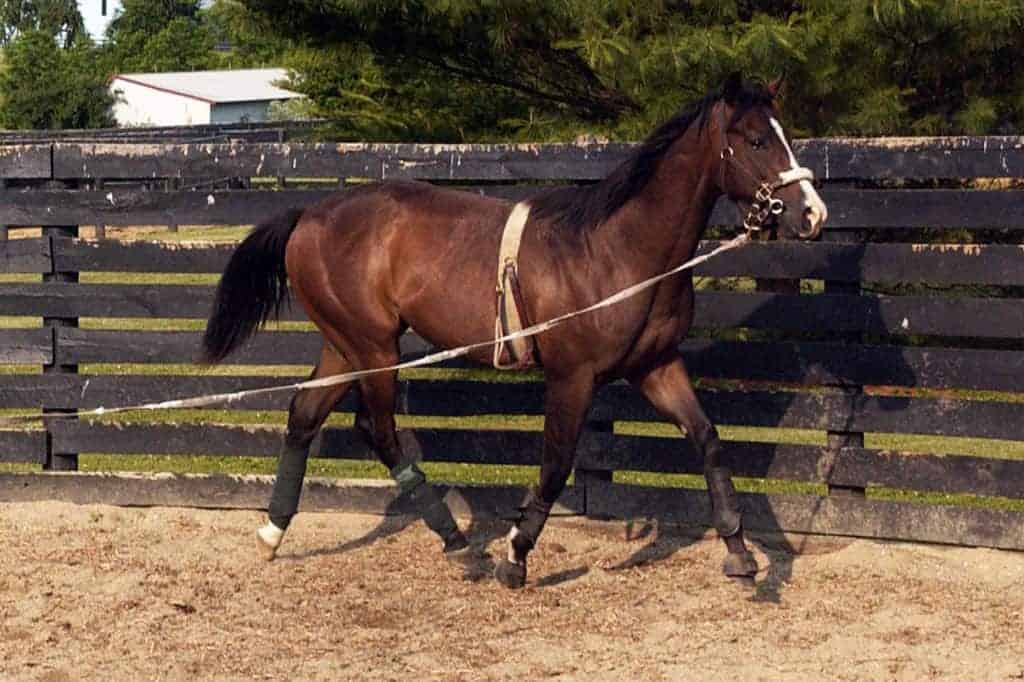
Young horses in work have different nutritional needs than their adult counterparts.

An overactive immune system, environmental factors, genetics, and exposure all contribute to equine allergies.

Giving medications to pregnant mares is never without risk and should always be discussed with your veterinarian.

Eliminate the feces of R.-equi-infected foals on the farm, which reduces the bacteria the earthworms consume.
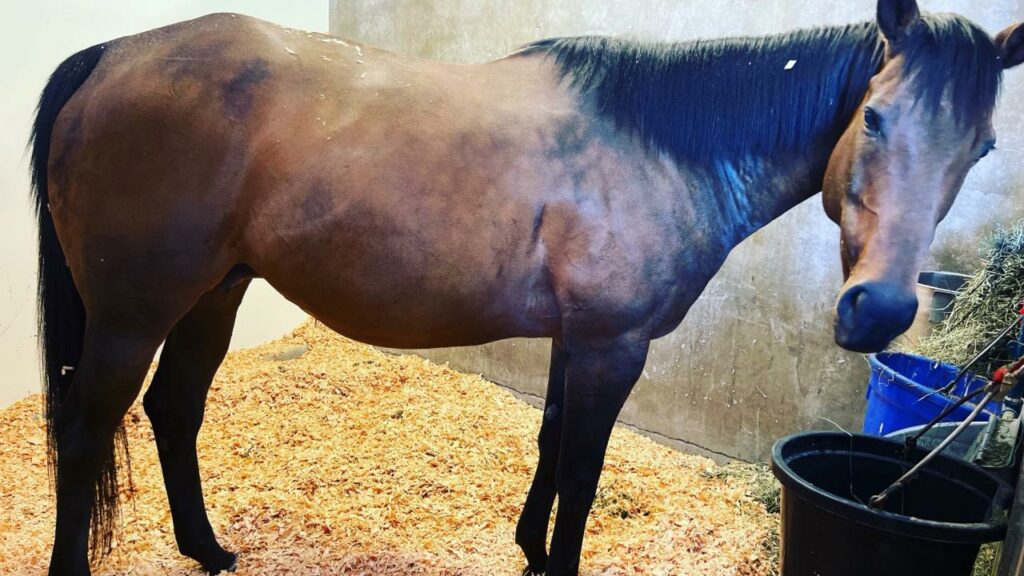
Lillipad, a reportedly barren mare brought into UC Davis for alarming health concerns, shocked caretakers with her pregnancy.

Learn about preventive methods and surgical options for treating an umbilical infection.

The American Association of Equine Practitioners has published new nocardioform placentitis guidelines to help veterinarians help protect their clients’ broodmares and unborn foals.

Friesian breeders can test for the variant to implement early veterinary management and avoid breeding carriers.

Rescue volunteers along with the staff at Bend Equine Medical Center spring to action to save an abandoned Mustang foal in Oregon.

Techniques that allow researchers to understand the underlying mechanisms of disease include genetic analyses, RNA sequencing, and advanced proteomics and lipidomics.

Signs and tests that can help you and your veterinarian quickly identify the various causes of foal diarrhea.

The FEI veterinary committee proposed 13 ways to improve biosecurity at equestrian events.

Disease control focuses on prevention through increased biosecurity protocols.

Accelerating the foaling process can go well in certain cases, provided vets carefully follow a protocol confirming mare and fetus are ready.