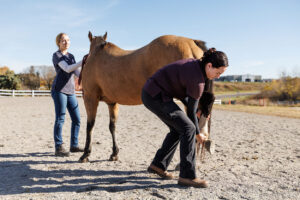
How Long Does it Take for Vaccines to Work?
Find out how long it takes for a horse to be protected from disease after vaccination. Dr. Elizabeth Davis explains.

Find out how long it takes for a horse to be protected from disease after vaccination. Dr. Elizabeth Davis explains.

Sterilizing stallions temporarily can help with feral population control, equine venereal disease management, behavior issues, and more.

Researchers know the modern domestic horse is the result of thousands of years of selective breeding. But they’re still striving to understand how and when equine breeding programs got started and evolved.

A well-trained and skilled technician can make a reproduction veterinarian’s job much easier and more enjoyable, especially during breeding season.

While some species develop a local immune response, sending special protective cells to the uterus itself, mares don’t, researchers learned recently. Rather, they appear to send those cells elsewhere as soon as semen enters the uterus. Where they go, nobody knows (yet).

A well-educated, trained, and reliable technician is invaluable to ensure things are in order and running smoothly. It makes a veterinarian’s day and the semen collection process much easier.

The equine genomics research community has outlined how to face the challenges associated with translating Horse Genome Project outcomes into clinical practice to benefit horses.
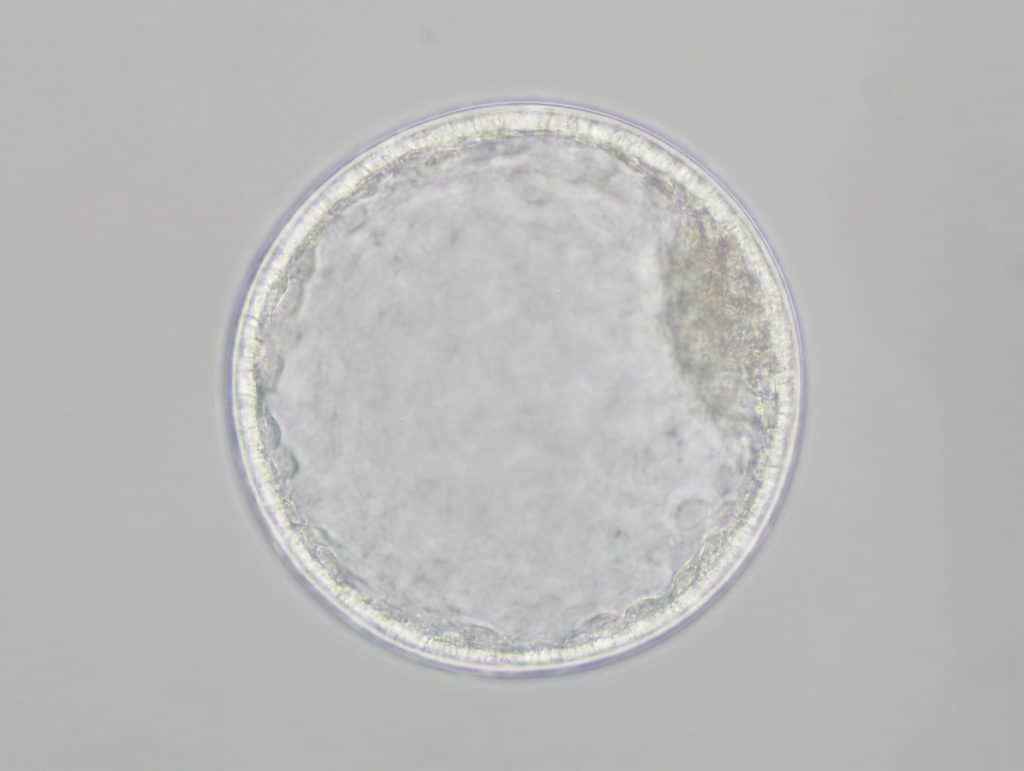
Researchers identified a 90% pregnancy rate in mares impregnated using the Wilsher embryo transfer technique and a 70% pregnancy rate in mares treated using traditional embryo transfer protocols.

Learn about the core vaccines recommended by the American Association of Equine Practitioners and the five deadly diseases they prevent.

Confirmed diseases include equine influenza, equine herpesvirus, piroplasmosis, salmonellosis, rabies, and more.

RESPE—the French epidemiological network for equine diseases—works main missions is to monitor equine diseases in France and throughout Europe and to alert the horse industry when a contagious equine disease outbreak is confirmed.

Researchers know that feeding horses ground endophyte-infected tall fescue results in palmar artery vasoconstriction, so scientists tested whether broodmares could experience decreased blood flow to the uterus, which could negatively impact their foals.

An old adage says a good horse doesn’t come in a bad color. But recent study results might rewrite that saying. Researchers have uncovered a possible link between coat color and harness racing performance.
While dietary CLA didn’t appear to reduce inflammation in yearlings’ knees following induction, synovial fluid analysis showed signs of reduced cartilage degradation and improved cartilage regeneration compared to controls.

Researchers found that their technique for removing ostoechondral fragments from the hock was efficient and had few postoperative complications.
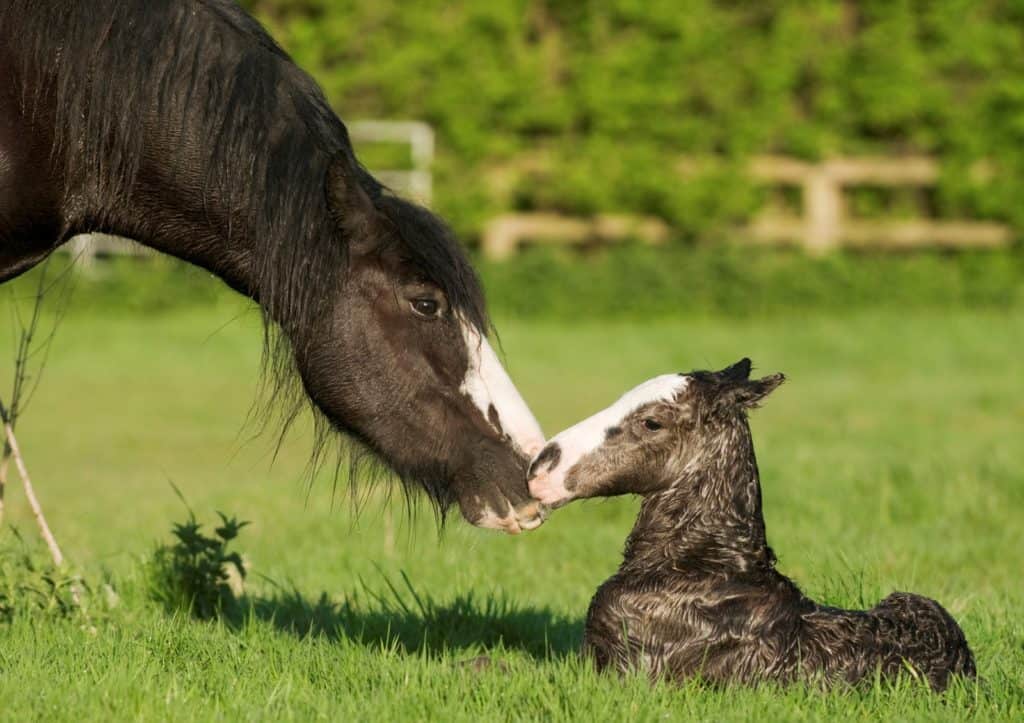
Why would a mare prefer to foal in a field versus in a foaling stall or in the barn?