International Equine Disease Report, Third Quarter
Diseases reported include African horse sickness, influenza, EHV, EIA, rabies, and more.

Diseases reported include African horse sickness, influenza, EHV, EIA, rabies, and more.

Four horses from the Oldham County facility have tested positive for neurologic EHV-1 so far.

Watch for these conditions that impact nutrient absorption and lead to weight loss in horses.

Meanwhile, movement restrictions on horses that have recently been at the track are being implemented.
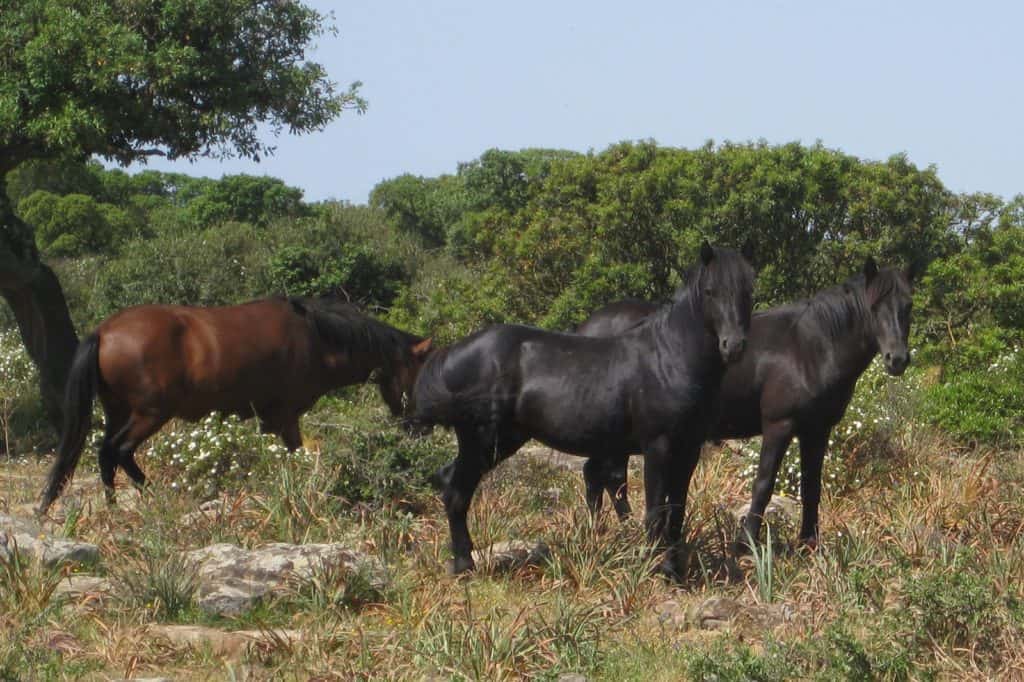
Italian horses are product of diversity coming from across Europe, Asia, and northern Africa, researchers found.

Four horses have now tested positive for EHV at the New Orleans, Louisiana, racetrack.
The facility was released from quarantine following repeated negative EHV-1 testing on resident equids.

This potentially fatal infectious disease continues to challenge the horse industry, but our experiences are teaching us how to prevent its spread.

Mares had higher pregnancy rates per cycle as sperm numbers and number of inseminations per cycle increased.
Dr. Nathan Slovis shares information about the causes and diagnosis of diarrhea in foals and adult horses.

Gene variations in individual horses can result in an unexpected color for a certain breed or mating.
A 2-year-old Thoroughbred gelding stabled at the Louisiana track was euthanized after developing neurologic signs.
View videos on vision, fear, the hoof, assessing the foal after birth, EIPH, trimming old horses’ hooves, and more.

Foal size (and, indirectly, sex) appear to contribute to dystocia, especially among mares in New Zealand.

Scientists tested whether estradiol-17B, progesterone, alpha fetoprotein, and/or serum amyloid A could predict abortion.
Lecture topics will include vaccinations, disease surveillance, foal nutrition, R. equi, biosecurity, and more.