Rushing a Mare During Breeding
What might be causing a stallion to mount a particular mare early, and what can be done about it?

What might be causing a stallion to mount a particular mare early, and what can be done about it?

Rhodococcus equi is a serious infectious disease that can cause pneumonia in foals. Learn how to protect your herd of youngsters in this information-packed visual guide.

Birth to 6 months is a time of rapid change for foals. Nutrition, disease prevention, and much more are all vital to foal health. Learn how to help your young one thrive and get your questions answered during our hour-long special event!

Researchers believe that estrogens could prove to be a useful early indicator of placentitis in the future.

Dr. Teri Lear of the University of Kentucky presents chromosome abnormalities and inherited diseases in horses.

Study results suggest there’s biologic evidence that a horse’s personality is based on his genes.

As EHV gains worldwide significance, researchers are seeking a better understanding of the disease.
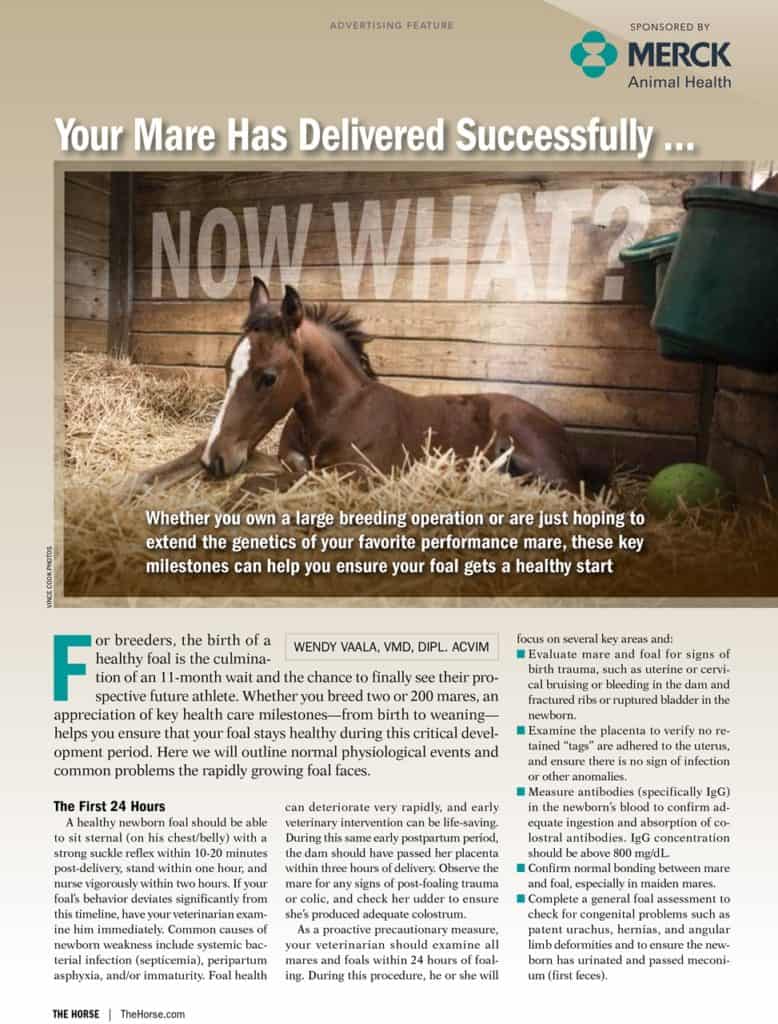
A foal’s first six months of life are full of change. Learn about normal foal development, health risks, and quiz your knowledge in this special report.

Recent work demonstrates that endophyte-infected fescue can cause vasoconstriction in the legs and reduced blood flow to reproductive organs in mares.
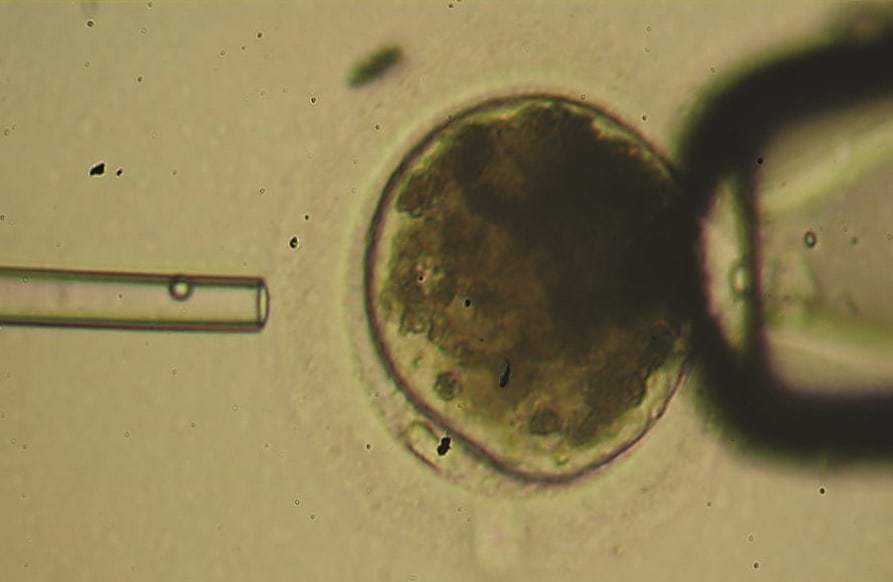
Researchers evaluated the effect of shipping mares’ oocytes (egg cells) on eventual fertilization rate.

Two barns at Parx Racing have been quarantined after a horse tested positive for equine herpesvirus-1 (EHV-1).

Foals are susceptible to developing R. equi infection for at least the first two weeks of life.

Thirteen horses on the property had been affected by neurologic EHV-1. Of those, seven have been euthanized.

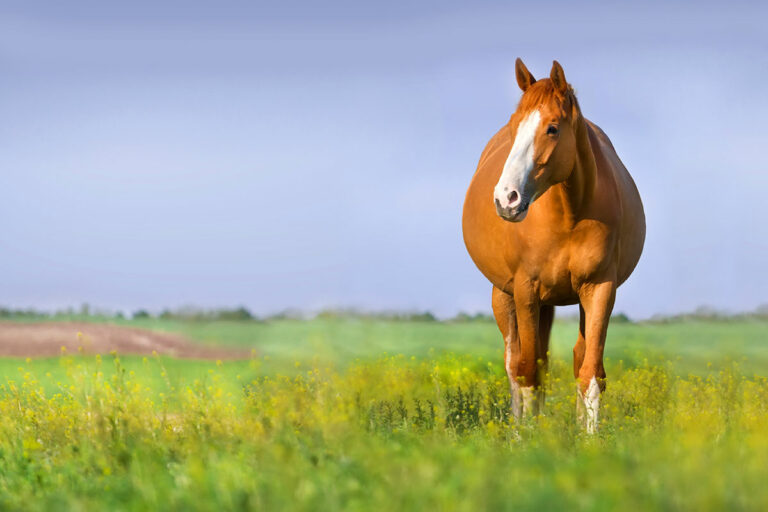
A broodmare’s belly grows as her fetus matures, but any rapid or unexpected expansion is cause for concern.

The feature offers a look inside a neonatal intensive care unit treatment wing and surgical facilities.
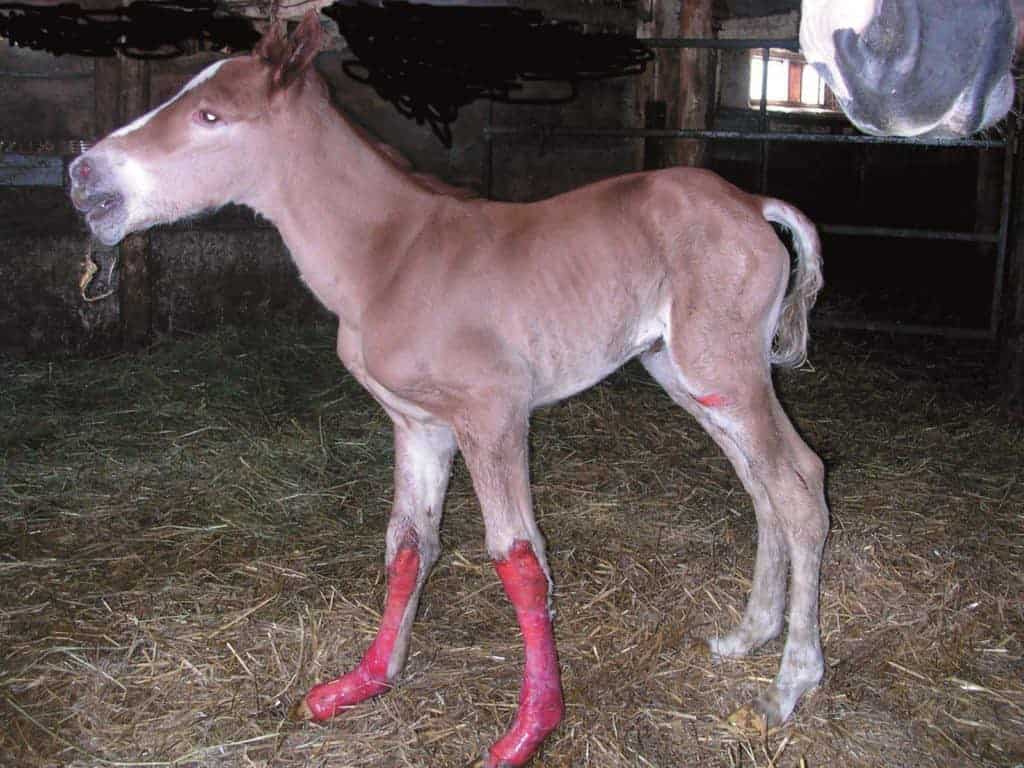
Such testing requirements aim to prevent the birth of JEB foals and reduce the number of carriers.