Cerclage to Manage Cervical Incompetence in Pregnant Mares
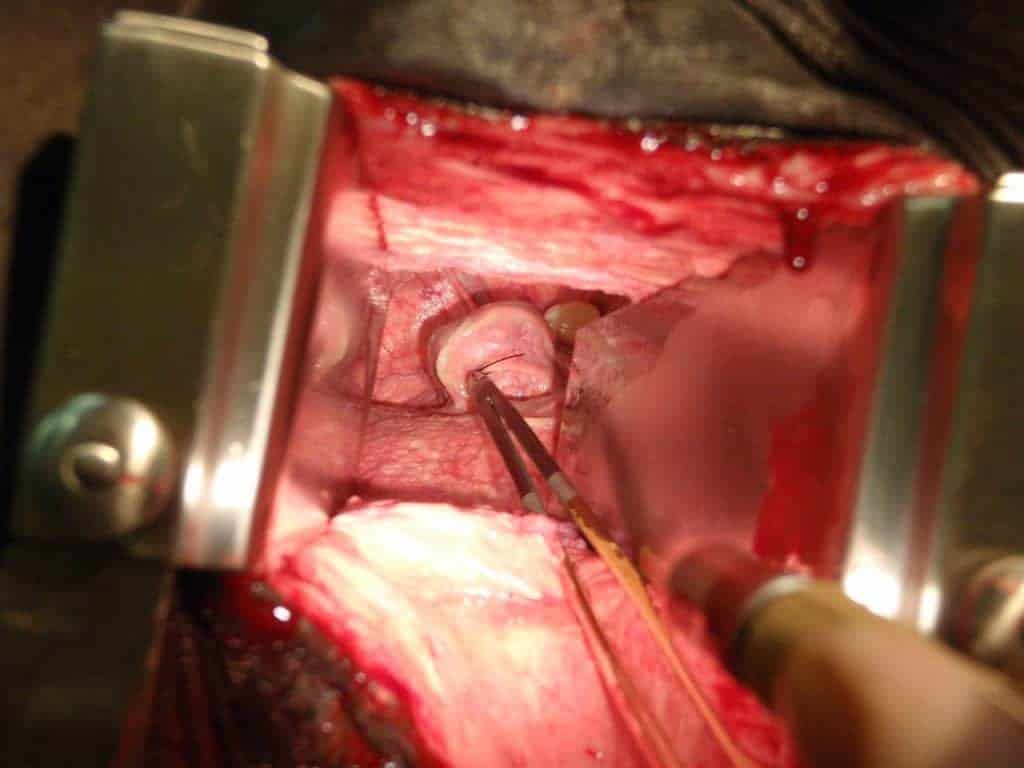
Researchers took a page from human medicine to treat cervical incompetence in mares.

Researchers took a page from human medicine to treat cervical incompetence in mares.
Research by Drs. Barry Ball and Mats Troedsson was described during the 2013 Kester News Hour.

Dr. Pat McCue describes the reproduction studies from the past year he deemed most important and useful.
Our coming 2-year-old acts like he is ready to breed. How young is too young to breed a colt?

Several horses have tested positive for neurologic EHV-1, according to the state veterinarian’s office.

Study results suggest that in some cases veterinarians can begin vaccinating foals sooner than once thought.

Proper preparation can minimize the stress of weaning and make for a more pleasant experience for all.

One EHV-1 vaccine could have some protective properties against the neurologic form of the virus.

The NEHP is designed to aid in equine disease surveillance and to make biosecurity recommendations.
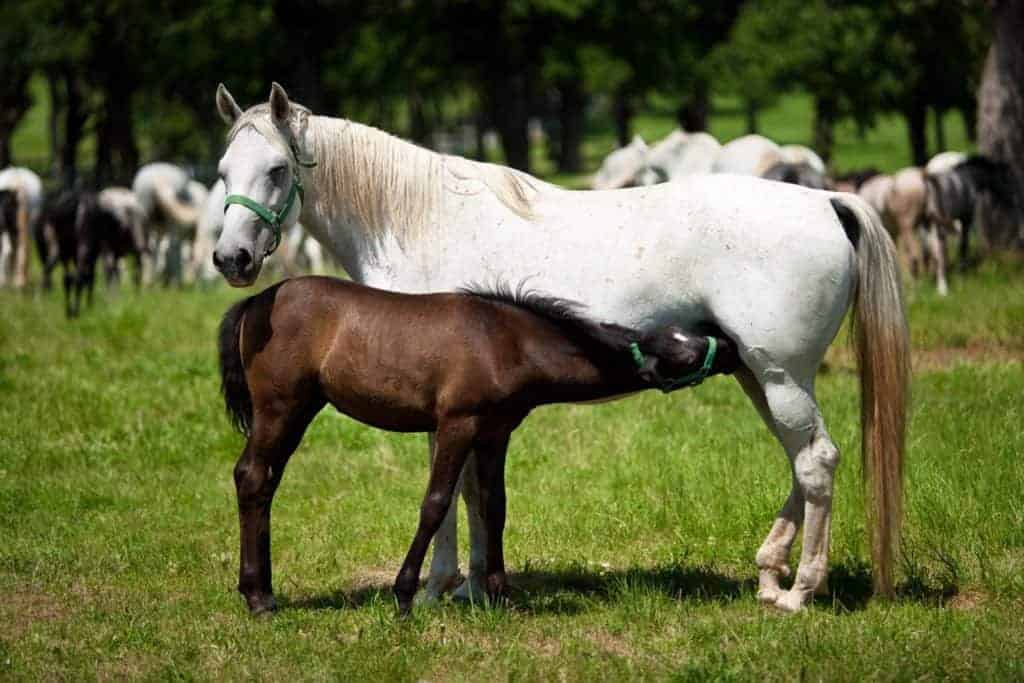
Broodmares require proper nutrition while lactating to aid in milk production and body condition maintenance.

Attendees discussed “dummy” foals, gastric acid suppressant use, and resuscitating foals, among other topics.
Here are some general feeding guidelines to keep in mind when managing pregnant mares.

Traveling with a mare and foal sometimes is a necessary evil, but if one follows a few tips from researchers, veterinarians, and horsemen, most problems can be avoided.

There is no specific formula for estimating foals’ mature size that works in all instances.
Reef will explain why ultrasound is critical to assessing foal viability during a high-risk pregnancy.

Many owners seek to eliminate estrus behavior when there is a negative effect on the mare’s performance.