New Zealand Reports First Neurologic EHV-1 Case
Officials confirmed the country’s first case of neurologic equine herpesvirus-1 (EHV-1) on a single stud farm.

Officials confirmed the country’s first case of neurologic equine herpesvirus-1 (EHV-1) on a single stud farm.
On Jan. 30, two speakers will discuss inflammatory airway disease.
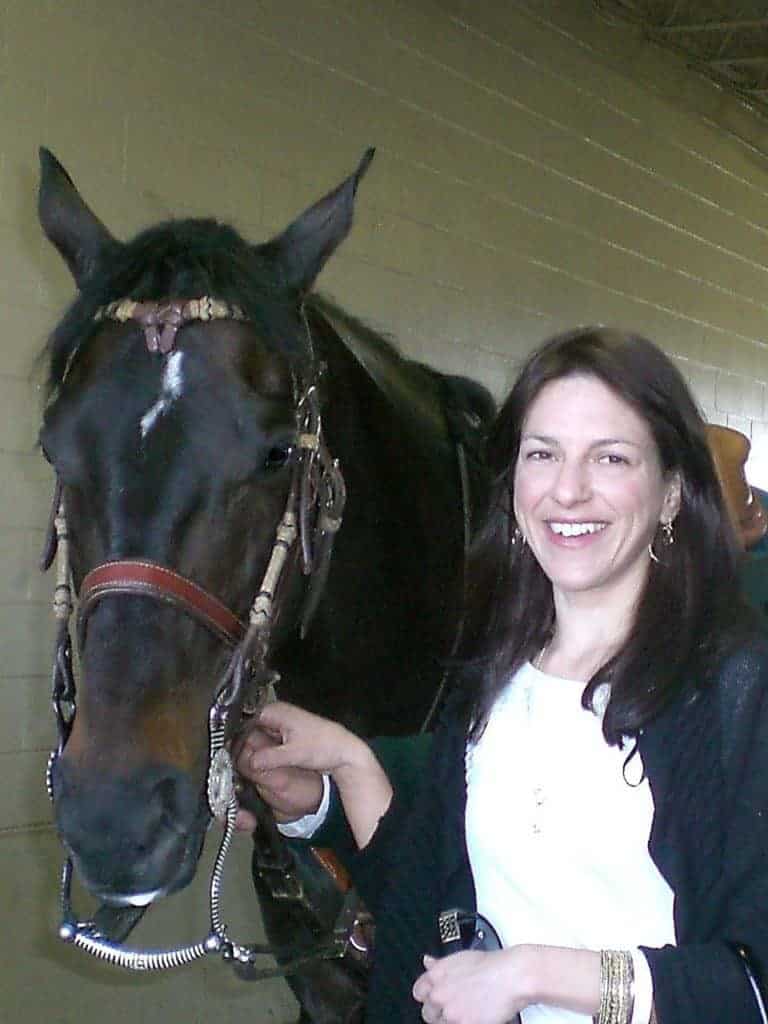
De Negri’s research focused on infections in horses caused by S. equi and S. zooepidemicus.
Several groups support the AQHA in its bid to overturn a court decision regarding cloned horse registrations.
Researchers are observing an increasing trend of positive cases submitted in 2013 as compared to recent years.
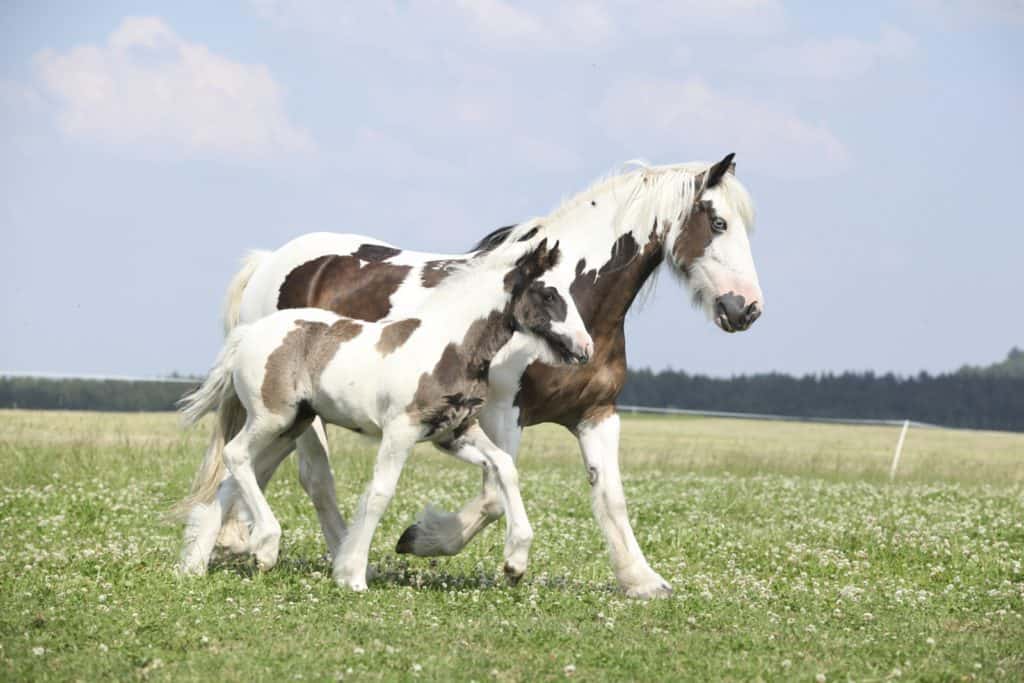
There are a number of factors that must be weighed in making the decision on whether to breed a mare.
A barn was quarantined due to a suspected EHV case, but quickly released when the horse tested negative.
Short course topics include, stallion handling, horse behavior, and mare and foal management.
The suspect horse is in stable condition and has shown gradual neurologic status improvement.

Researchers believe more than one biomarker is needed for accurate and early placentitis detection.
The quarantine of two barns began in early November 2013 when a horse tested positive for EHV-1.

A horse at the Fair Hill Training Center in Elkton, Md., is in quarantine with a suspected case of EHV-1.

Dr. Nicola Pusterla shares what horse owners need to know about EHV, its clinical signs, and treatment and prevention methods.

The benefits of using frozen semen when breeding a mare are numerous.
The AQHA has filed the latest installment in a long-running court case relative to cloned horse registration.

Hemospermia–blood in the semen–is detrimental to fertility, stallion welfare, and industry economics.