Study: Add Chopped Forage to Feed to Prolong Horses’ Meals
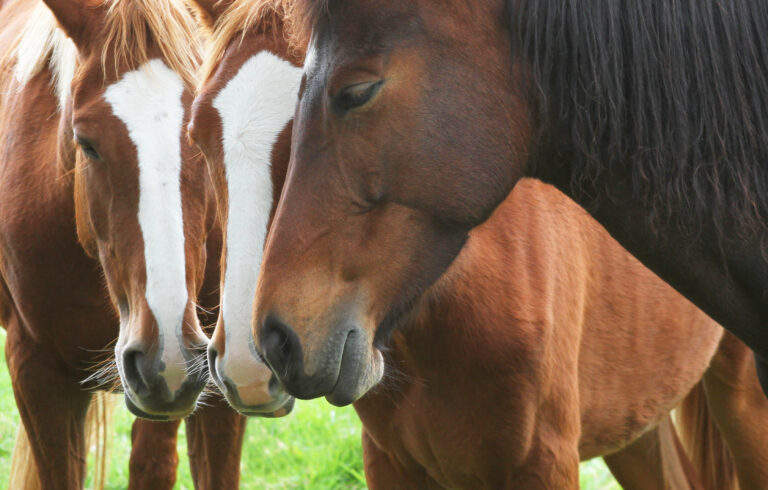
Blending at least 15% chaff with a horse’s feed can increase consumption times and reduce health risks such as colic and choke.

Blending at least 15% chaff with a horse’s feed can increase consumption times and reduce health risks such as colic and choke.

Here’s a list of questions all horse owners should answer before their horses colic.

Non-steroidal anti-inflammatory drugs serve an important role in managing equine pain and inflammation, but sometimes they can do more harm than good.

Is your horse approaching his retirement years? Learn how to keep your horse happy and healthy after his athletic career.

Physiological stress can be an important equine welfare issue. Here’s what you should know.

While any colic episode can be frightening, being prepared in advance can help you navigate such issues with your veterinarian’s assistance.

Here’s what you need to know about how to make a change in your horse’s hay or forage safely and effectively.

A veterinarian dispels 4 common rumors that often sway an owner’s decision to pursue surgery for a colicking horse.

Penn Vet researchers found older horses with small intestinal lesions that survive colic surgery are just as likely as younger horses to develop postoperative reflux or to survive to hospital discharge.

Veterinarians discussing the Havemeyer Workshop while at the AAEP convention covered fluid therapy, NSAID use, and more.

While it can be unsettling to think about all the possible scenarios, planning before colic happens could save your horse’s life.
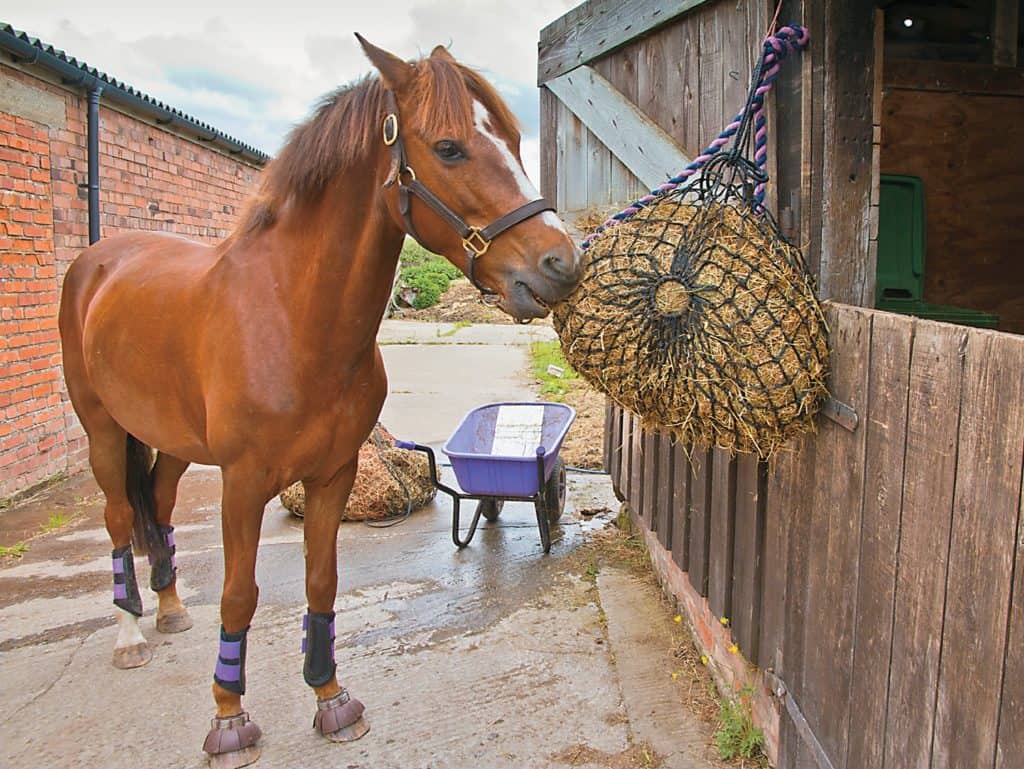
Horses with conditions such as muscle or metabolic disease might have special hay needs to stay healthy.
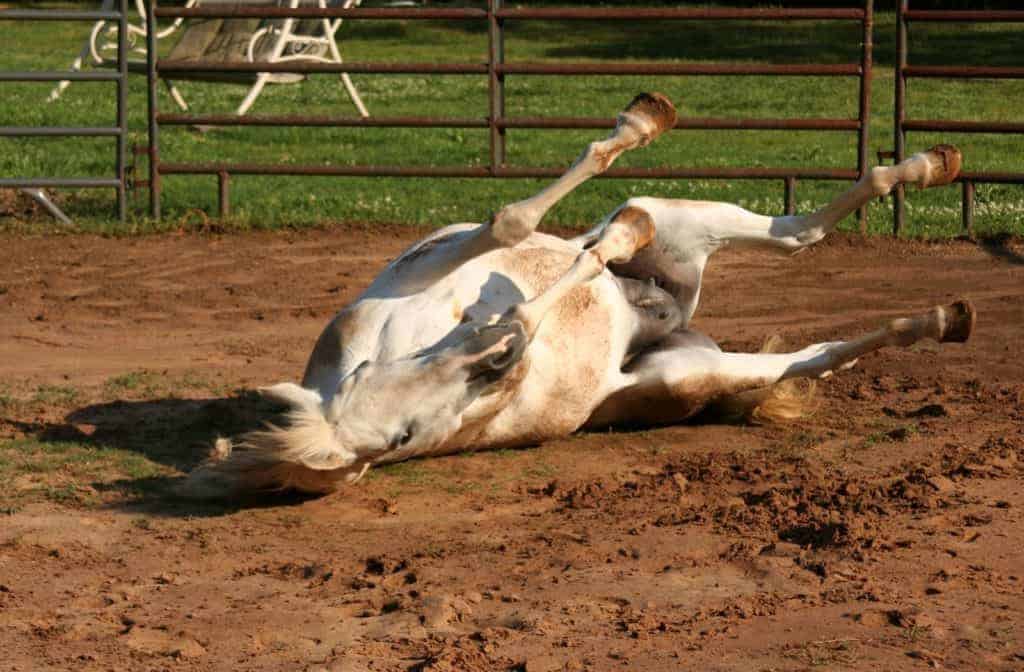
Dr. Bryan Waldridge, who treats retired champion racehorses at Old Friends, shares specifics about the types of colic that are more common as horses age.

An equine critical care specialist shares advice for dealing with a colic while waiting for your vet.

Find out how to keep your middle-aged horse’s teeth, feet, joints, and more healthy.
A new study looks at age as a predisposing factor for post-operative nasogastric reflux and mortality.