Retirement Planning: Optimizing Your Horse’s Post-Career Care
Is your horse approaching his retirement years? Learn how to keep your horse happy and healthy after his athletic career.

Is your horse approaching his retirement years? Learn how to keep your horse happy and healthy after his athletic career.

Physiological stress can be an important equine welfare issue. Here’s what you should know.
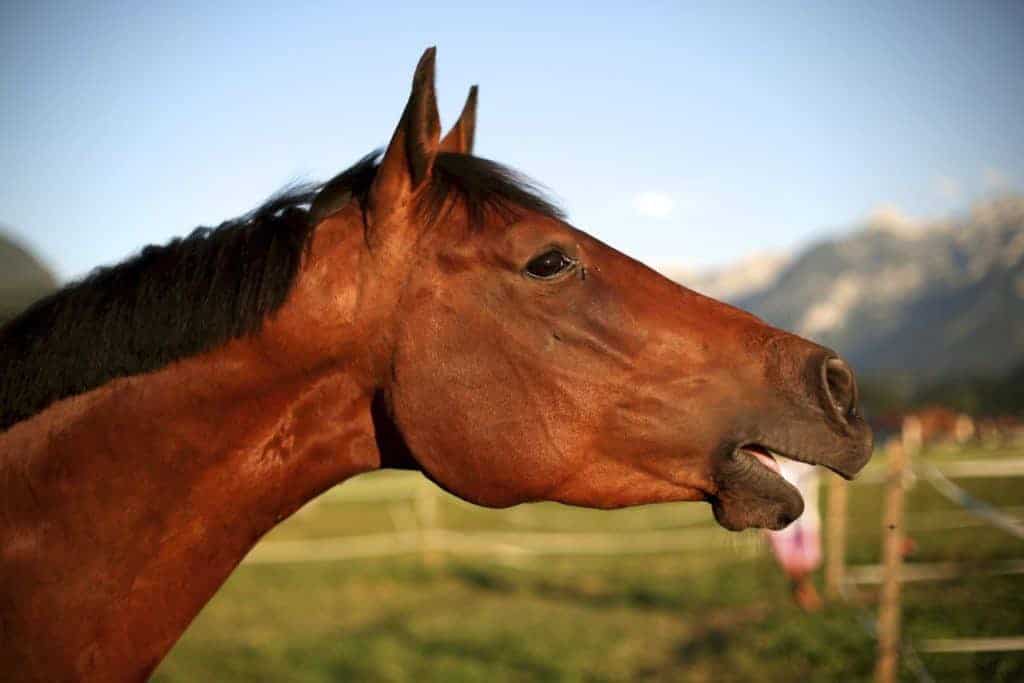
You’ll find exclusive content focusing on how stress affects horses’ health and behavior all month long on TheHorse.com.

If ECoV tests are positive and a horse is showing classic clinical signs of the disease, including colitis, fever, and lethargy, vets can safely assume he has equine coronavirus disease without further testing.

Learn about equine gastric ulcer syndrome signs, diagnostic methods, and prevention and treatment strategies in this visual guide.

While any colic episode can be frightening, being prepared in advance can help you navigate such issues with your veterinarian’s assistance.

Gastric ulcers occur commonly yet present a number of treatment challenges requiring pharmaceutical intervention and intensive lifestyle modifications. Sponsored by Vitalize.

While omeprazole use is unlikely to cause bone issues in horses consuming correct rations, researchers said it’s important to respect professional recommendations for both omeprazole treatment duration and commercial feeding instructions.

Here’s what you need to know about how to make a change in your horse’s hay or forage safely and effectively.

A veterinarian dispels 4 common rumors that often sway an owner’s decision to pursue surgery for a colicking horse.

Penn Vet researchers found older horses with small intestinal lesions that survive colic surgery are just as likely as younger horses to develop postoperative reflux or to survive to hospital discharge.

Do older horses that eat senior feeds have a higher risk of choke?
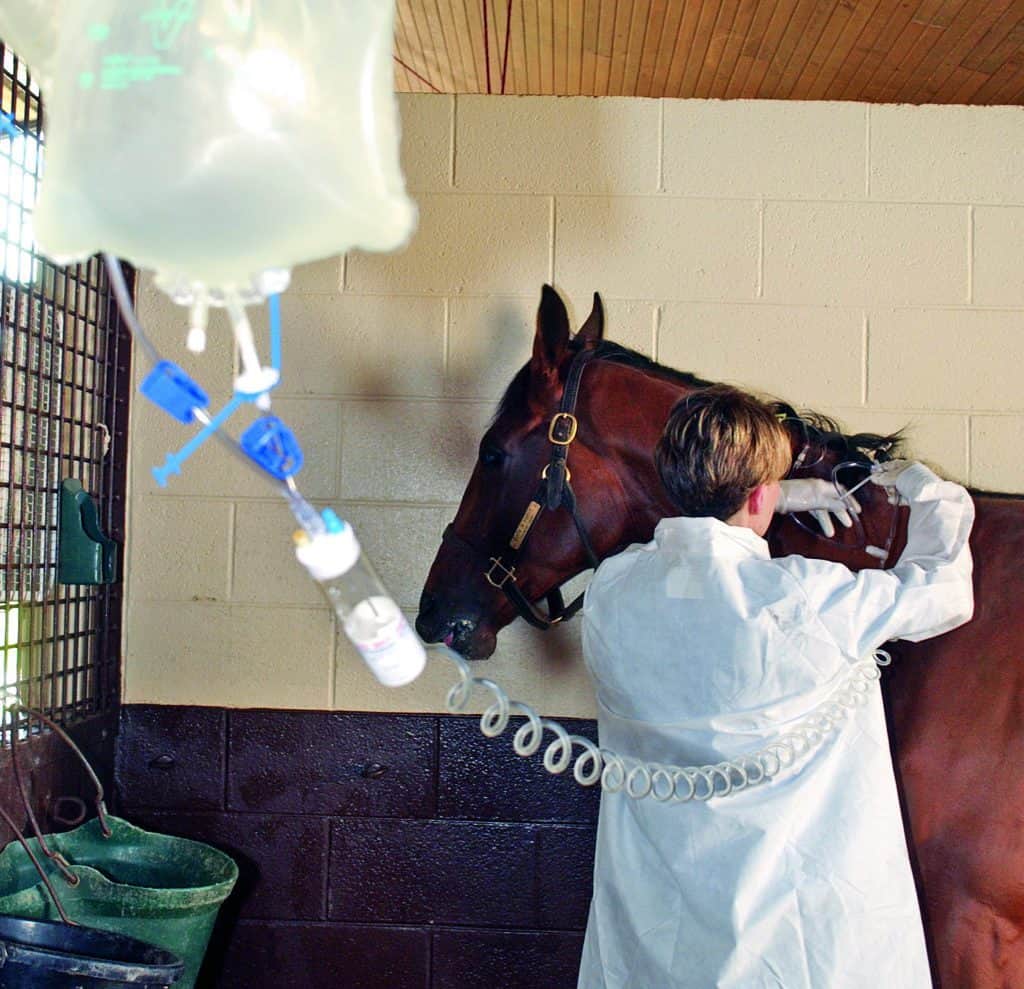
A Texas A&M-led study sought to describe “normal” equine microbiomes and compare those results to horses with colitis related to both antibiotic administration and Salmonella infection.

From available treatments to feeding strategies, attendees and moderators discussed approaches for managing squamous and glandular gastric disease.

Veterinarians discussing the Havemeyer Workshop while at the AAEP convention covered fluid therapy, NSAID use, and more.

Study: Equine parvovirus-hepatitis, a virus causing fatal liver disease that spreads via vaccines and plasma, has a high prevalence in Germany and probably other European countries.