Why Does My Horse Play With His Tongue?
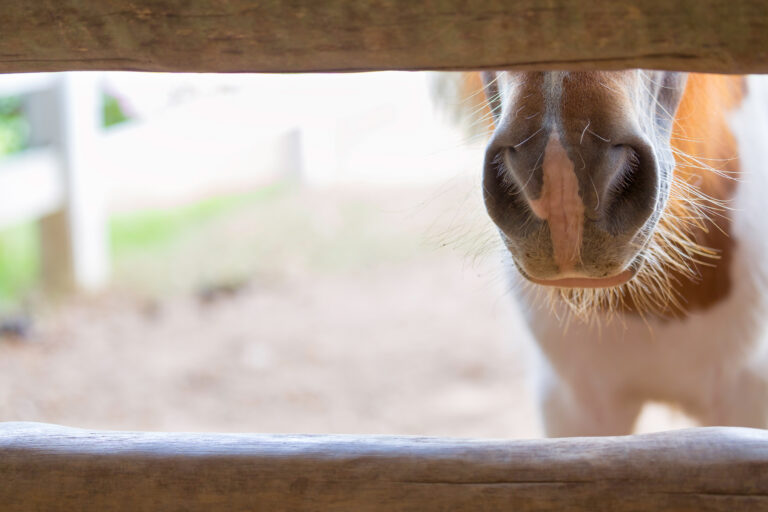
What could be the cause behind this young horse’s strange tongue lollying at feeding time? Dr. Sue McDonnell answers.

What could be the cause behind this young horse’s strange tongue lollying at feeding time? Dr. Sue McDonnell answers.

Are your feeding practices doing more harm than good? Experts share four ways to improve your horse’s digestive health.

Set your new horse up for success by following these tips to transition his diet and avoid gastric ulcers.

An SAA test can identify illness in horses, and it can also ensure they’re healthy enough for other procedures, such as surgery. Here’s a look into how some vets use SAA in their practices.

Researchers found providing handfuls of forage to horses within hours after colic surgery improved gut healing.

A U.S. Equestrian Team veterinarian who has overseen the shipping of horses to six Olympic Games shares what steps to take before, during, and after a long-distance trailer ride.

Read about research into increasing the time horses spend eating (a good thing) without feeding them too much (a bad thing), along with more take-homes from the 2019 Equine Science Society Symposium.

Surgeon Dr. Anthony Blikslager shares his perspective on preventing horse colic.

Researchers recently found that, despite what can be an arduous first year of transition, healthwise, owners are overwhelmingly very satisfied with their horses and most said they’d buy an OTTB again.

Journalist Pat Raia has written about horse health and welfare issues for years, but she learned it’s a whole different ballgame when your own horse is the patient. Here’s what she experienced when her horse colicked recently.

Reported diseases included African horse sickness, atypical myopathy, contagious equine metritis, salmonellosis, and more.

When riding your horse in the woods or the wilderness, things can go wrong–and usually when least expected. Here are some possible predicaments you might face while out on the trail.

Orphan foals raised with a correct balance of nutrients and monitored for growth, food consumption, and weight gain can be every bit as tall, strong, and athletic as foals raised by their dams.

Health conditions, management changes, and palate preferences can affect a horse’s appetite.

Rotavirus is a leading cause of diarrhea in foals up to six months of age at breeding farms worldwide.

Your old horse’s rations might not need to change just because he’s got a few more gray hairs around his eyes. Still, owners should consider some key points when feeding their seniors.
Stay on top of the most recent Horse Health news with
"*" indicates required fields